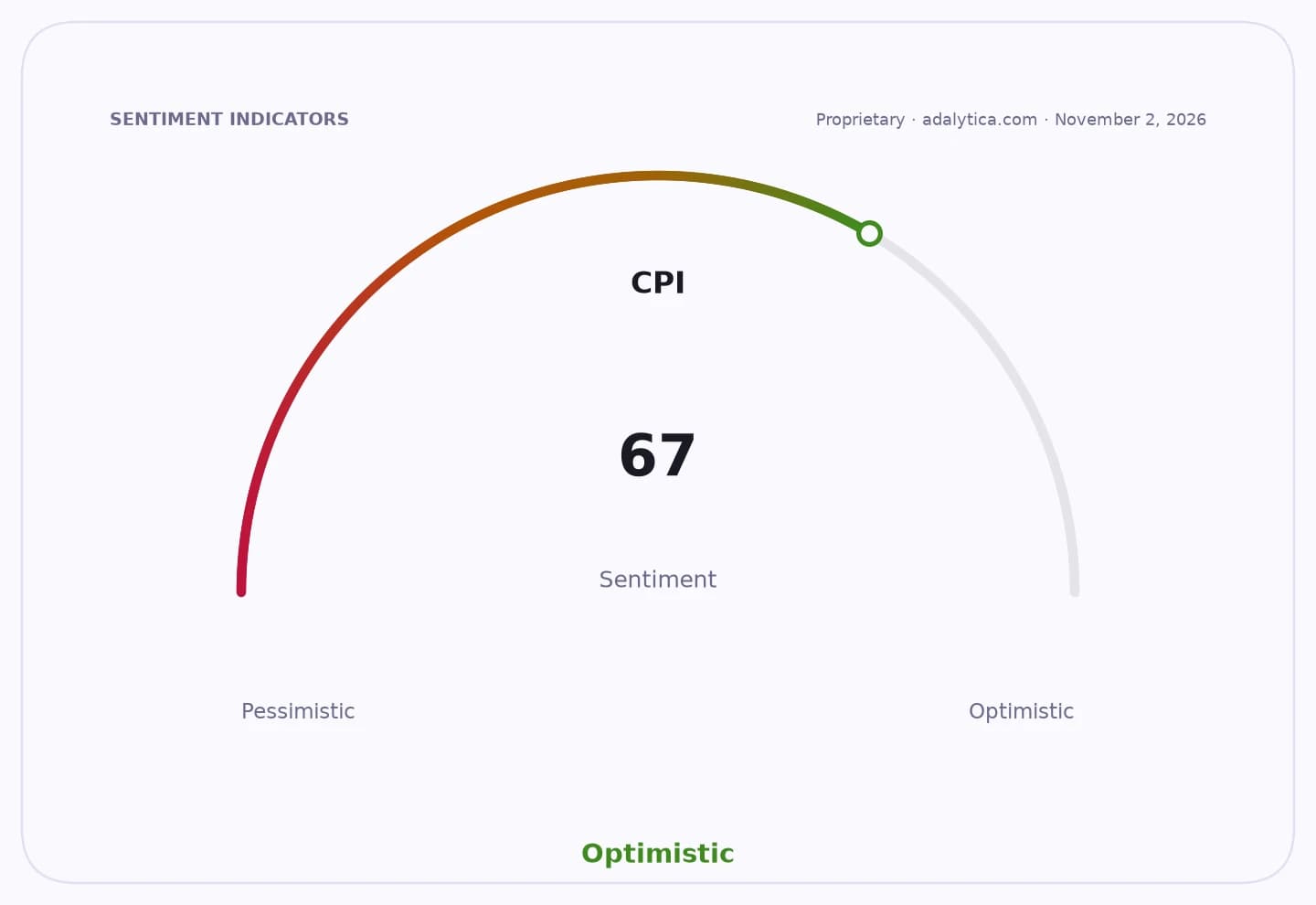
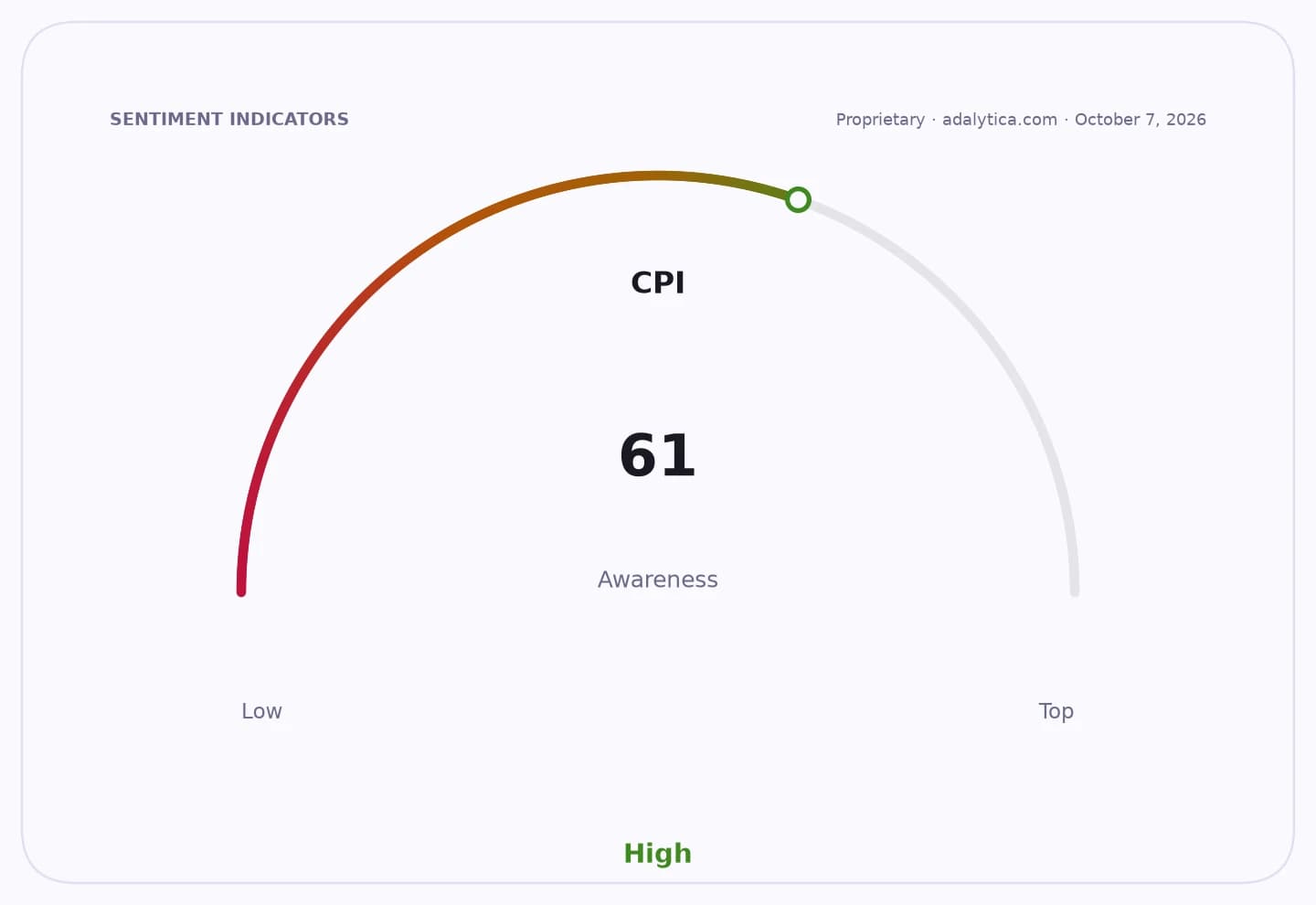
Honduras is moving to reopen its interbank foreign exchange market, a shift that could reduce country risk and improve dollar access, but also risks adding fuel to inflation if the lempira weakens too fast.
Honduras Reopens Interbank FX Market
For investors, the significance is straightforward: a more liquid and transparent FX system can help stabilize trade flows, support reserves management and improve confidence in Honduras as an import-dependent economy. But the same reform can push up prices at the margin if it encourages speculation, hoarding or a sharper depreciation of the currency, which would ripple quickly through fuel, food and other imported goods.
The Central Bank of Honduras said on Oct. 19 that it will gradually return to the interbank market system, known as the MID, after replacing it with an auction mechanism in April 2023. Central bank chief Roberto Lagos called it the most important message the regulator has sent to the market, arguing that a functioning interbank FX market is a hallmark of countries that carry lower country risk.
That is not just rhetoric. Honduras imports far more than it exports, and that imbalance makes the exchange rate a direct transmission channel into consumer inflation. Economists estimate that currency swings account for around 40% of inflation, a large share for a country where imported fuel, food and industrial inputs feed straight into retail prices.
The numbers help explain why the central bank is willing to take the risk. According to the BCH, the average dollar price rose from 24.57 lempiras to 26.89 lempiras between mid-April 2023 and Oct. 27 under the auction system, a 9.47% move, compared with a 0.96% change over the earlier four-year period under the interbank system. The comparison is imperfect because the periods differ in length and the earlier one included the pandemic, but it underscores the market’s sensitivity to the FX regime.
Honduras also has a buffer. International reserves are around $11.5 billion, enough to cover roughly 6.8 months of imports, which gives policymakers room to begin the transition. Remittances, projected at about $13 billion this year, also help finance the country’s roughly $10 billion trade deficit, alongside external borrowing.
Still, the reform cuts both ways. More dollars entering the market should make it easier for importers, fuel distributors and businesses to access hard currency. Yet if the process is opaque or uneven, larger banks could dominate allocations, smaller institutions could be squeezed, and speculation could accelerate a further slide in the lempira. That would be inflationary and politically sensitive in a country already reliant on imported essentials.
For exporters, especially coffee, the change is more nuanced. Faster access to dollars can improve working capital and reduce bureaucratic friction, but a weaker lempira also raises the local-currency cost of fertilizers, transport and other imported inputs. In other words, a lower exchange rate is not automatically a competitive advantage. The real winners are firms with pricing power, export diversification and strong hedging discipline.
The market’s next test will be execution. If the BCH introduces the MID gradually, as it says it will, and prevents hoarding and rent-seeking, the reform could lower perceived country risk and support a more orderly FX environment. If it misfires, Honduras could get the opposite: a more liquid market, but also a faster pass-through into inflation.
For investors, the playbook is clear. The best-positioned winners are banks, fuel importers and exporters with hard-currency revenues and strong operating margins. The biggest losers would be businesses dependent on imported inputs without pricing power, and consumers who would absorb the inflation shock first. In a small, import-heavy economy like Honduras, FX reform is never just about currency trading — it is a direct bet on prices, confidence and policy credibility.
| Entity | Gains | Losses |
|---|---|---|
| Central Bank of Honduras | ▲Lower country risk | ▼Execution risk |
| Banks with scale | ▲Larger FX flows | ▼Smaller competitors |
| Importers needing dollars | ▲Easier access to FX | ▼Higher costs if lempira weakens |
| Consumers | ▲More orderly supply | ▼Faster inflation pass-through |