Greece’s private debt overhaul is running into immediate political resistance, and the flashpoint is Article 23, a provision that opposition parties say tilts too far toward lenders and servicers at a time when households are already under strain.
Greece private debt bill faces opposition over Article 23
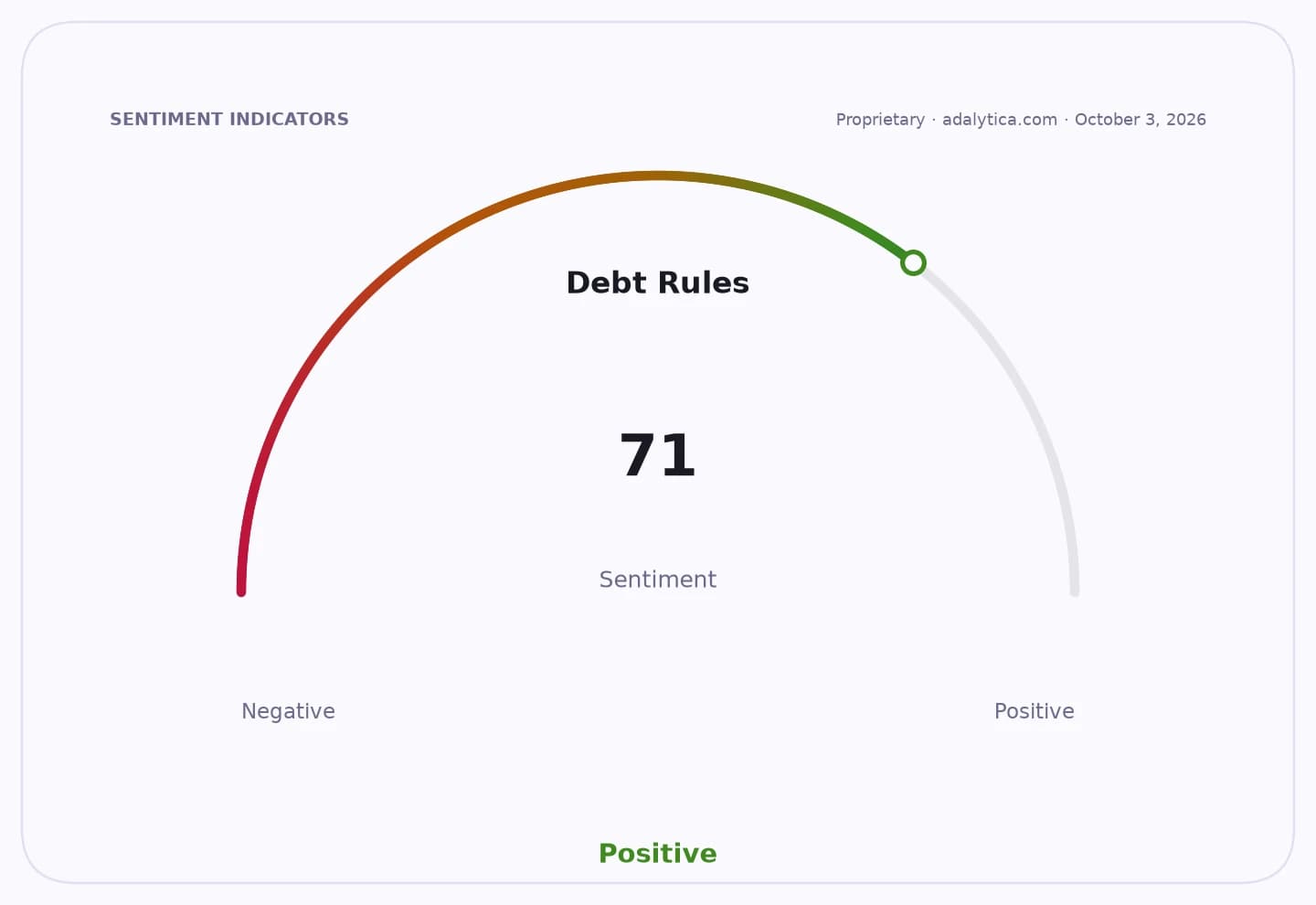
Debt Rules
The pushback matters because the bill sits at the center of a broader effort to manage a rising debt burden that is squeezing consumers and complicating the banking system’s cleanup of legacy loans. If Article 23 remains controversial, it could slow the legislation, force amendments and dilute the government’s attempt to create a clearer framework for debt workouts.
Sentiment Indicators
Pasok says the government has already backed away from the disputed clause under pressure, with lawmaker Milena Apostolaki arguing the ruling side tried to push through a serious bill without enough scrutiny. The party says it has opposed Article 23 from the start and wants it withdrawn.
The Communist Party’s Dimitris Koutsoumpas used a separate rally in Nea Ionia to sharpen the attack on the government’s wider economic agenda, linking the debt bill to inflation, anti-worker measures and Greece’s military involvement abroad. That broadening of the criticism is politically important: the private debt debate is becoming a proxy for dissatisfaction with the cost of living and enforcement policies more generally.
Debt Rules — 30-day sentimentadalytica.com
Explore this data interactively — full history, time series and cross-market comparisons.
Syriza has taken a more procedural route, calling for an emergency meeting of parliament’s economic affairs committee so servicers can be questioned before the vote. That would raise the level of scrutiny around how debt management companies will operate under the new rules and could increase pressure for changes before final passage.
Greek Solution has gone a step further, filing an amendment to scrap Article 27, which deals with creditor behavior in agreements with debtors. Taken together, the opposition is not just objecting to one clause; it is trying to reopen the bill’s balance between creditor rights and consumer protections.
For investors, the key issue is whether Greece can deliver a stable, enforceable framework for private debt without provoking a political backlash that weakens implementation. The banking sector, debt servicers and real-economy borrowers all need clarity. If the law is softened too much, collections and restructurings may become less effective; if it stays too lender-friendly, household distress could deepen and raise political risk.
That tension is why the legislation matters beyond parliament. Greece’s debt problem is not just a social issue; it is a balance-sheet issue with implications for banks, consumer spending and economic resilience. The market will watch whether the government can keep the bill intact, or whether Article 23 becomes the opening round in a wider rewriting of the country’s private debt regime.
| Entity | Gains | Losses |
|---|---|---|
| Greek government | ▲Faster debt framework if passed | ▼Political pressure over Article 23 |
| Banks and servicers | ▲Stronger collection rules | ▼Higher scrutiny and possible amendments |
| Households and debtors | ▲More protection if opposition prevails | ▼Risk of tougher lender terms |
| Opposition parties | ▲Political leverage and visibility | ▼Limited ability to reshape final law |