A technical review of the Grava school complex’s natural gas installations found no active leak, but it uncovered serious safety failures, including a disabled leak-detection system and a nonfunctioning manual shutoff, raising questions about whether the site can safely keep operating its heating network.
Grava school gas review finds safety failures
The finding matters because the issue is no longer just the source of a gas odor that alarmed the campus. The report from Greece’s Technical Chamber, as cited by Kathimerini, shows that critical safeguards were not working when they should have been, and that parts of the gas network were built differently from approved plans.
Sentiment Indicators
The review found that one of the two boiler rooms had no working gas-leak detection system. In the other, inspectors could not complete the check because work was still under way. The manual system meant to cut gas flow in an emergency also was not operating, removing a key layer of protection if a leak were to develop.
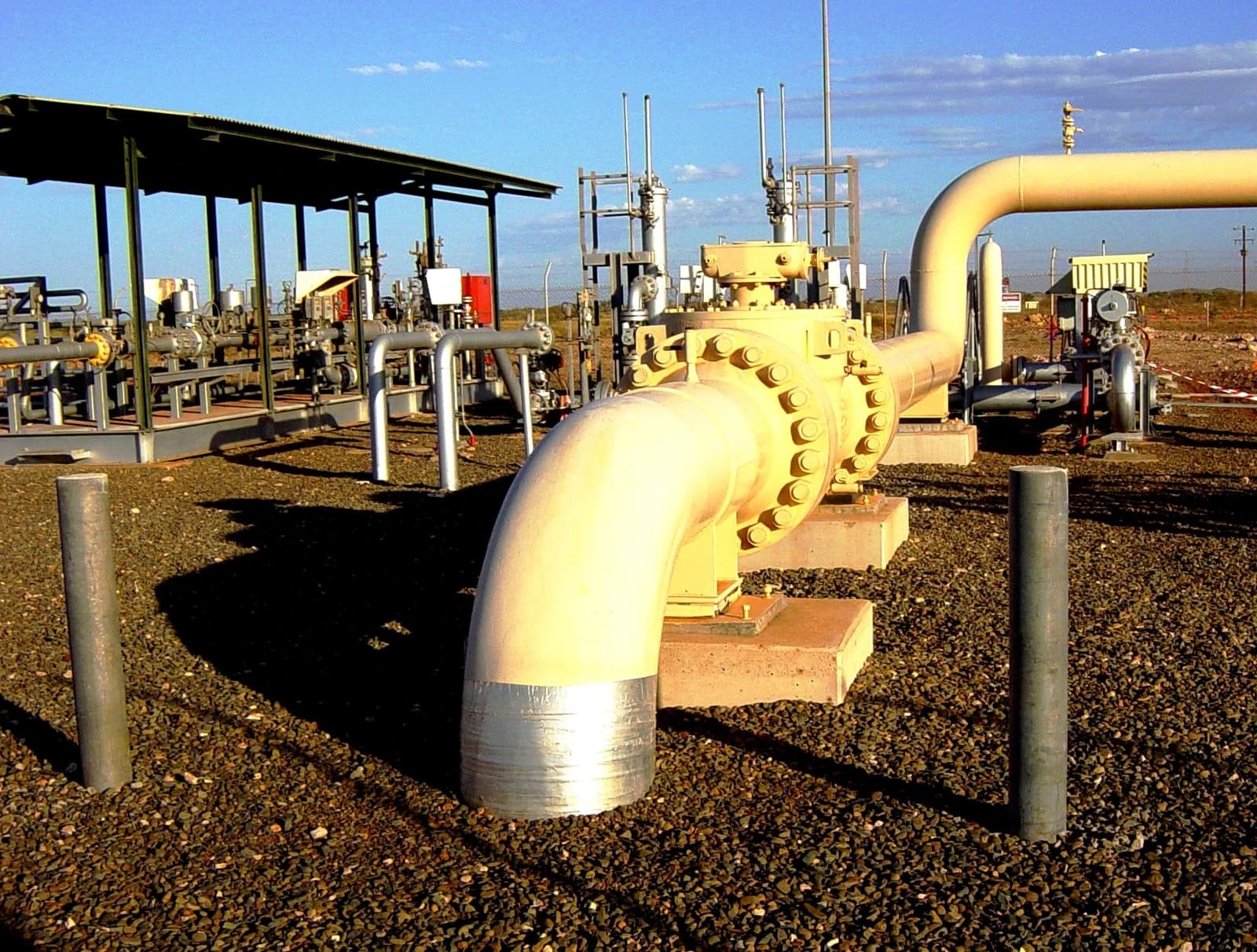
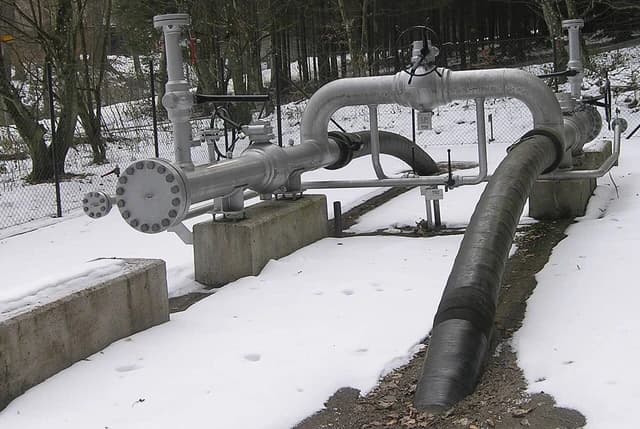
The report also points to broader construction and compliance problems. Sections of pipe that were supposed to be buried and welded were found in an open shaft with threaded connections and no required corrosion protection. A pipeline to the central boiler room that the plans showed as underground polyethylene was instead installed externally and made of steel.
Welding quality was another concern. Of seven welds checked randomly, one failed to meet minimum technical requirements, and the study said the entire set of welds should be examined, not just the sample. The report also flagged fire-protection weaknesses, saying boilers and electrical equipment share the same area without sealed fire-resistant doors.
Even so, the investigators did not identify an active gas leak during the inspection, and they did not rule out the possibility that one occurred earlier. That leaves the odor unexplained, but it also means the central issue for operators is the condition of the facility itself rather than a single confirmed release.
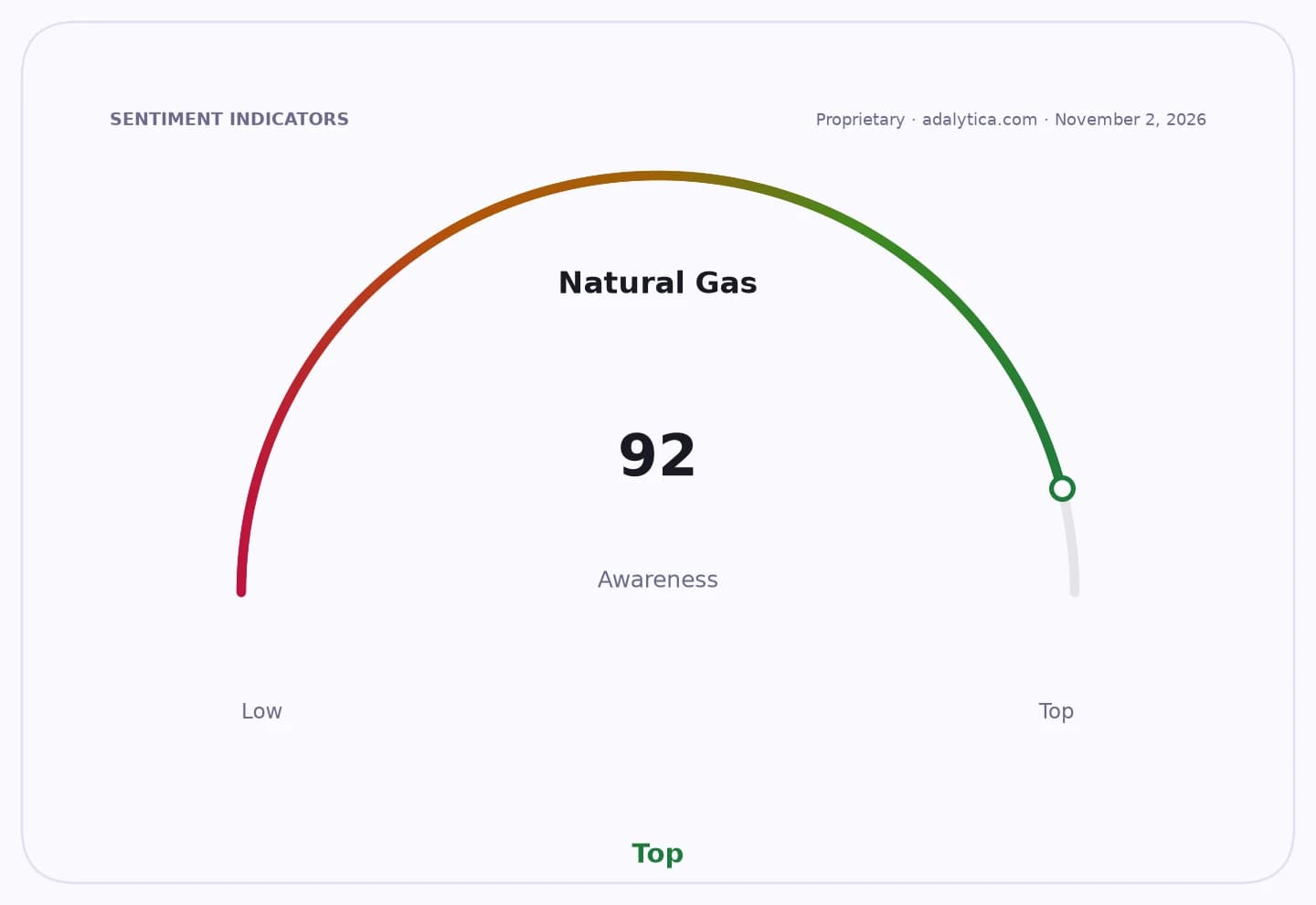
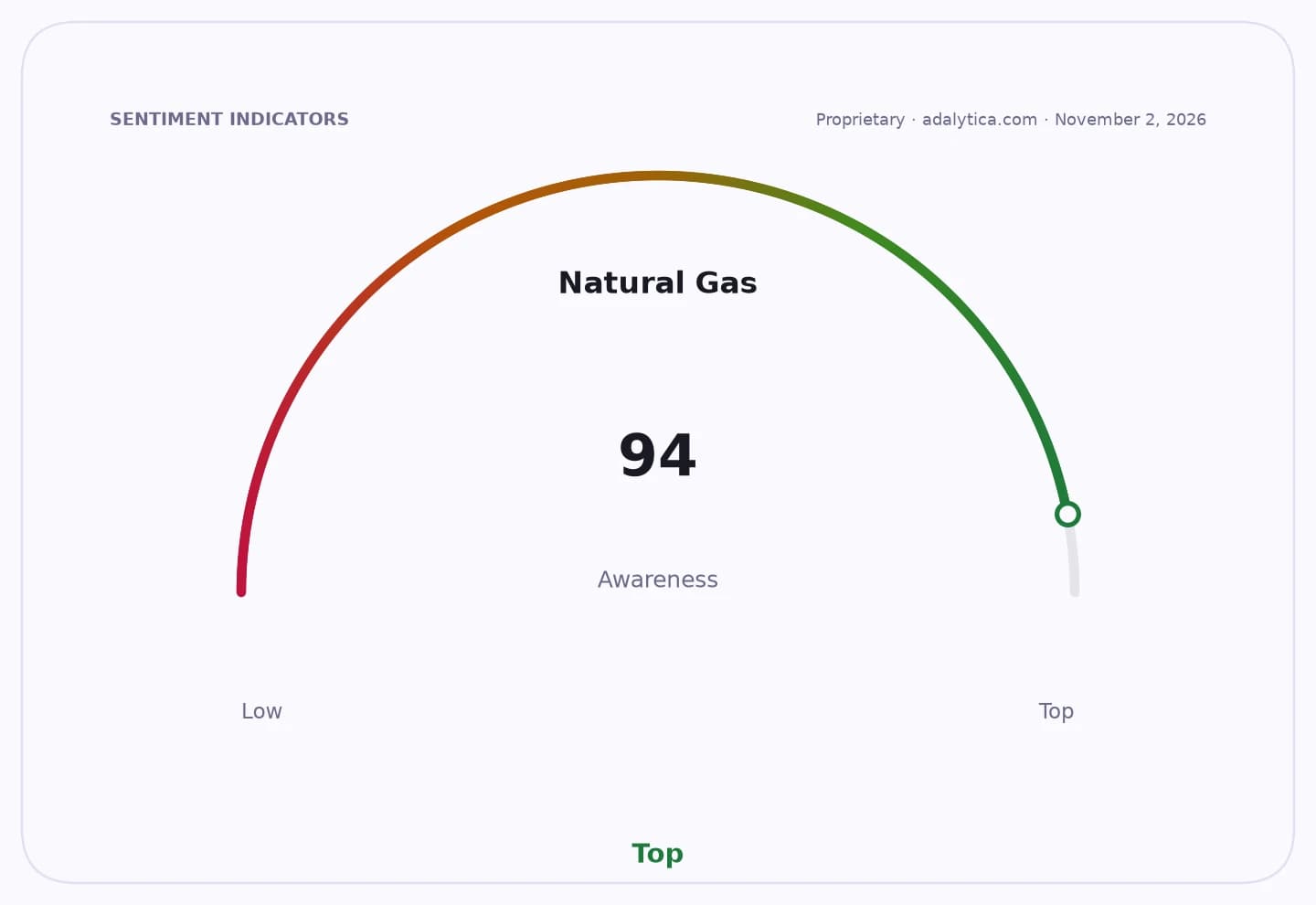
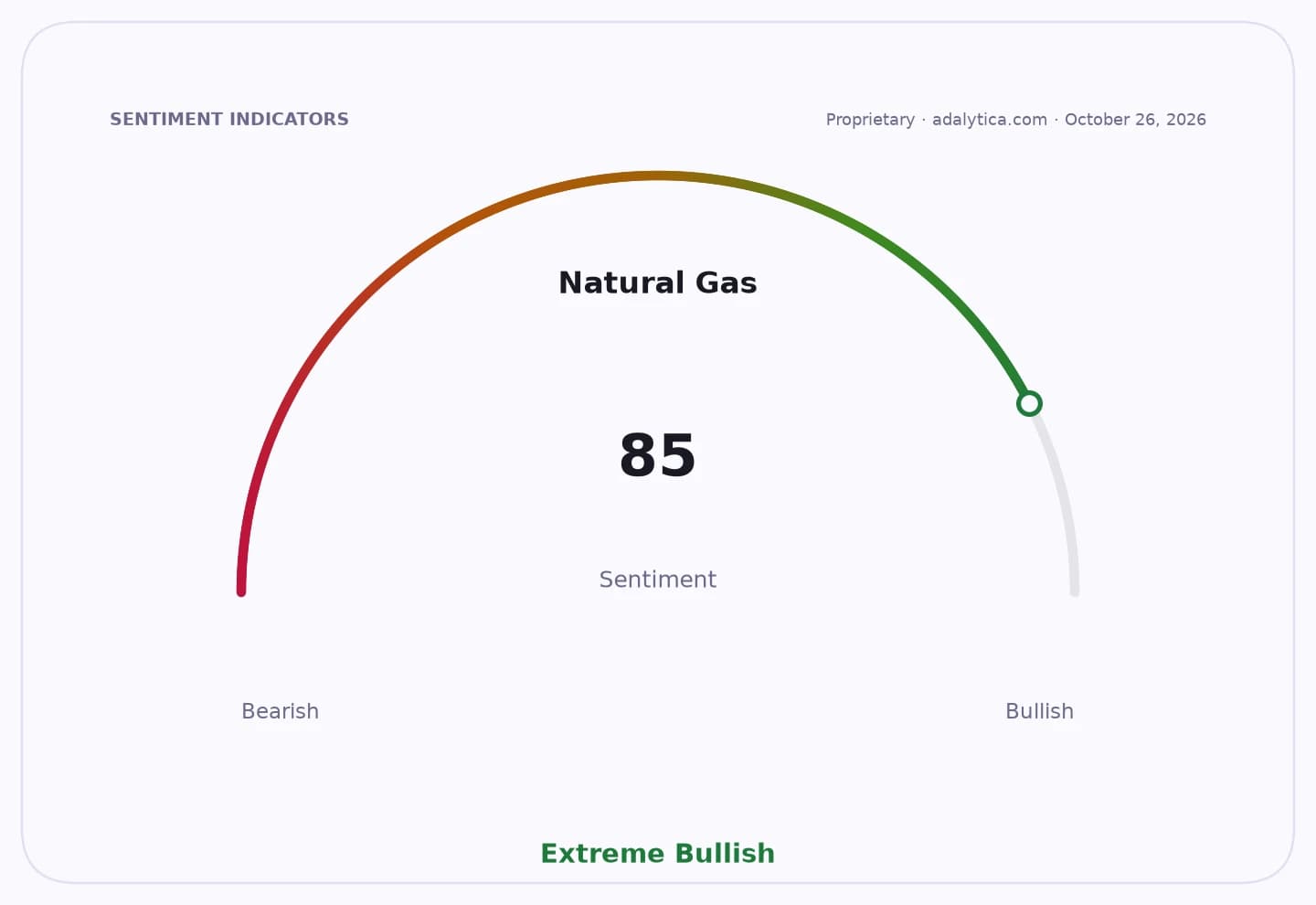
For investors, the broader relevance is less about this one school than about how infrastructure and compliance failures can force emergency repairs, shutdowns and liability costs across the natural-gas chain. It also lands in a market where gas remains sensitive to any supply or safety disruption: Adalytica’s natural gas trade signals show “Extreme Greed,” while U.S. natural gas ETF UNG has slipped to $9.58 and energy ETF XLE has climbed to $69.33, underscoring how quickly sentiment and sector pricing can diverge from local operational risks.
The next catalyst is whether the facility carries out the six recommended fixes in one boiler room and eight in the other, and whether regulators or school authorities order further testing of all welds and safety systems before the gas network is fully cleared for use.
| Entity | Gains | Losses |
|---|---|---|
| School authorities | ▲Clearer repair roadmap | ▼Operational disruption |
| Students and staff | ▲Safer facilities if fixes are done | ▼Exposure to safety risk |
| Gas contractors/inspectors | ▲More remediation work | ▼Scrutiny over installation failures |
| Natural gas market | ▲Reminder of safety risk discipline | ▼Confidence in seamless infrastructure |