Germany’s federal court has ordered a Ukrainian man held in custody over allegations he spied for Russia, a case that adds to a string of counterintelligence arrests and highlights how Moscow’s intelligence services are targeting Europe’s military buildup and eastern flank.
Germany detains Ukrainian man in Russia spy case
The suspect, identified by prosecutors as Vadym Y., is accused of acting for a foreign intelligence service and collecting militarily sensitive information for Russia’s GRU. He faces up to 10 years in prison if convicted, according to the federal prosecutor’s office in Karlsruhe.
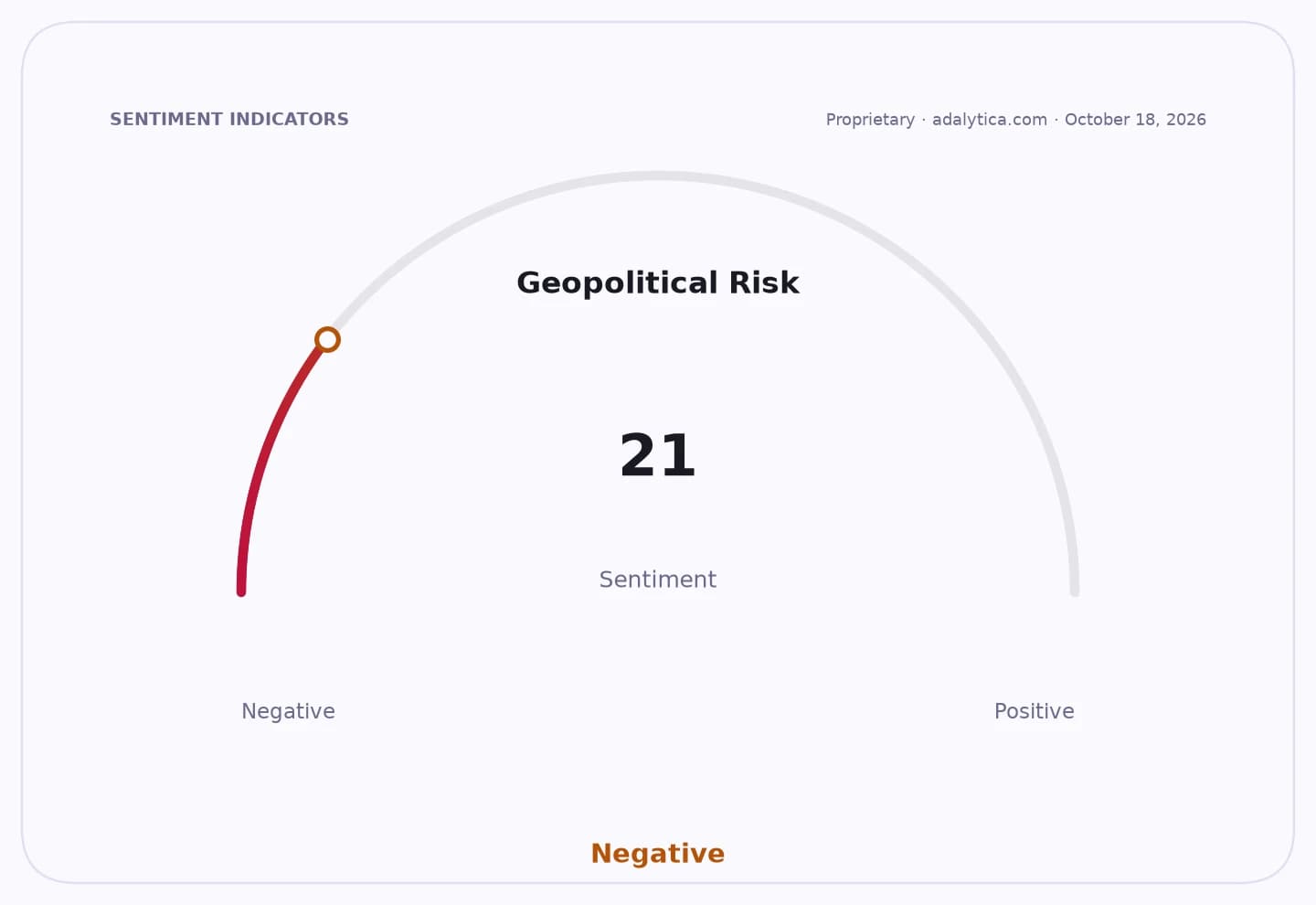
Sentiment Indicators
Prosecutors say the suspect gathered details on the technical production of armored vehicles, ammunition and explosives, as well as training of the German army’s 45th Tank Brigade, the so-called Lithuania Brigade. He is also accused of passing on information about personnel and facilities at sensitive military locations linked to NATO’s eastern defense line.
The case matters because it underscores how espionage is now tied directly to Europe’s rearmament. Germany has become a key logistics and force-posture hub as NATO reinforces its eastern flank, and intelligence on brigade locations, equipment and command structures can help identify vulnerabilities for sabotage, cyber operations or future military planning.
Chancellor Friedrich Merz called the arrest a success but warned that Germany remains exposed to intense Russian intelligence activity. Prosecutors said the suspect had been in regular contact with the GRU since at least July 2025, and that the inquiry began after investigators found a firearms cache in Brandenburg in August.
Berlin has stepped up counterintelligence scrutiny this year after several alleged Russian operatives were detained in Germany, including suspects accused of gathering information on drones, military suppliers and a former Ukrainian soldier living in the country. Prosecutors say some of the cases fit the profile of “disposable agents” recruited online for small tasks, though authorities believe this suspect was operating on a more serious level.
The arrest also comes as European governments harden their response to Russian covert activity. Poland this week detained a Russian man suspected of espionage and sabotage, while Austria expelled four Russian diplomats over spying allegations, signaling a wider crackdown across the region.
For investors, the case reinforces the security premium around European defense, cyber defense and critical infrastructure spending, especially in Germany, where the government has committed to a more permanent military posture in the Baltic region. The next focus is whether prosecutors uncover a broader network and whether Berlin responds with further arrests, expulsions or tighter security around military and industrial sites.
| Entity | Gains | Losses |
|---|---|---|
| German authorities | ▲Counterintelligence credibility | ▼Security workload and threat burden |
| NATO eastern flank | ▲Tighter vigilance | ▼Exposure to espionage and sabotage |
| German defense firms | ▲More security focus | ▼Higher operational risk |
| Russia’s intelligence network | ▲None | ▼Asset loss and disruption |