Gear4music is still growing, but the online music retailer has cut its profit outlook sharply after a wobble in paid-search traffic, sterling’s surge and heavy investment in a new automated warehouse began to bite.
Gear4music cuts FY27 EBITDA outlook after Q3 slowdown
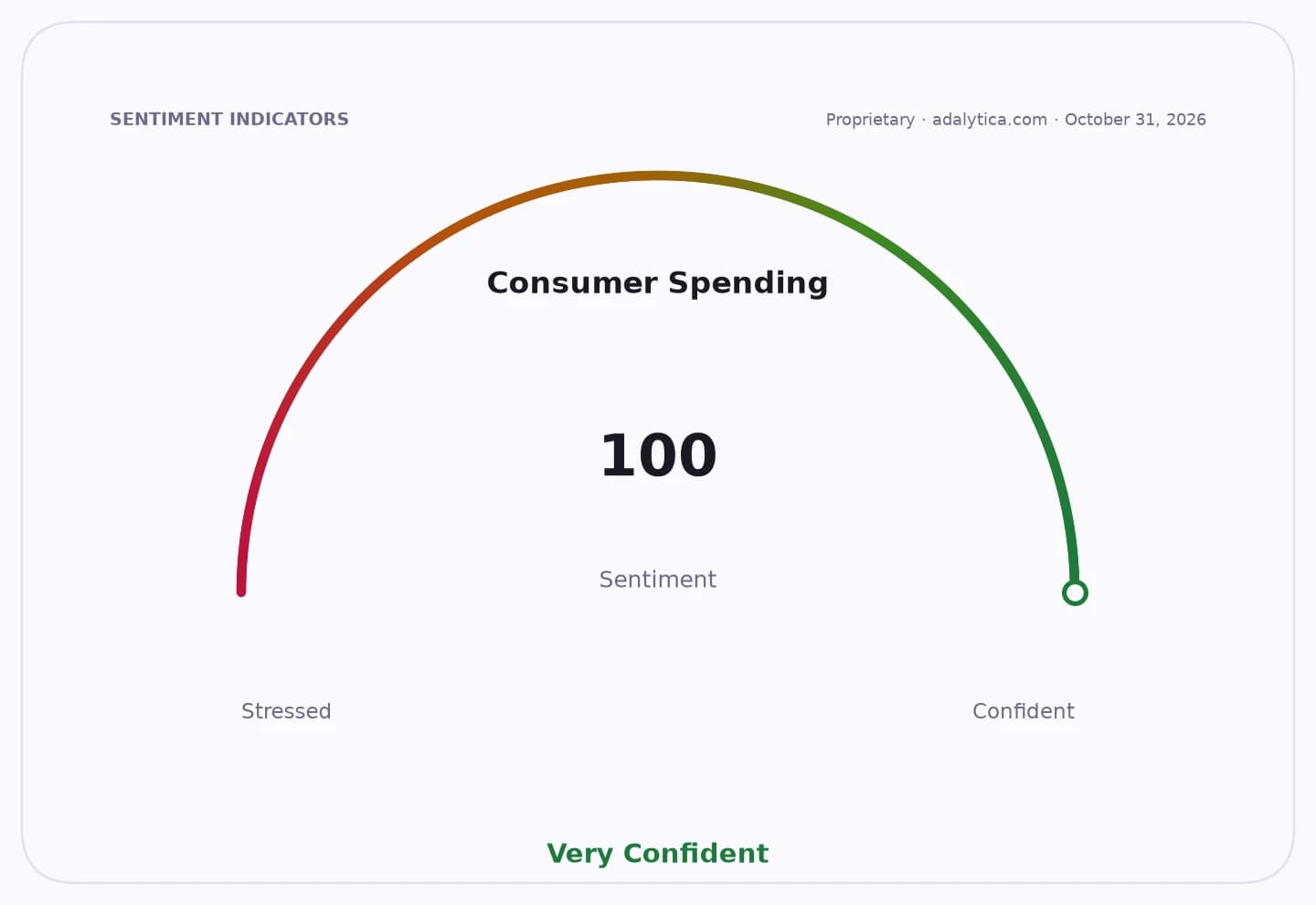
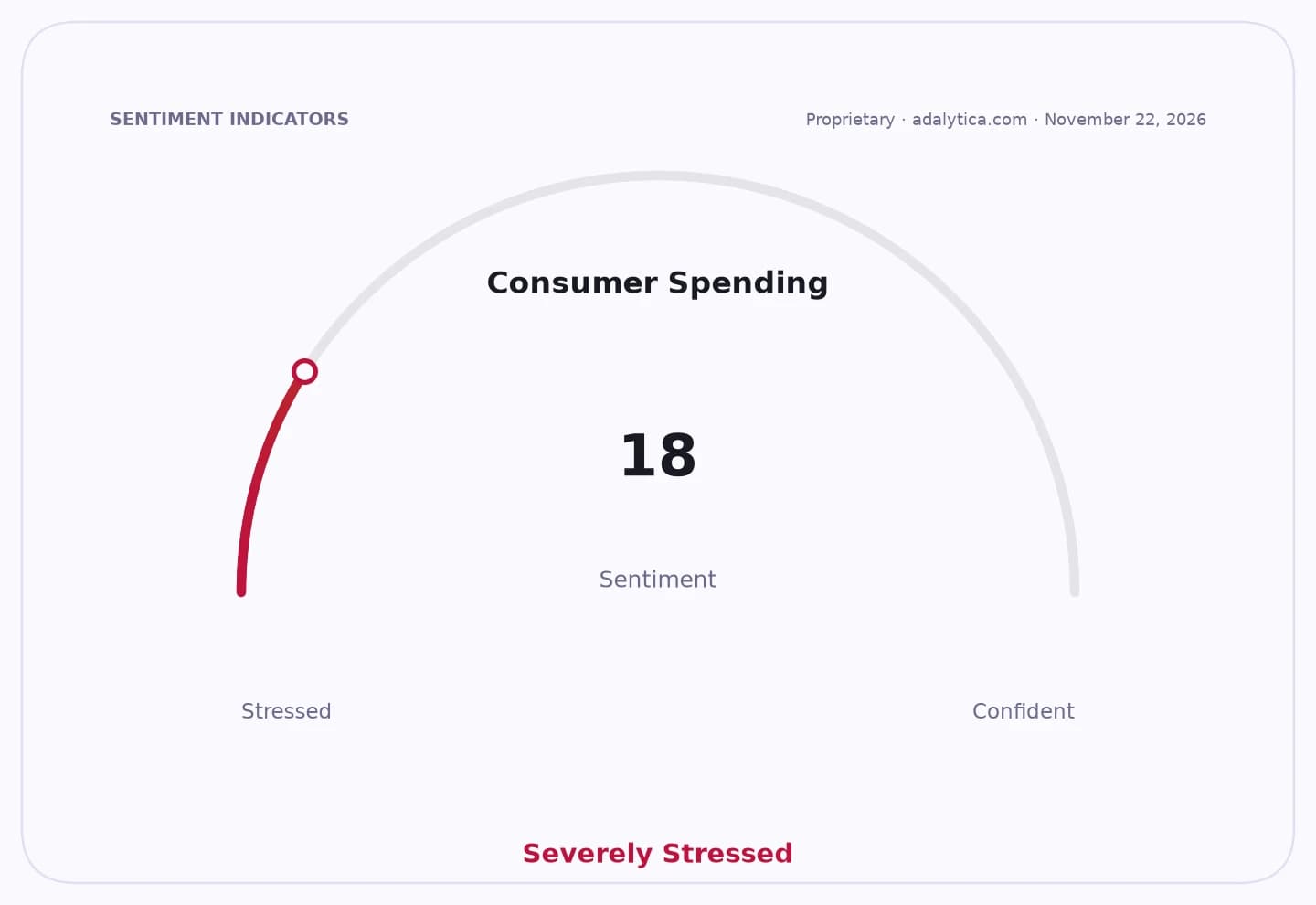
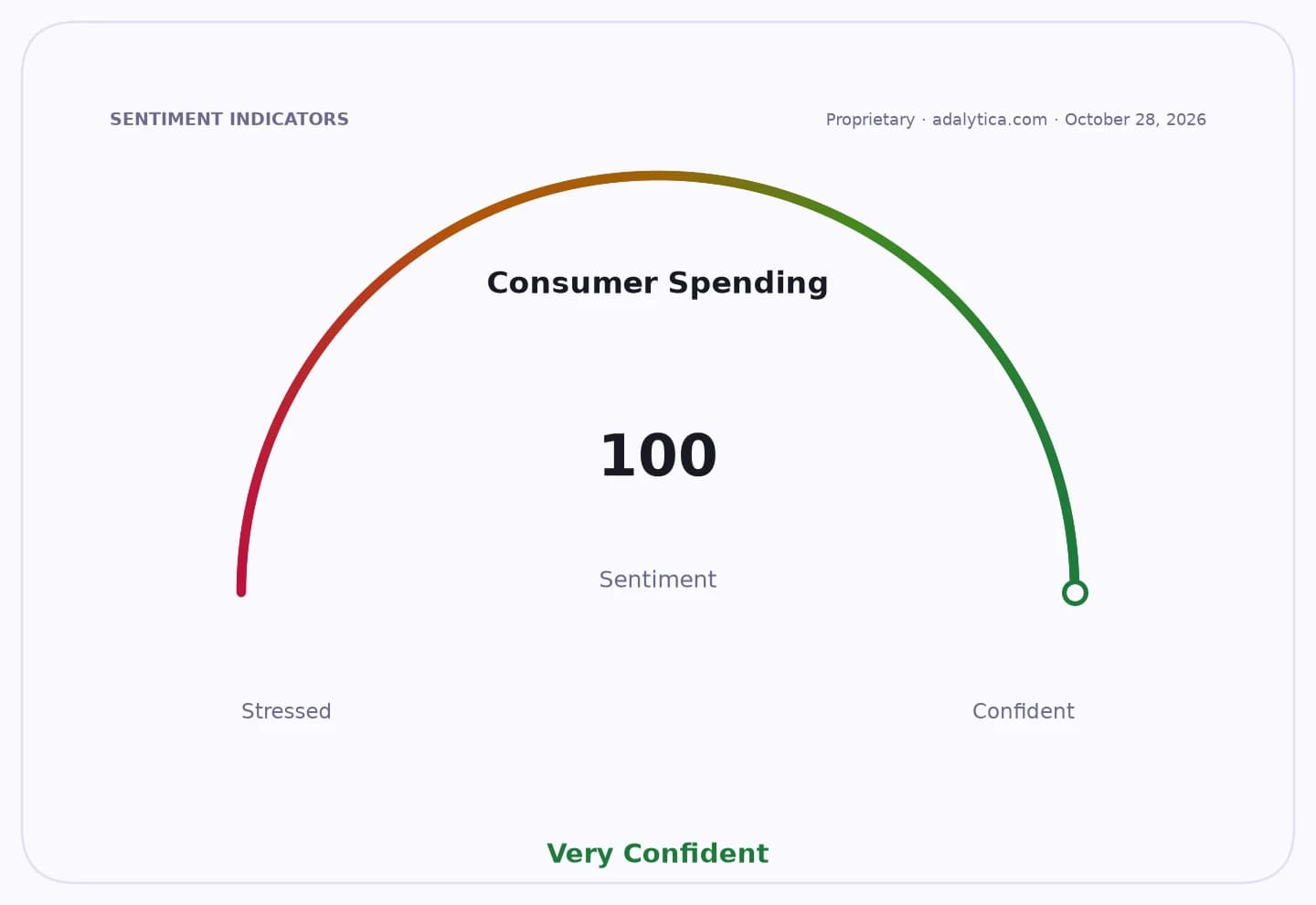
Consumer Spending
That matters because the latest update shows how quickly a small consumer-facing business can see margin pressure even when top-line sales are holding up. For long-term investors, the key question is not whether shoppers have vanished — they have not — but whether Gear4music can defend profitability as digital discovery changes and discretionary spending stays cautious.
Sentiment Indicators
For the six months ended Sept. 30, revenue rose 6% to £85.4 million from £80.7 million a year earlier, while pre-tax profit slipped to £1 million from £2.7 million. EBITDA fell 17% to £5.7 million as the company absorbed setup costs tied to its new automated UK warehouse, an investment designed to support efficiency and scale over time.
The bigger surprise was the downgrade for the full year. Gear4music now expects FY27 EBITDA of about £11.5 million, down from a previous forecast of £16 million, after trading in the financial third quarter was hit by lower paid-search traffic and more intense pricing pressure from European rivals. The company said Q3 revenue to date is down 13% year on year, though still 19% ahead of the equivalent period in FY25 after strong growth last year.
This is the sort of update that investors in ecommerce businesses need to read carefully. Revenue growth is still positive, which suggests demand for musical instruments and equipment has not collapsed. But the mix is getting less friendly: customer acquisition is becoming harder as AI-powered search changes how people find products, while a stronger pound is making imported goods relatively more expensive for overseas rivals to undercut.
Andrew Wass, Gear4music’s executive chair, said the business is making progress in improving visibility across AI-led search services, and that the expansion of advertising in those platforms creates new opportunities to reach customers. That is a sensible long-term argument, especially for a retailer whose growth depends on discovery, intent and repeat traffic rather than footfall.
The new warehouse also matters. The first phase is now operational after a £10.6 million investment, and management says the group is well prepared for the peak trading period. In the long run, automation should help with fulfilment, inventory management and margins — if sales volume keeps rising enough to absorb the upfront cost.
For investors, the message is mixed but not broken. Gear4music is still a niche retailer with a recognizable brand and a route to operating leverage, but it remains exposed to consumer caution, advertising economics and exchange-rate swings. In a market where patience is rewarded, the stock will likely appeal more to investors who can look through a difficult year and focus on whether the business can compound earnings once the warehouse investment settles in.
The near-term test is whether peak-season trading can stabilize margins and restore confidence in the lowered FY27 target. If management can translate its warehouse spending and AI-search work into better conversion and lower fulfilment costs, the long-term story may still be intact — but investors should keep it on the watchlist, not in the “set and forget” pile yet.
| Entity | Gains | Losses |
|---|---|---|
| Gear4music | ▲Long-term efficiency potential | ▼Near-term EBITDA margin |
| AI search platforms | ▲More ad inventory | ▼Traditional paid-search traffic |
| European rivals | ▲Pricing pressure advantage | ▼Gear4music’s market share |
| Long-term investors | ▲Potential compounding setup | ▼Investors seeking quick profit growth |