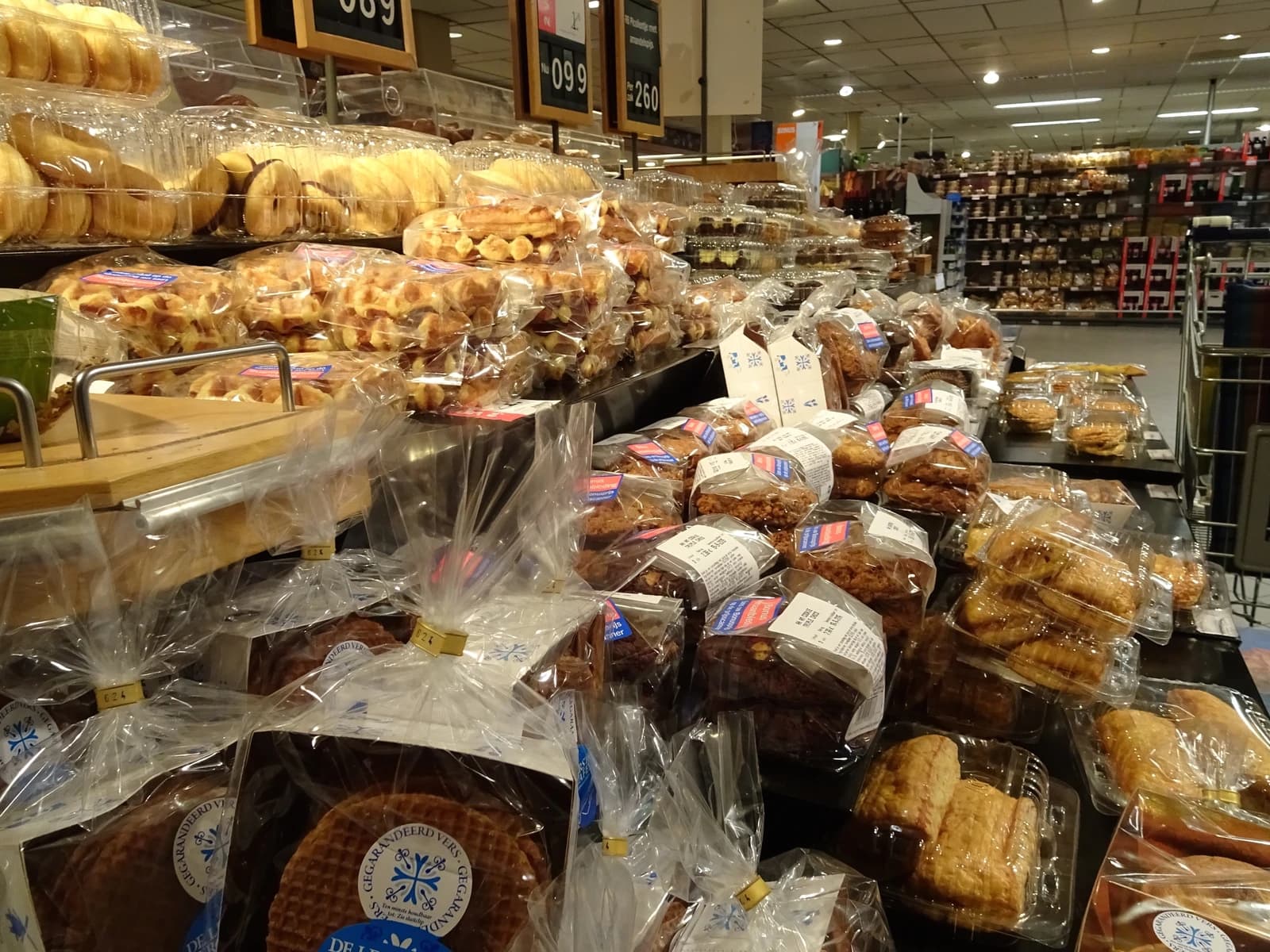
In some Galeria stores, items are now sitting behind caution tape or marked as temporarily not for sale, a visible sign that suppliers are no longer willing to extend the department store chain the kind of credit that keeps shelves stocked.
Galeria suppliers pull stock amid insolvency
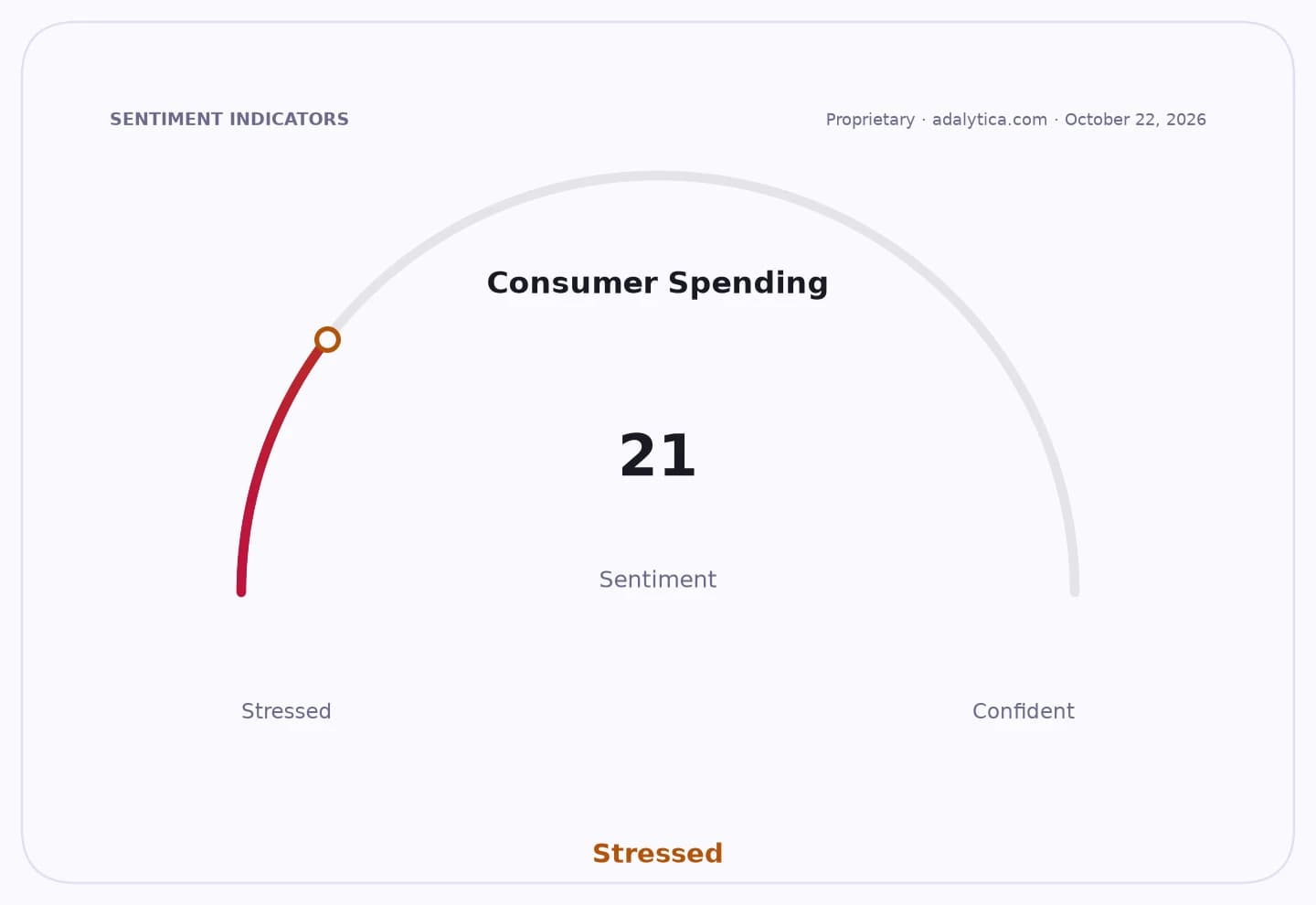
Consumer Spending
The immediate economic issue is trust — or the lack of it. Germany’s only nationwide department store chain is in its fourth insolvency, and vendors are trying to protect themselves from becoming unsecured creditors in a bankruptcy estate that may never fully repay them. Under title-retention agreements, goods remain the supplier’s property until Galeria pays, allowing vendors to reclaim inventory if cash is not collected on time. What looks like a retail oddity in Heilbronn is in fact a working capital squeeze playing out in public.
Sentiment Indicators
That matters because a department store cannot function without merchandise on the floor. Galeria has 12,000 employees and 83 branches, but it is heading into the crucial Christmas trading period with some shelves effectively off-limits. Insolvency pay may protect wages for now, yet the business still needs cash from customers to survive the next few months. If shoppers see empty displays or taped-off tables, they are less likely to spend — just when the chain most needs traffic and inventory turnover.
The setup also underlines how badly repeated restructurings can damage a retailer’s financing options. Carsten Kortum of the Duale Hochschule Baden-Württemberg in Heilbronn said the latest restrictions suggest suppliers have grown wary after Galeria’s prior insolvencies. Small brands may have little leverage to demand cash upfront, but larger vendors can push harder for ownership protections. Imported private-label goods are often paid for in advance anyway, which means the stoppages are likely uneven across the sales floor rather than universal.
For Galeria, the short-term risk is not only empty space but a further breakdown in customer confidence. For suppliers, the calculation is simpler: if payment risk is too high, they can pull stock back and sell elsewhere, unless Galeria can come up with enough cash to settle invoices directly. That creates a vicious circle in which weaker liquidity begets thinner inventory, which in turn reduces revenue and weakens liquidity further.
The broader retail lesson is that insolvency does not stay confined to the balance sheet. It shows up in display cases, in vendor behavior and in the ability of a chain to operate as a going concern. Unless Galeria can restore creditor confidence quickly, the “not for sale” signs are likely to become a symbol of a retailer that still exists legally but is struggling to function commercially.
| Entity | Gains | Losses |
|---|---|---|
| Galeria suppliers | ▲Protect inventory value | ▼Face payment risk |
| Galeria | ▲Cash preservation | ▼Shelf availability |
| Customers | ▲Possible later stock return | ▼Fewer products to buy |
| Competitors | ▲Capture displaced demand | ▼Lose if Galeria stabilizes |