Gabon has halted new approvals and renewals for personnel supply companies in a bid to rein in a labor-market segment authorities say has become a source of precarity, weak compliance and lost tax and social-security revenue.
Gabon halts staffing firm permits nationwide
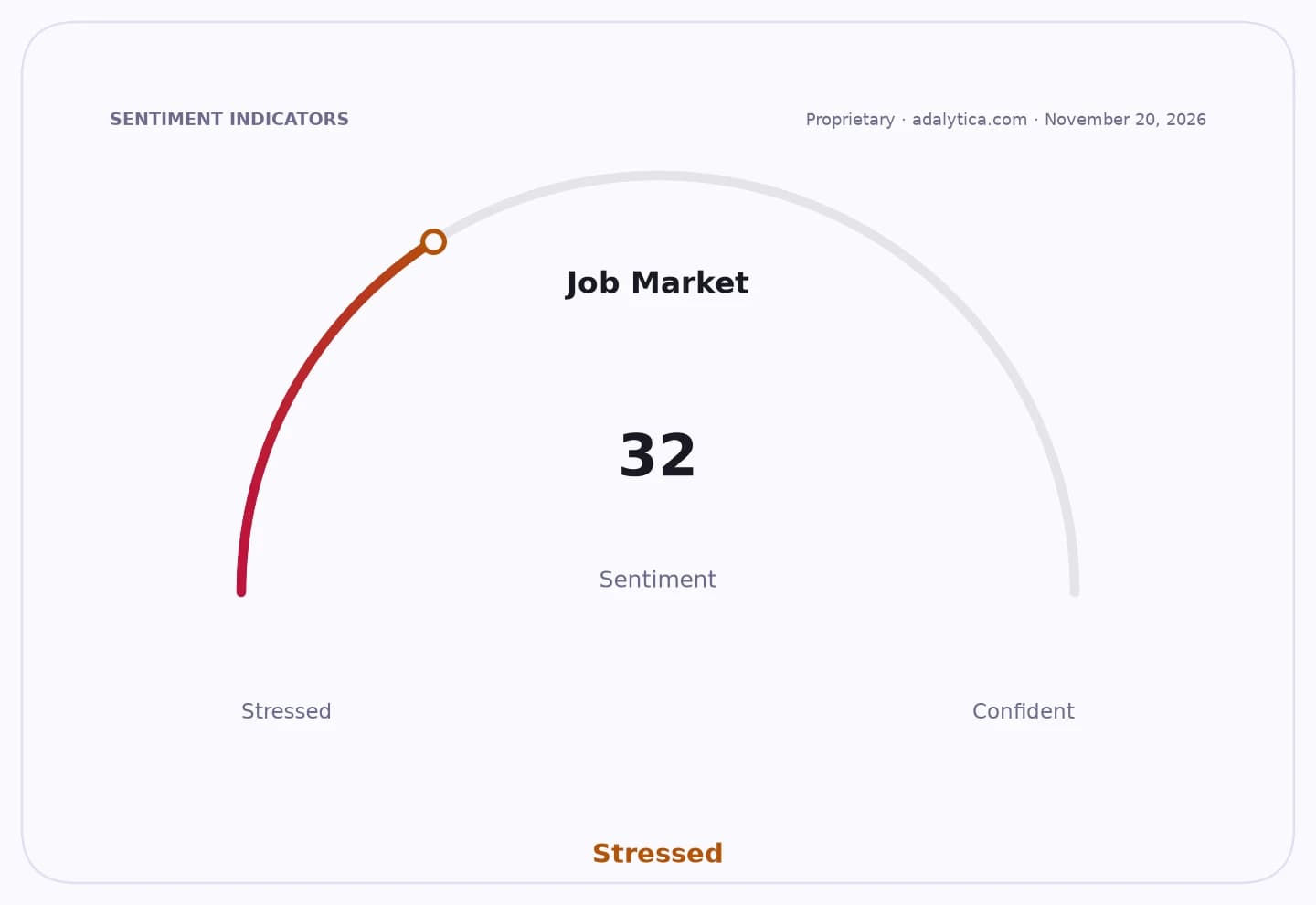
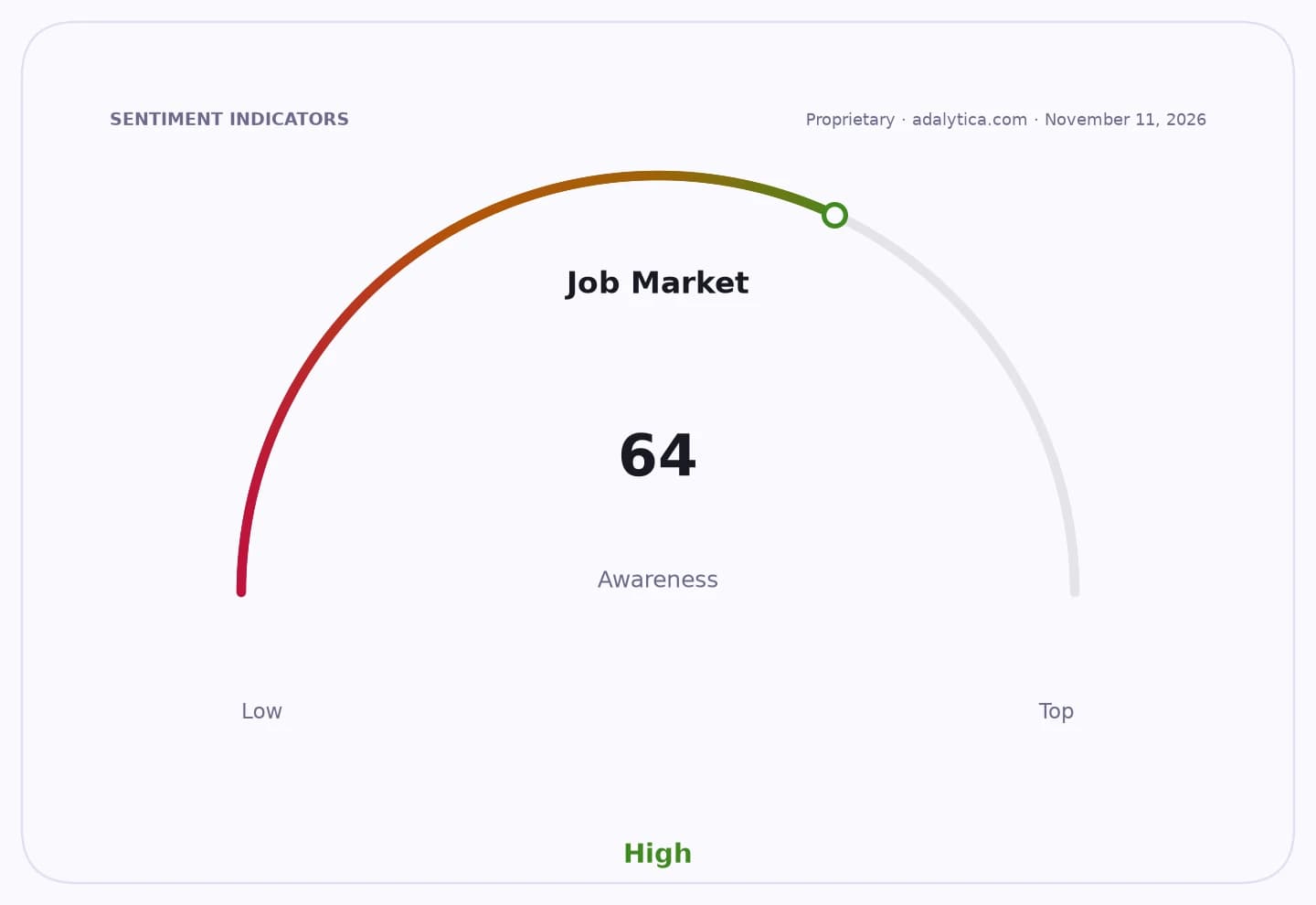
Job Market
The move matters because staffing firms sit at the junction of employment, industrial supply chains and public finances. By freezing new technical permits nationwide, Labor Minister Adrien Nguema Mba is effectively signaling that the government wants to slow the spread of a business model that officials say has shifted from temporary labor provision into a permanent outsourcing channel. That raises the cost of flexibility for employers, but it also aims to bring more workers onto formal contracts and restore state oversight over payroll, fiscal and social obligations.
Sentiment Indicators
Authorities said the suspension covers both fresh licenses and the renewal of those due to expire, and comes with an immediate interministerial inspection mission involving labor, hydrocarbons and social affairs officials. Port-Gentil, the country’s industrial hub and a key oil-services center, is among the priority zones for audits and on-site compliance checks. The government will focus on whether companies are meeting obligations to the CNSS and CNAMGS, the national social security and health funds.
The policy has a clear economic logic. Gabon is trying to protect local labor, especially young graduates, after concluding that some personnel-leasing firms have turned a temporary staffing mechanism into a permanent management tool. In practical terms, that can depress wage quality, blur employer responsibility and weaken contribution collection at a time when many African governments are under pressure to broaden formal employment and defend revenue.
For employers, especially in hydrocarbons and industrial services, the immediate effect is regulatory uncertainty. Firms that rely on outsourced labor may face tighter audits, delays in staffing approvals and possible contract renegotiations if inspectors find noncompliance. For compliant providers, the suspension could reduce competition from loosely regulated operators and improve pricing discipline, but it may also choke near-term volume growth in a sector that depends on license turnover and the continuous onboarding of workers.
The broader investor implication is that Gabon is moving toward a tougher labor and compliance regime rather than a laissez-faire outsourcing market. That could support formal employment and public revenues over time, but it may also raise operating friction for service companies and their clients, particularly in Port-Gentil. The next catalysts are the findings of the inspection mission and whether the government turns the temporary freeze into a more permanent tightening of staffing rules.
| Entity | Gains | Losses |
|---|---|---|
| Gabon government | ▲Oversight and revenue control | ▼Short-term business friction |
| Formal staffing firms | ▲Less unfair competition | ▼Slower permit growth |
| Employers using outsourcing | ▲Cleaner compliance environment | ▼Less labor flexibility |
| Workers and social funds | ▲More formal protection | ▼Transitional hiring disruption |