Retirees in France are increasingly using mortgage life loans to turn illiquid home equity into cash without having to sell their property, as longer lifespans and flat pensions leave many homeowners rich on paper but short of spending money.
France retirees use mortgage life loans
The appeal is simple: for older borrowers who own homes outright, the prêt viager hypothécaire, or PVH, offers immediate liquidity while allowing them to remain in the property. That is drawing attention because roughly 70% of French retirees are homeowners, with the average home worth about 350,000 euros, according to Skarlett, yet the gap between pension income and living costs keeps widening.
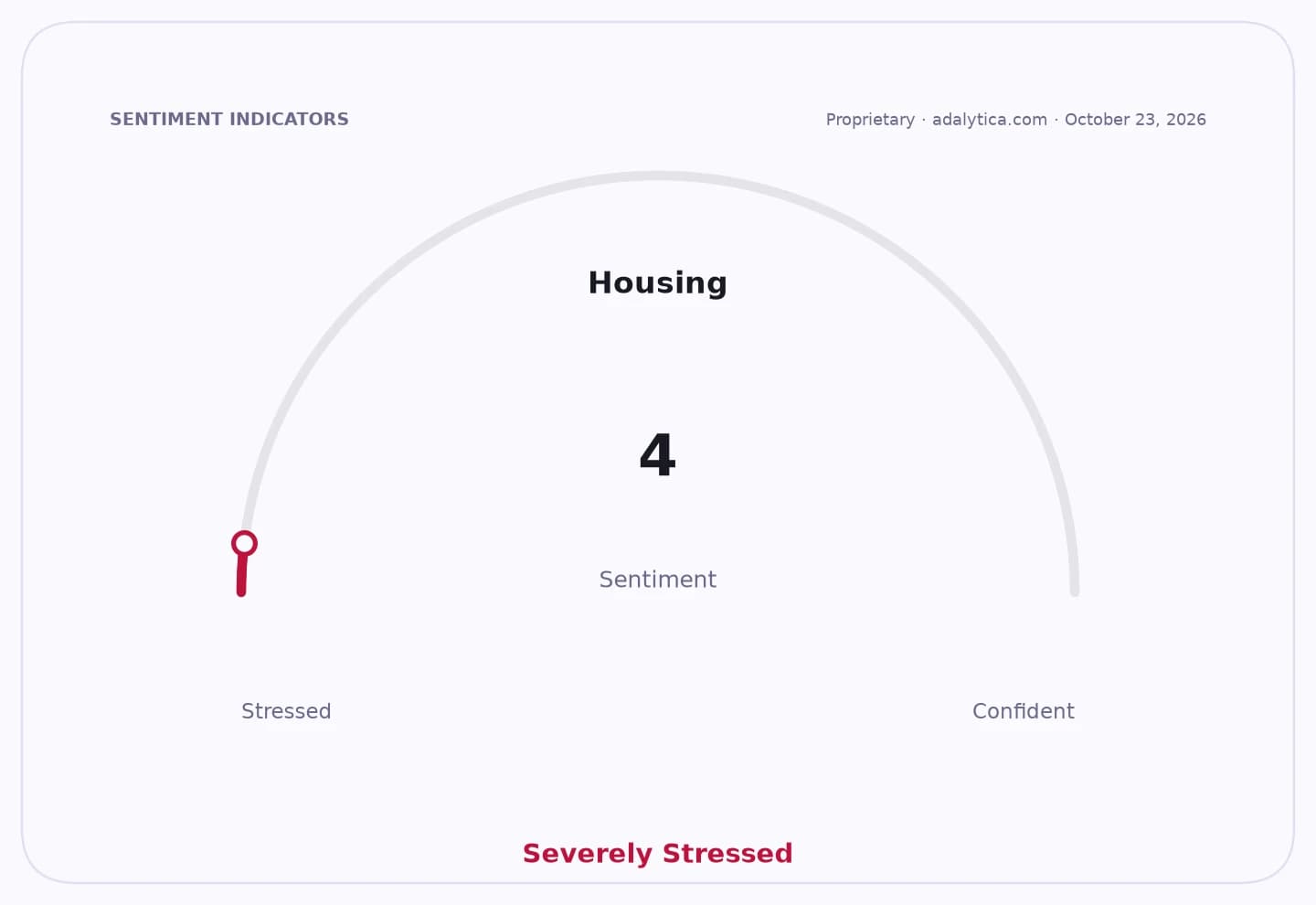
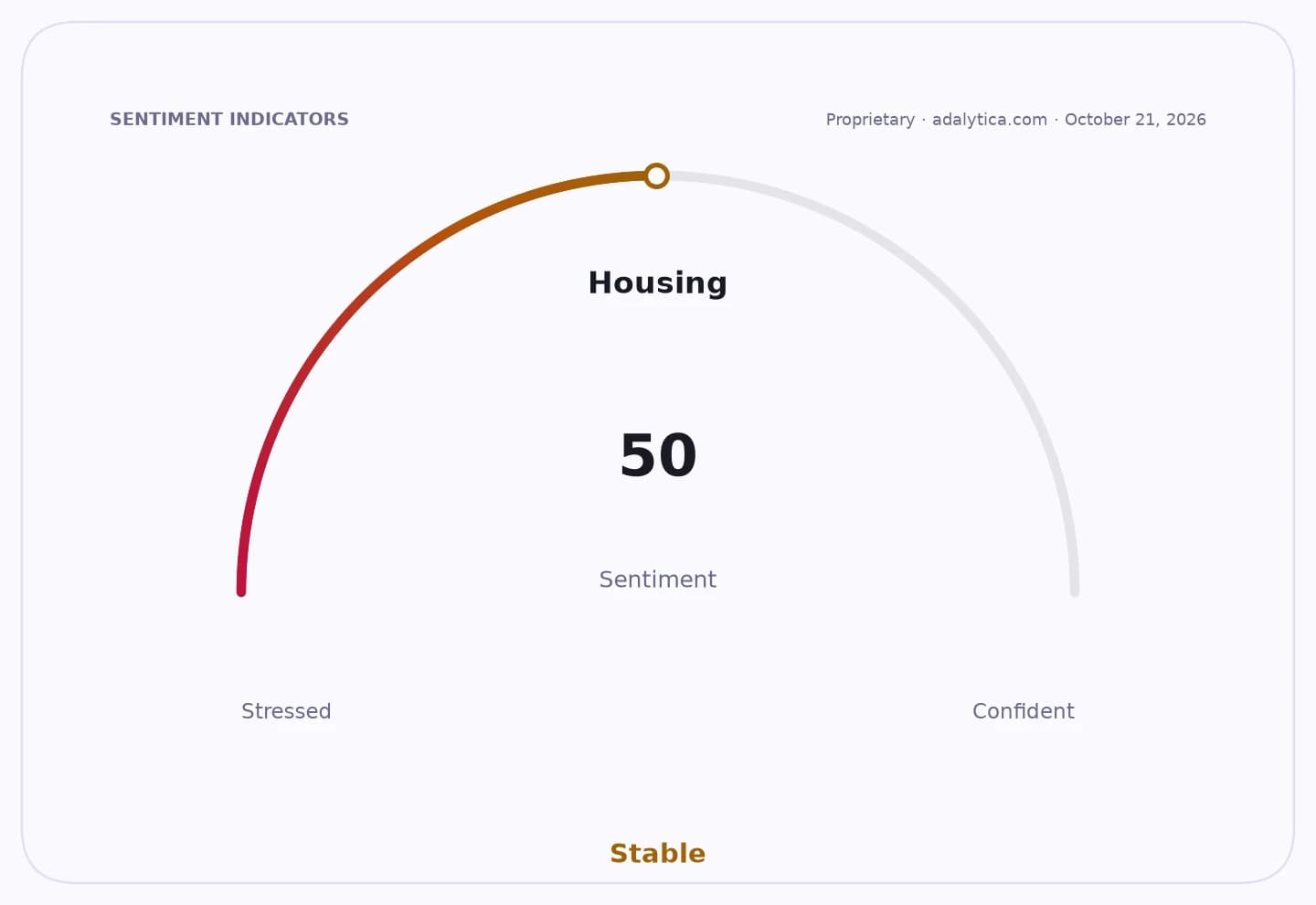
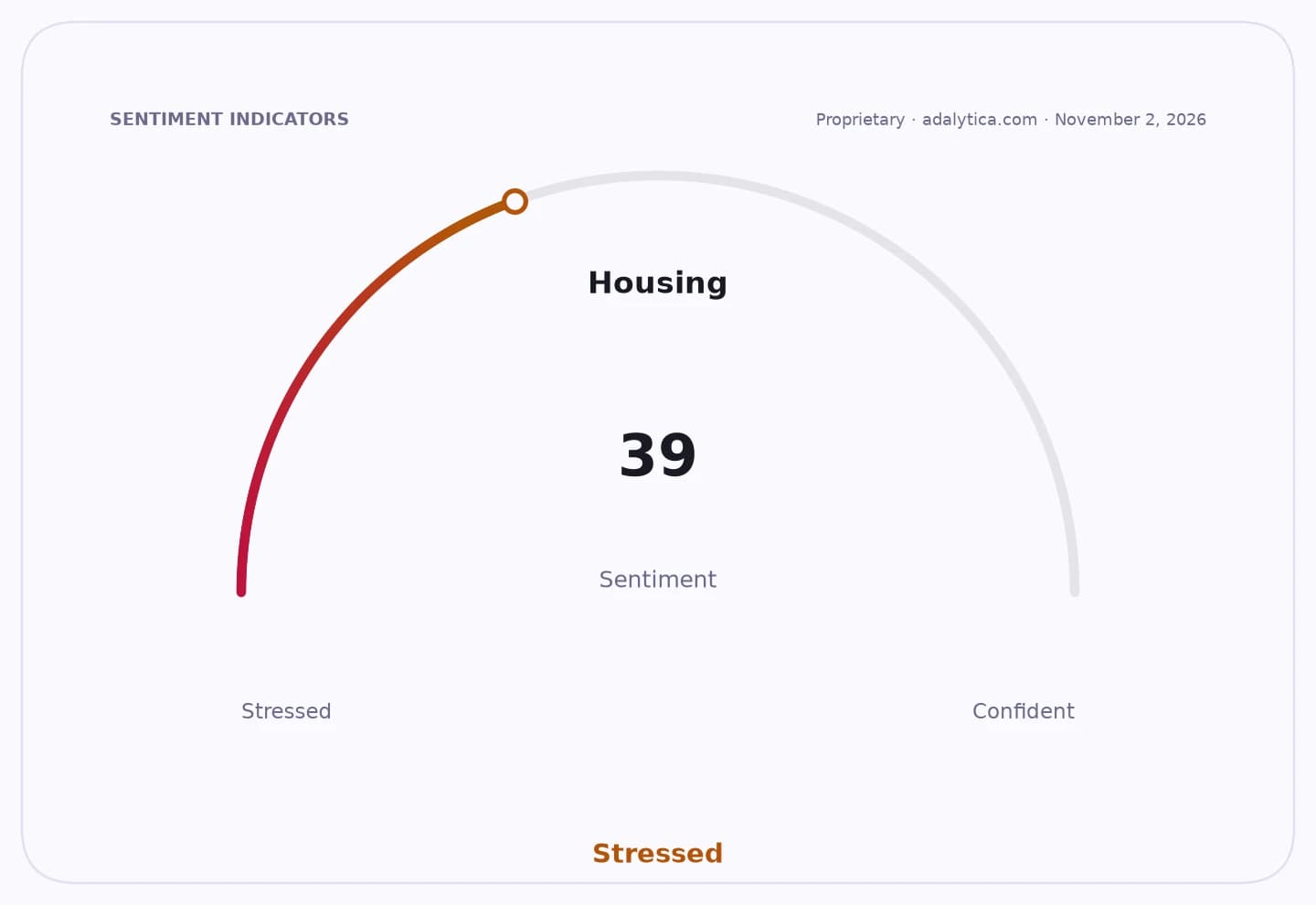
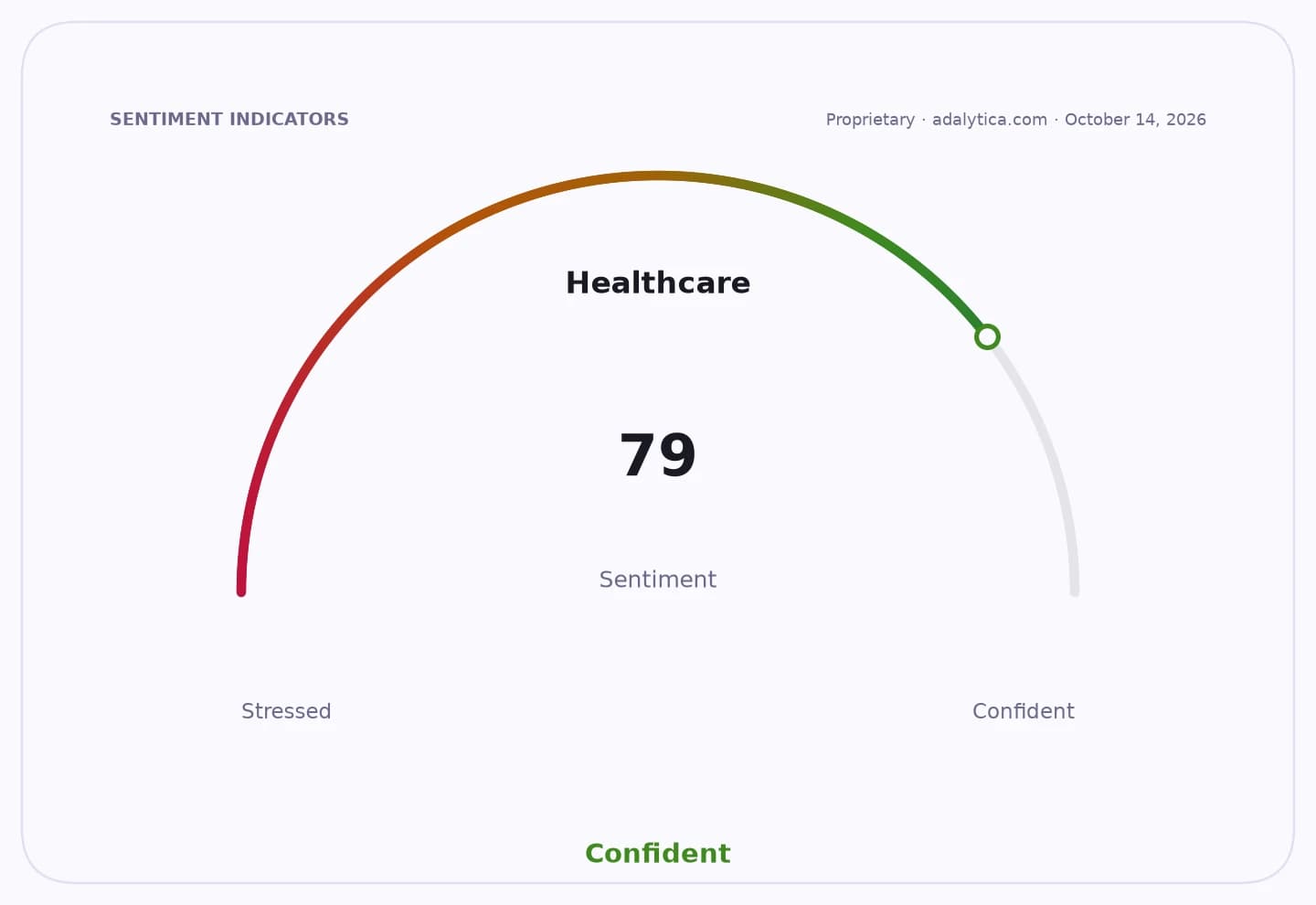
Sentiment Indicators
Under the structure, the borrower stays the owner and repayment is deferred until death, sale of the home or early repayment. Depending on age and valuation, lenders typically advance 15% to 75% of the property’s worth, though brokers say 40% to 50% is more common, making the product a targeted way to monetize housing wealth without triggering a move.
The financing, however, is expensive. Skarlett says the effective annual rate usually lands between 7% and 9% once fees are included, and because interest compounds, the debt can balloon over time. A hypothetical 100,000-euro loan at 7% would grow to nearly 276,000 euros after 15 years, underscoring why the product can preserve cash flow at the expense of future inheritance.
That trade-off matters economically because aging homeowners often have wealth trapped in real estate while needing money for healthcare, home repairs or everyday expenses. It also matters for lenders and mortgage specialists, who are seeing demand for solutions tied to senior housing wealth as traditional retirement income struggles to keep pace with inflation and longevity.
For investors, the story points to a niche but growing corner of the French housing-finance market and to the broader pressure on household liquidity in an environment of elevated borrowing costs. France’s 10-year government bond yield sits near 4.95%, while housing and rent inflation remains elevated enough to keep pressure on older owners’ budgets, according to Adalytica’s Housing and Rent Inflation Sentiment gauge, which is in “Fear” territory.
The product is not free money: the debt cannot exceed the home’s value at maturity, and heirs receive only what remains after repayment. That makes PVH a succession decision as much as a financing decision, pitting cash today against a smaller estate tomorrow.
Alternatives such as occupied life annuities and selling the bare ownership of a home avoid compounding debt but require giving up ownership rights. For lenders, brokers and retirees alike, the common thread is the same: in a high-cost, low-cash world, home equity is becoming one of the last accessible sources of spending power.
| Entity | Gains | Losses |
|---|---|---|
| French retirees/homeowners | ▲Cash without selling home | ▼Smaller inheritance later |
| Lenders/brokers | ▲New senior-loan demand | ▼Higher credit and duration risk |
| Heirs | ▲Potential residual equity | ▼Diluted estate value |
| Competing sale structures | ▲Attention to life-loan products | ▼Demand if PVH wins preference |