France has opened a judicial investigation into suspected leaks of confidential information to Marine Le Pen’s National Rally, a case that deepens the far-right party’s legal exposure just months before a presidential election in which it remains the frontrunner.
France opens probe into National Rally leaks
The probe matters because it reaches beyond a routine ethics case and into the integrity of the state itself. Prosecutors are examining whether a former Interior Ministry official passed on protected information about investigations tied to the National Rally’s 2022 and 2024 campaign financing, a reminder that the party’s rise is now colliding with repeated allegations over how it has funded, organized and defended its political machine.
Sentiment Indicators
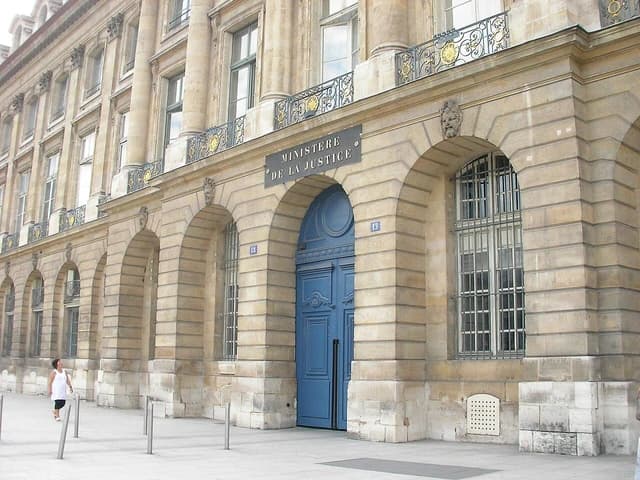
Interior Minister Laurent Nuñez said a judicial investigation has been opened and that he summoned Hugues Moutouh, a former senior ministry official now serving as prefect of the Center-Val de Loire region. The Paris prosecutor’s office said searches were carried out at the party’s headquarters on Nov. 9 and that no formal charges have yet been filed. Le Monde reported that investigators suspect Moutouh of sharing confidential information about the financing inquiries.
For investors, the immediate market impact is limited, but the political implications are broader. France remains one of the euro area’s core sovereign credits and one of its most systemically important economies, so anything that raises the odds of a destabilizing election campaign or a more confrontational transfer of power carries a premium for French assets, from government bonds to domestically exposed equities and the euro. The event also reinforces a pattern of governance risk around the National Rally: its leader is campaigning under the shadow of an embezzlement conviction, while her running mate Jordan Bardella has already been forced to deny allegations over antisemitic remarks.
The timing is significant. Less than six months before the vote, Le Pen remains ahead in opinion surveys and is seeking to convert years of anti-establishment momentum into executive power. A party that enters the race under multiple investigations is likely to face tighter scrutiny from voters, institutions and rivals, but the backlash can cut both ways: supporters may cast the probes as evidence of a political establishment fighting back. That leaves the campaign vulnerable to further volatility as courts, prosecutors and the media continue to set the agenda.
For markets, the central question is not whether this single investigation changes the election outright, but whether it adds to the accumulated legal and institutional friction around a possible Le Pen presidency. That would matter for fiscal policy, relations with the European Union and France’s policy stance toward business, migration and regulation. The next catalysts will be any formal charges, the scope of the financing inquiries and whether the case broadens beyond an alleged leak into the larger question of how the party handled sensitive information inside the state.
| Entity | Gains | Losses |
|---|---|---|
| French prosecutors | ▲Institutional authority | ▼Political neutrality perception |
| National Rally | ▲Rally-around-the-base effect | ▼Legal scrutiny |
| Emmanuel Macron’s camp | ▲Campaign contrast | ▼Risk of election polarization |
| French markets | ▲Short-term clarity from probe | ▼Higher political risk premium |