France’s next growth fight is not about handing out bigger paychecks, but about whether the country can work more and make every hour count.
France labor debate focuses on wages and deficits

That is the thrust of Édouard Philippe’s warning that “the financial crisis has begun,” as the former prime minister rejected calls to raise the minimum wage and instead argued for more work, lower payroll burdens on overtime and tighter control of public finances. For investors, the message matters because it points to a policy split that could shape French labor costs, consumption, deficits and sovereign risk at a moment when the economy is already struggling with weak demand and deteriorating confidence.
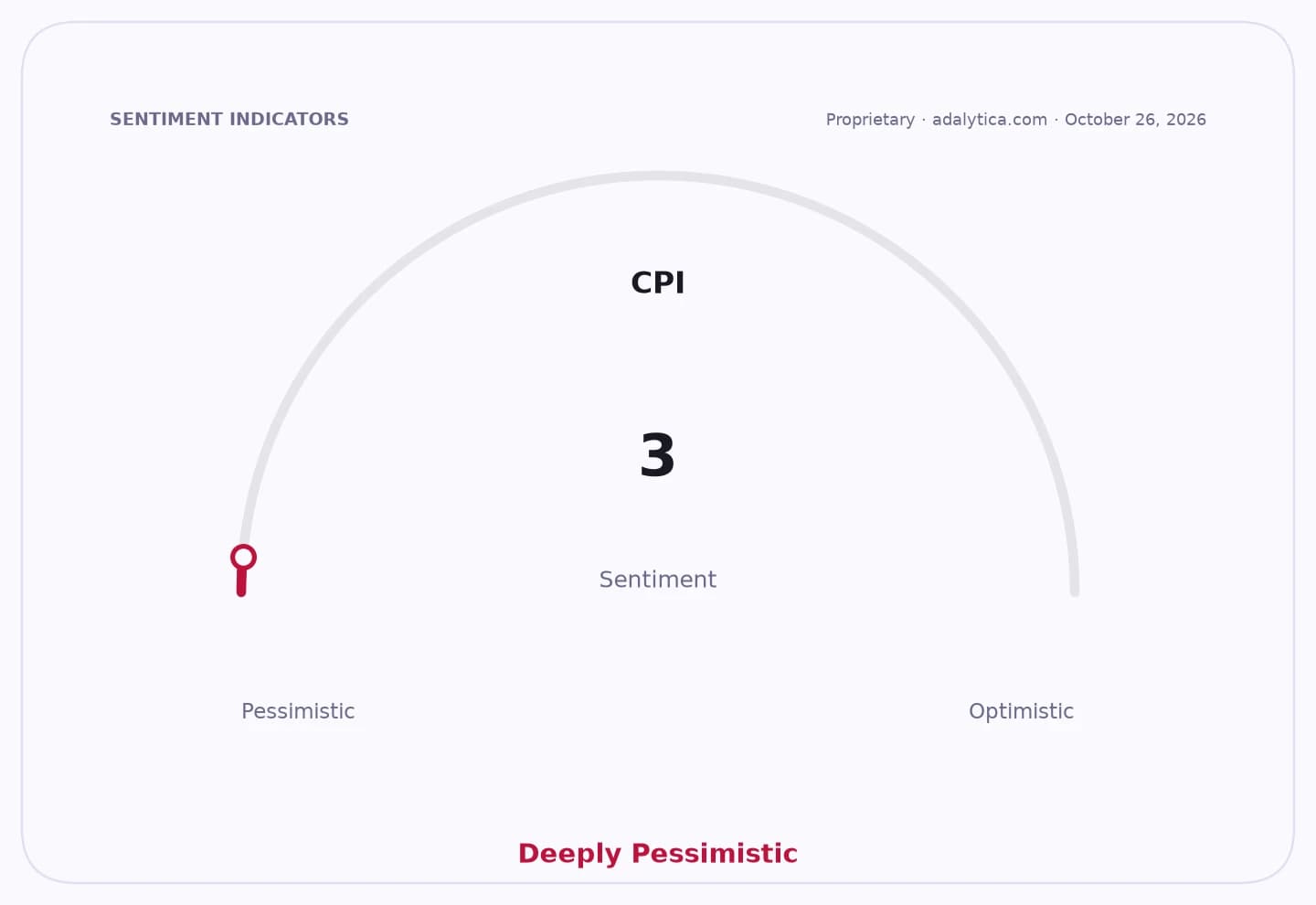
Sentiment Indicators

Philippe’s timing is notable. French household consumption is falling, consumer morale is at its weakest in more than half a century, and the state is still committed to a public deficit target of 5%, a level that leaves little room for fiscal drift. Against that backdrop, a higher minimum wage would lift labor costs for employers without necessarily fixing competitiveness, which Philippe argued is already a major problem. His prescription is the opposite of redistribution-by-fiat: encourage more hours worked, cut the tax drag on overtime and use labor income to boost purchasing power.
That makes this more than a campaign slogan. It is a direct challenge to the political appeal of wage-led demand stimulus at a time when France’s economic model is under strain. The country’s policy debate is moving toward how to fund growth without widening the deficit further, and Philippe is effectively betting that investors, employers and savers will reward discipline over immediate relief. In market terms, that keeps the pressure on French public finances and on any sector exposed to higher labor costs if wage policy turns more aggressive after the next election.
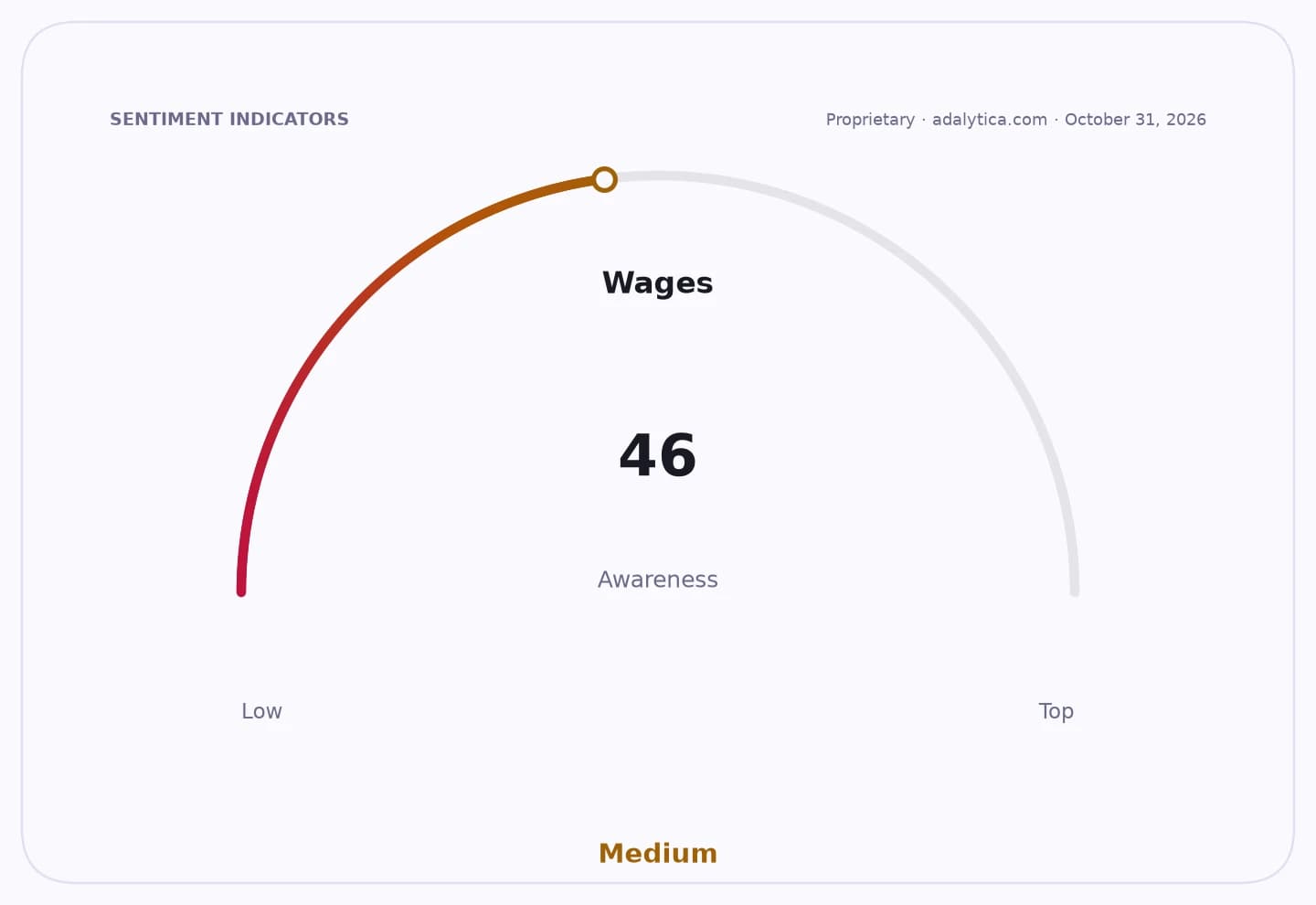
Wages
The broader investment angle is straightforward: France is entering a phase where labor policy, fiscal credibility and consumer demand will be linked more tightly than in years. If the next government leans toward higher wages and more spending, bond markets are likely to demand a larger premium for French debt and businesses with heavy payroll exposure could face margin pressure. If Philippe’s line gains traction, the beneficiaries would be exporters, capital-intensive industries and companies tied to productivity gains rather than labor inflation.
The market is still underestimating how much this debate could matter. France does not need a symbolic wage fix; it needs a productivity and fiscal reset. For investors, that means positioning for a country where the real trade is between higher nominal pay and a harder push for competitiveness, and that trade will shape everything from consumer stocks to sovereign spreads.
| Entity | Gains | Losses |
|---|---|---|
| Exporters | ▲Lower labor-cost pressure | ▼Wage-led policy shifts |
| Employers | ▲Overtime incentives | ▼Higher minimum wage |
| French bonds | ▲Fiscal discipline narrative | ▼Deficit slippage fears |
| Low-wage workers | ▲Overtime take-home pay | ▼Delayed minimum-wage hike |