Ford is betting that North American auto manufacturing still works even as President Donald Trump tries to pull production back to the United States, reopening a Canadian plant after a $3.5 billion retooling that underscores how costly — and disruptive — the tariff war has become for the industry.
Ford reopens Oakville plant after $3.5B retooling
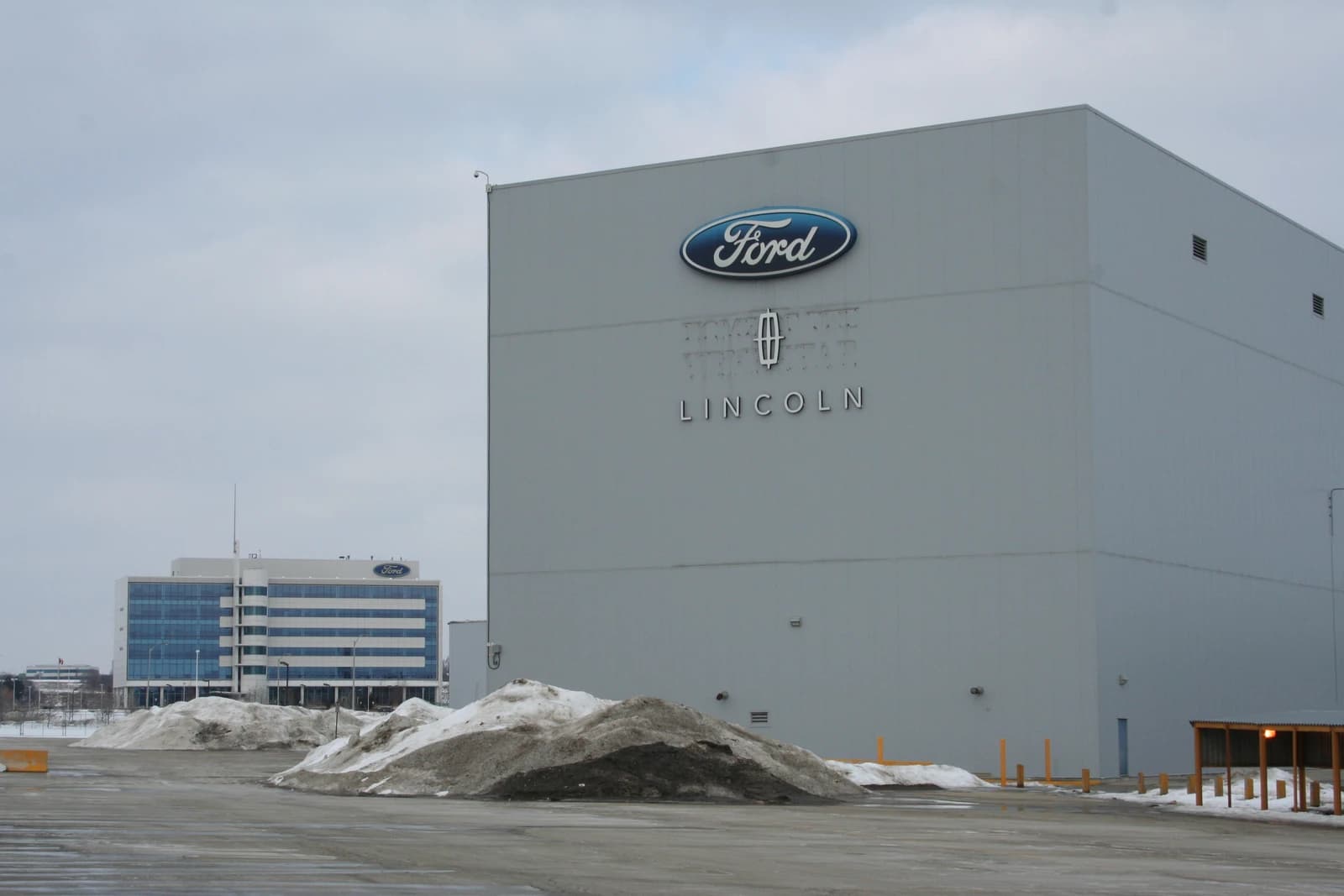
The reopening of the Oakville, Ontario facility is more than a ribbon-cutting. It is a direct rebuttal to the White House’s tariff strategy and a sign that automakers may be choosing capacity, cost and supply-chain logic over political pressure. For investors, that matters because the auto tariff fight is now shaping where billions in capital spending goes, which plants survive and which manufacturers can defend margins.
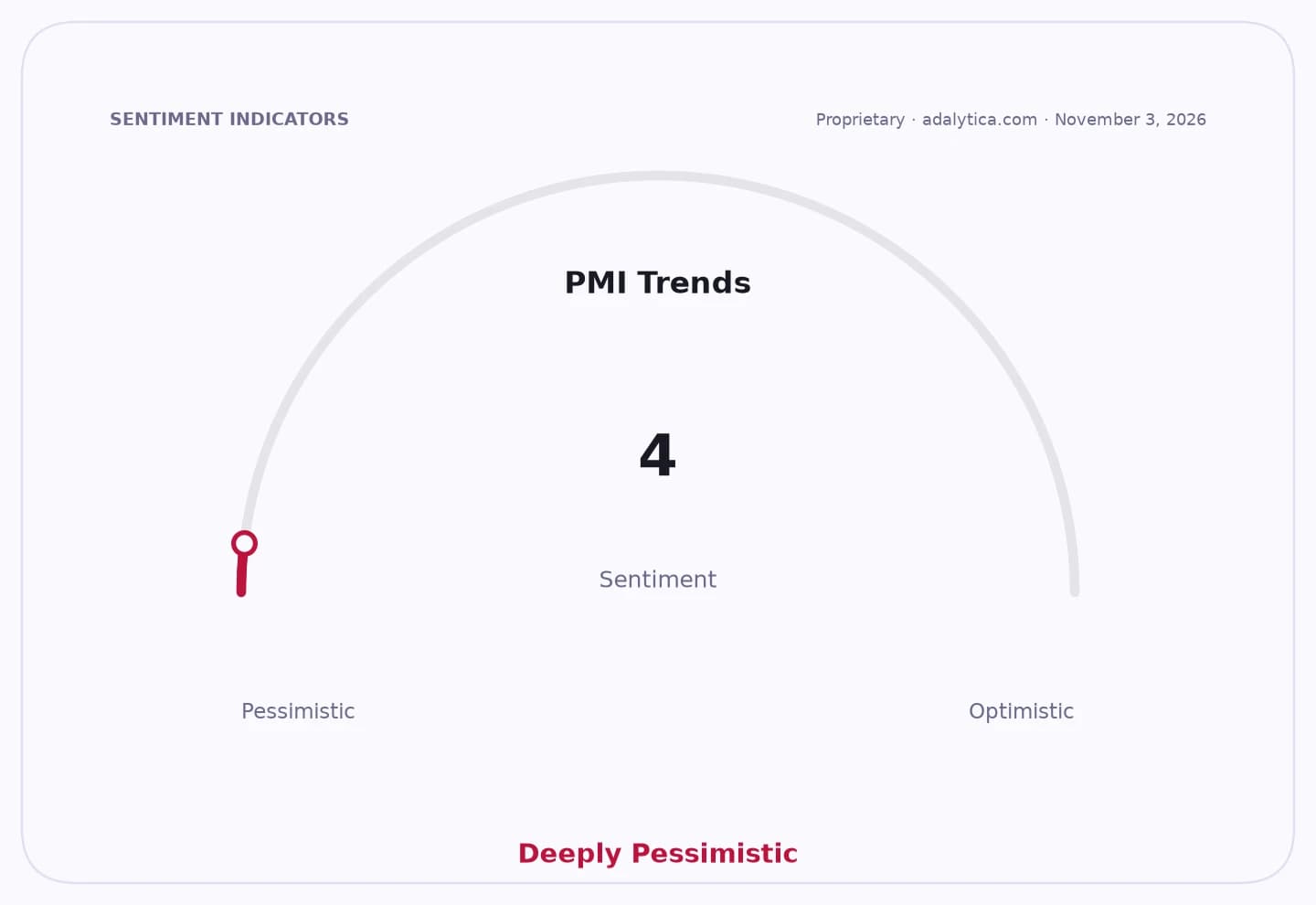
Sentiment Indicators
Ford’s Oakville plant, west of Toronto, was shut for two years while it was upgraded to make Super Duty pickup trucks, a high-value product line that should help Canada’s auto sector absorb some of the damage from Trump’s punitive duties on vehicles and parts made in Canada. Ford Canada CEO Bev Goodman said the company believes in “Canadian manufacturing” and stressed the value of an integrated North American network — a message that cuts against Washington’s push for more production to be moved south.
The project received support from the Canadian side as well, with federal and provincial governments committing a combined CAD$464 million, or about US$324 million. That public backing shows how far Ottawa and Ontario are willing to go to keep auto investment at home as the trade war threatens jobs and industrial output.
The broader stakes are already visible. Stellantis is scaling back Canadian production after abandoning plans to build the Jeep Compass in Brampton, Ontario, and later confirming the sale of that plant to a defense company. Prime Minister Mark Carney called the move a “betrayal,” a reminder that Trump’s tariff campaign is not just a negotiating tactic — it is redrawing the map of manufacturing investment across North America.
For Ford, the timing is critical. The company’s shares have been under pressure, with the stock recently sliding below both its 50-day and 200-day moving averages and its RSI dropping into oversold territory, a sign the market is still discounting the tariff overhang and broader margin risk. Yet the reopening also strengthens the case that Ford has one of the most resilient footprints among Detroit automakers because it can still lean on an integrated regional supply chain rather than starting from scratch.
That is the investment thesis the market should focus on: tariffs can distort volumes, but they also accelerate capital allocation toward the best-positioned industrial networks. Ford’s Oakville reopening is a wager that the winners in the next phase of the auto cycle will be the companies with scale, flexible production and governments willing to subsidize strategic manufacturing.
The next catalyst is whether trade talks between Washington and Ottawa can produce relief before more capacity is lost. If they do not, the pressure will intensify on automakers to split production across borders, reward the most tariff-resistant plants and abandon weaker ones. That is bullish for the best-capitalized manufacturers and the suppliers tied to their North American networks — and increasingly unforgiving for everyone else.
| Entity | Gains | Losses |
|---|---|---|
| Ford | ▲Canadian production capacity | ▼Tariff-free margins |
| Canadian governments | ▲Jobs and investment retention | ▼Fiscal outlays |
| Stellantis | ▲None | ▼Plant sales, share of output |
| U.S. tariff policy | ▲Political leverage | ▼Integrated North American supply chains |