Grocery store workers are stepping into the fight against food insecurity just as pressure on household budgets and food-aid networks is intensifying, turning a labor and community issue into a broader retail and consumer story.
Food insecurity pressure hits grocery retailers
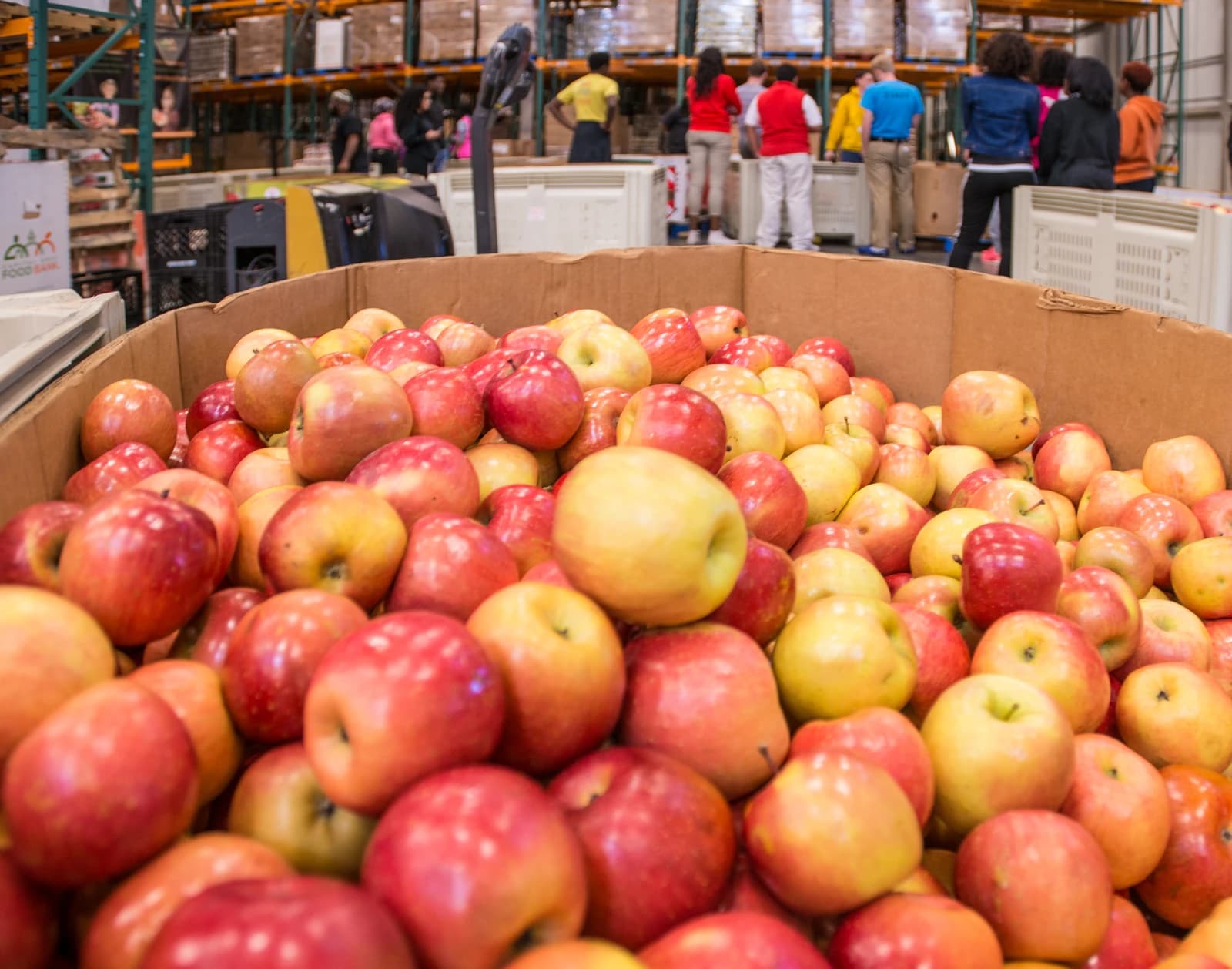
The significance is bigger than a charitable effort. When the people who stock and sell food begin organizing around hunger relief, it points to a disconnect between headline consumer-spending strength and the financial strain many households still feel at the checkout line. That strain matters for retailers, food makers and investors because grocery demand is one of the last places consumers cut, but they increasingly trade down, seek discounts and lean on assistance programs when wages lag prices.
Sentiment IndicatorsⓘProprietary · adalytica.com · September 20, 2026
This is a snapshot — live sentiment, awareness and momentum for 130+ markets update continuously in the dashboard.Open AlphaPulse
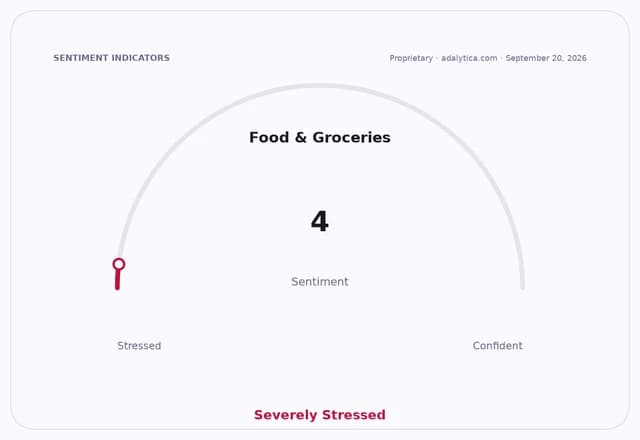
Adalytica’s Food and Grocery Spending Sentiment gauge is flashing extreme fear at 4, down 73 points over the past month, even as the broader Consumer Spending Sentiment remains in greed territory at 81. That split captures the core tension in the sector: aggregate spending may still look resilient, but food budgets are under acute pressure for a meaningful share of households. In practical terms, that can lift traffic at value-oriented chains while squeezing margins and product mix across the industry.
For Walmart, Kroger and Target, the implication is two-sided. Grocery-led retailers can benefit from shoppers trading down and consolidating trips, but they also face heavier demand for low-price private-label goods, more reliance on promotions and a tougher backdrop for premium categories. Walmart’s shares have held above their 50-day moving average at $107.84, but the stock’s recent retreat from a peak above $130 shows investors are still weighing valuation against signs of consumer stress. Kroger has also recovered from summer weakness, with the stock at $60.00 versus a 200-day moving average of $63.07, suggesting the market is not yet pricing a clean rebound in grocery profitability.
Food & Groceries — 30-day sentimentadalytica.com
Explore this data interactively — full history, time series and cross-market comparisons.Open AlphaPulse

The move by workers to organize around food insecurity also reflects a wider policy and social backdrop. Food banks are reporting stronger demand, and looming cuts to nutrition assistance have heightened the risk that more families will rely on local support networks. That can create modest upside for grocers that partner with community food programs, but it also underscores how little room there is for real income growth to absorb higher staple costs.
Investors should read the story as a consumer-demand warning, not just a social one. If food insecurity continues to rise, the winners are likely to be discounters, mass merchants and private-label suppliers. The losers are premium grocers, branded packaged-food companies and any retailer dependent on discretionary basket growth. The next catalysts will be whether wage growth, benefit policy and food inflation ease the pressure or whether the need for emergency food support keeps spreading into the core consumer economy.
| Entity | Gains | Losses |
|---|---|---|
| Discount grocers | ▲Higher traffic | ▼Lower-income shoppers under strain |
| Walmart/Kroger | ▲More value basket share | ▼Margin pressure from promotions |
| Food banks/community groups | ▲More visibility and support | ▼Overwhelmed capacity |
| Premium grocers/branded food makers | ▲— | ▼Trade-down and weaker mix |