Ferrari’s biggest strategic shift in years is the arrival of its first SUV, the Purosangue, a move that could unlock a much larger profit pool for the Maranello brand without diluting its luxury pricing power.
Ferrari Purosangue SUV and hybrid expansion
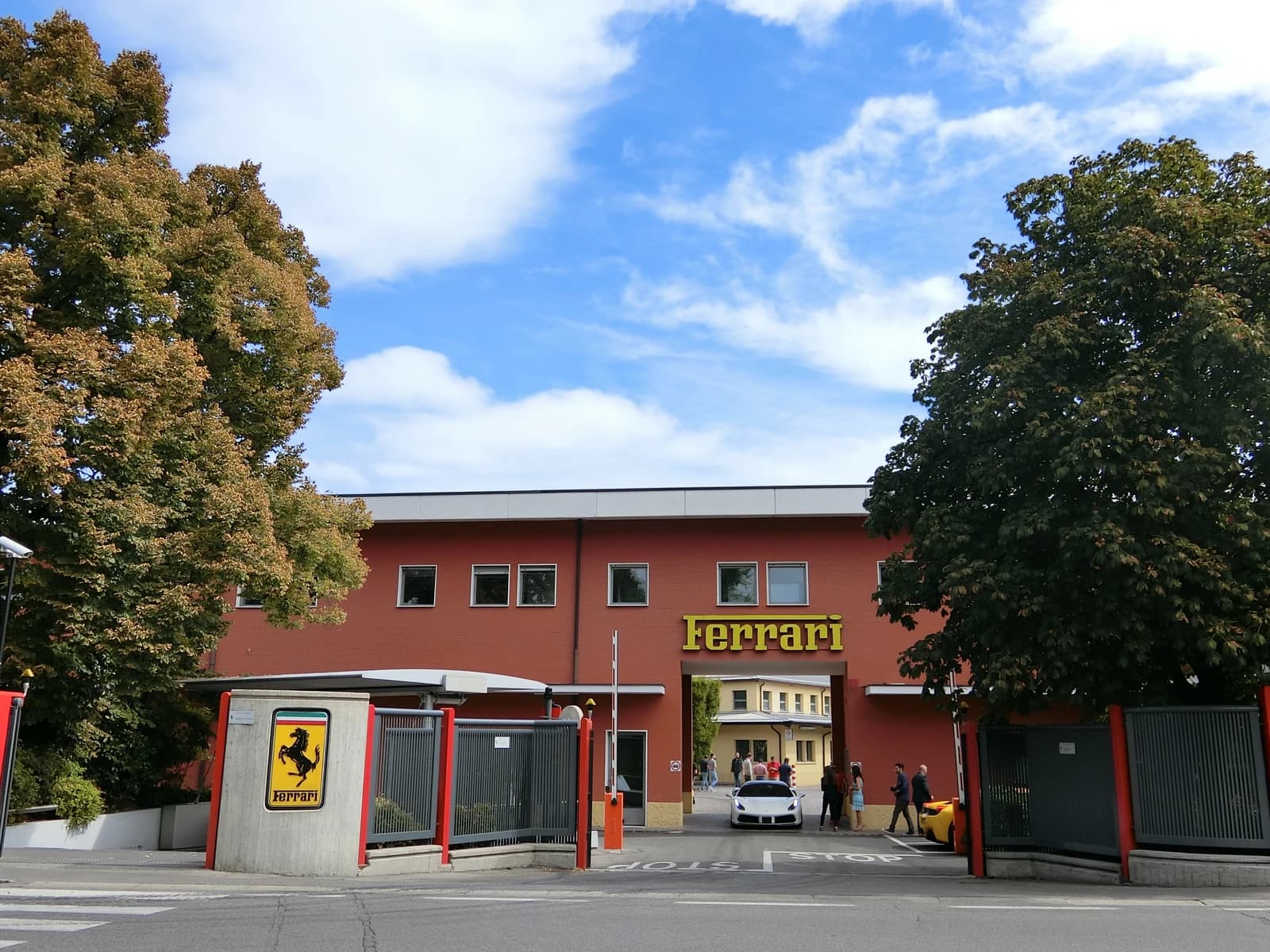
That matters because Ferrari is not chasing volume for volume’s sake. It is broadening its lineup into the fastest-growing corner of the premium market while keeping the kind of scarcity that supports margins. The Purosangue is due in 2022, will use a hybrid powertrain built around a gasoline engine, and Ferrari says 60% of its range will have hybrid systems by then, a sign the company is trying to convert Formula 1-derived technology into commercial advantage.
Sentiment Indicators
For investors, the real story is not just that Ferrari is entering the SUV segment. It is that management is laying out a roadmap for 15 new models through 2022 and a goal of at least €2.3 billion in annual net profit by then. That is the kind of target that can re-rate a stock if execution holds, particularly for a company whose brand equity lets it charge far more than mainstream automakers can.
The Purosangue also puts Ferrari squarely in the center of one of the auto industry’s most powerful profit engines. SUVs remain the most lucrative body style in global carmaking because buyers pay up for size, comfort and status. For Ferrari, that demand is even more attractive: the company can tap new customers while preserving exclusivity through limited production and high specifications. In other words, this is a luxury expansion, not a mass-market pivot.
The lineup overhaul supports that thesis. Ferrari plans to organize its cars into four families — Sport, Gran Turismo, special editions and the ultra-exclusive Icona line — a structure designed to keep the brand disciplined as it grows. That matters because the market’s biggest fear with any iconic automaker is brand overreach. Ferrari appears to be trying to avoid that trap by adding breadth without abandoning its pricing architecture.
The timing is also important. Global auto demand is shifting toward electrification and higher-margin utility vehicles, while buyers increasingly want performance brands to offer cleaner powertrains. Ferrari’s hybrid push suggests it sees the next phase of growth coming from technology content as much as from badge appeal. That creates a second-order benefit for suppliers tied to batteries, power electronics and performance hybrid systems.
I believe the market still underestimates how much incremental profit Ferrari can generate by combining a luxury SUV, hybridization and strict supply discipline. If the company executes, the Purosangue is not a one-off curiosity — it is the opening move in a broader earnings expansion.
For investors, the takeaway is straightforward: Ferrari remains one of the clearest long-duration luxury compounders in autos, and the Purosangue gives the company a new catalyst that could support premium valuations well beyond the launch date.
| Entity | Gains | Losses |
|---|---|---|
| Ferrari | ▲Higher-margin sales mix | ▼Brand dilution risk |
| Ferrari shareholders | ▲Earnings re-rating potential | ▼Execution slippage |
| Premium SUV rivals | ▲Category validation | ▼Scarcer luxury demand |
| Traditional automakers | ▲Benchmark for profitable EV/hybrid luxury | ▼Pressure to match margins |