Ferrari’s struggle to close the speed gap to Mercedes and other Formula 1 rivals is turning into a bigger competitive problem than a simple aero upgrade, with team boss Fred Vasseur saying engine development is constrained by long lead times, cost limits and the need to build new power-unit batches.
Ferrari warns engine gap may persist into 2026
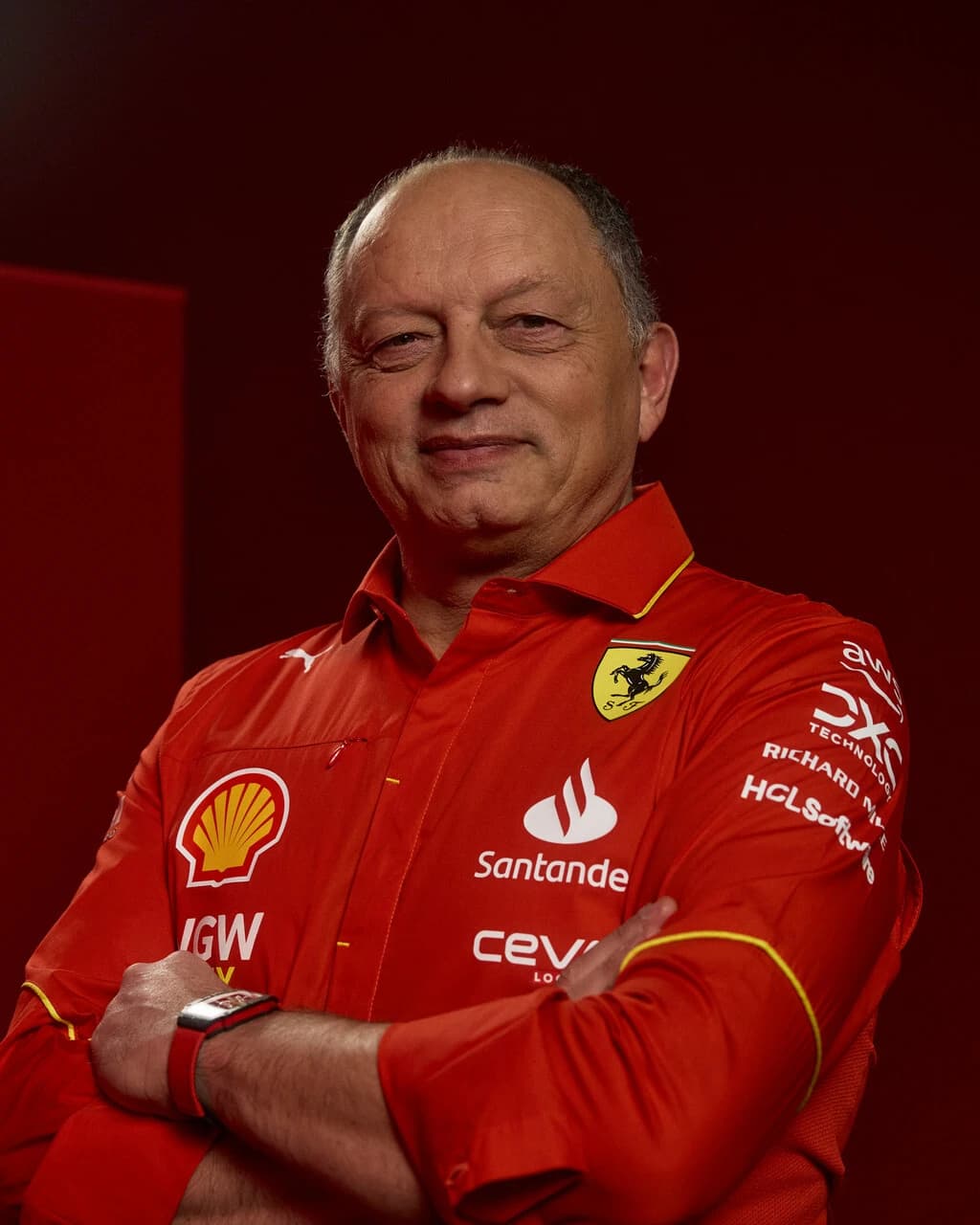
That matters because Formula 1’s 2026 regulation cycle is supposed to reset the pecking order, but Ferrari is already warning that the hard part is not just finding more downforce or refining the chassis. The team can make relatively quick gains on the aerodynamic side, Vasseur said, but power-unit progress is slower and more expensive, leaving Ferrari at risk of entering the next phase still trailing on straight-line speed.
Sentiment IndicatorsⓘProprietary · adalytica.com · September 20, 2026
This is a snapshot — live sentiment, awareness and momentum for 130+ markets update continuously in the dashboard.Open AlphaPulse
Lewis Hamilton reinforced that concern after the Italian Grand Prix, pointing to Ferrari’s lack of peak speed even after the latest engine upgrade. In practical terms, that means Ferrari is being punished where modern F1 races are often decided: on power-sensitive circuits, in qualifying and in overtaking defense. A deficit of only a few tenths of a second can translate into multiple grid positions, making the problem disproportionately costly over a season.
Vasseur said Ferrari does not expect FIA’s ADUO support program to erase the gap, describing the gains as incremental rather than transformative. “If you make a small step on the engine, remember that behind us, it is fractions of a second,” he said. “Even if you add a few horsepower, it is a good step on the grid.” That is the key investor and competitive takeaway: in F1, small technical shortcomings compound into points, podiums and prize-money consequences.
The issue also underscores a broader strategic tension in the sport. Aero development can be iterated more quickly, but engine programs are locked into longer production cycles, tighter expense controls and manufacturing constraints. Ferrari’s challenge is therefore not simply engineering talent; it is whether it can align its power-unit roadmap with a rulebook that punishes slow starts and rewards teams that nail the transition early.
For Ferrari, the bear case is that rivals such as Mercedes continue to set the benchmark on speed while the Scuderia spends the next phase trying to catch up. The bull case is that a fresh engine next year gives it a cleaner reset and a chance to narrow the gap if execution improves. Either way, the central question for the team is no longer whether it can find performance — it is whether it can find it fast enough to matter on the grid.
| Entity | Gains | Losses |
|---|---|---|
| Mercedes | ▲Maintains speed benchmark | ▼Faces less competitive pressure |
| Ferrari | ▲New engine reset next year | ▼Straight-line pace deficit |
| Rival F1 teams | ▲Opportunity to extend lead | ▼None material |
| FIA ADUO program | ▲Credibility as a catch-up tool | ▼Limited impact if gaps persist |