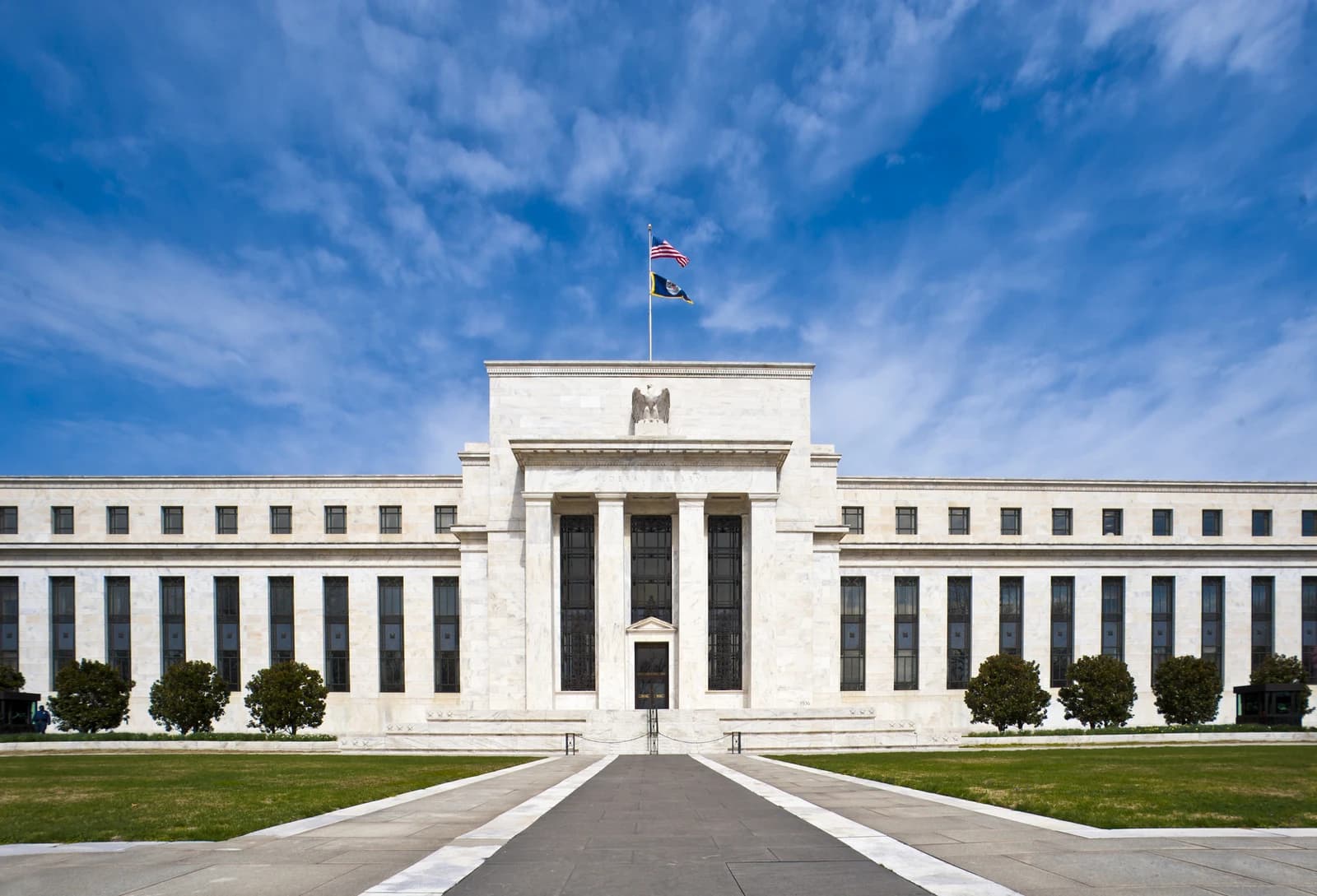
The Federal Reserve’s most diverse leadership in history is taking on the inflation fight just as policymakers keep rates elevated and signal they are not done yet.
Fed Diversity and Higher-for-Longer Rates

That matters because the central bank is trying to thread a narrow path: inflation is still above target, core consumer prices rose 3.1% in September, and the Fed has kept its benchmark rate unchanged while indicating the possibility of at least two more hikes. A more varied leadership slate does not alter the inflation arithmetic, but it does shape how the world’s most important central bank interprets data, weighs labor-market risks and communicates policy at a moment when every basis point matters for borrowing costs, asset prices and recession odds.
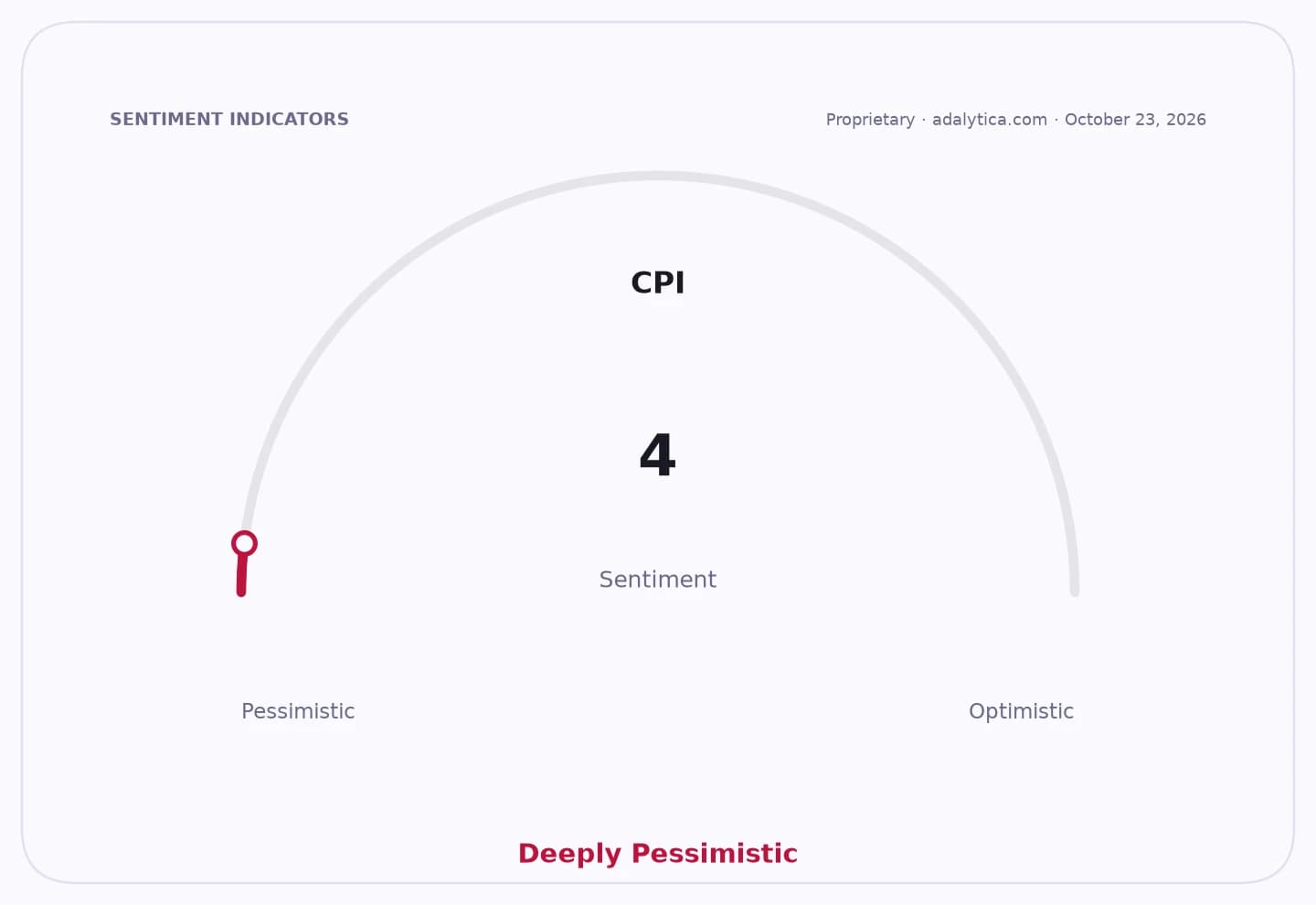
Sentiment Indicators
For investors, the combination is especially important. Higher-for-longer policy has already pushed up Treasury yields, tightened financial conditions and kept pressure on rate-sensitive areas such as housing, small-cap equities and long-duration bonds. The 10-year Treasury yield was trading around 5%, underscoring how persistent inflation fears have reset the market’s view of policy. At the same time, Treasury bond ETF TLT has bounced to about $81.84, but it remains below its 200-day moving average, a sign the longer-term trend in bonds is still fragile even after recent gains. Its RSI is elevated at 76.5, suggesting the rally may be stretched in the short term.
The Fed’s leadership shift is also part of a broader institutional story. More women and people from a wider range of backgrounds now hold senior roles, a sharp contrast with the central bank’s earlier, far less representative era. That matters not because identity changes policy mechanically, but because it can broaden the range of views brought into deliberations on inflation, employment and financial stability. In a period when the Fed is balancing sticky price pressures against stronger-than-expected growth, broader perspective may improve the odds of better judgment — or at least clearer debate.
Hawkish vs Dovish Sentiment vs TLTadalytica.com
Explore this data interactively — full history, time series and cross-market comparisons.
Hawkish vs Dovish
The inflation backdrop remains messy. US GDP growth in the third quarter came in stronger than expected, complicating the case for an early pause. Abroad, inflation trends are diverging: Germany’s inflation slowed to 2.8% in October, while the UK saw prices accelerate to 3.5%, keeping the door open to more tightening there. In South Africa, inflation edged up to 4.5% as transport costs rose. That uneven global picture reduces the chance of a clean disinflation story and keeps central banks on alert.
Markets are already reflecting that tension. Adalytica’s Hawkish vs Dovish Fed Policy Sentiment gauge sits at 89, in “Extreme Greed,” while its Forward Guidance Sentiment is 75, indicating traders are leaning hard toward a hawkish policy path. The signals are consistent with the Fed’s own message: inflation is not yet conquered, and rates are likely to stay restrictive for longer than many borrowers and equity investors hoped.
The bull case is that a more diverse Fed may make the institution more resilient, more attuned to distributional effects and less prone to groupthink as it decides how far to push rates. The bear case is that diversity will not matter if inflation stays stubborn and the Fed must keep tightening into slowing growth, extending pressure on risk assets and raising the odds of a policy mistake.
For investors, the key catalyst is the next round of inflation and growth data. If price pressures cool without a sharp loss of momentum, the Fed may still engineer a soft landing. If core inflation remains sticky, the market will have to price in a longer period of expensive money — and that would keep Treasury yields, the dollar and rate-sensitive assets at the center of the trade.
| Entity | Gains | Losses |
|---|---|---|
| Fed leadership diversity | ▲Broader perspective | ▼No shortcut to lower inflation |
| Treasury bond investors | ▲Rally potential on dovish data | ▼Yield volatility, policy uncertainty |
| Borrowers | ▲Relief if inflation eases | ▼Higher financing costs |
| Equities, especially rate-sensitive sectors | ▲Softer yields if disinflation resumes | ▼Margin pressure from restrictive rates |