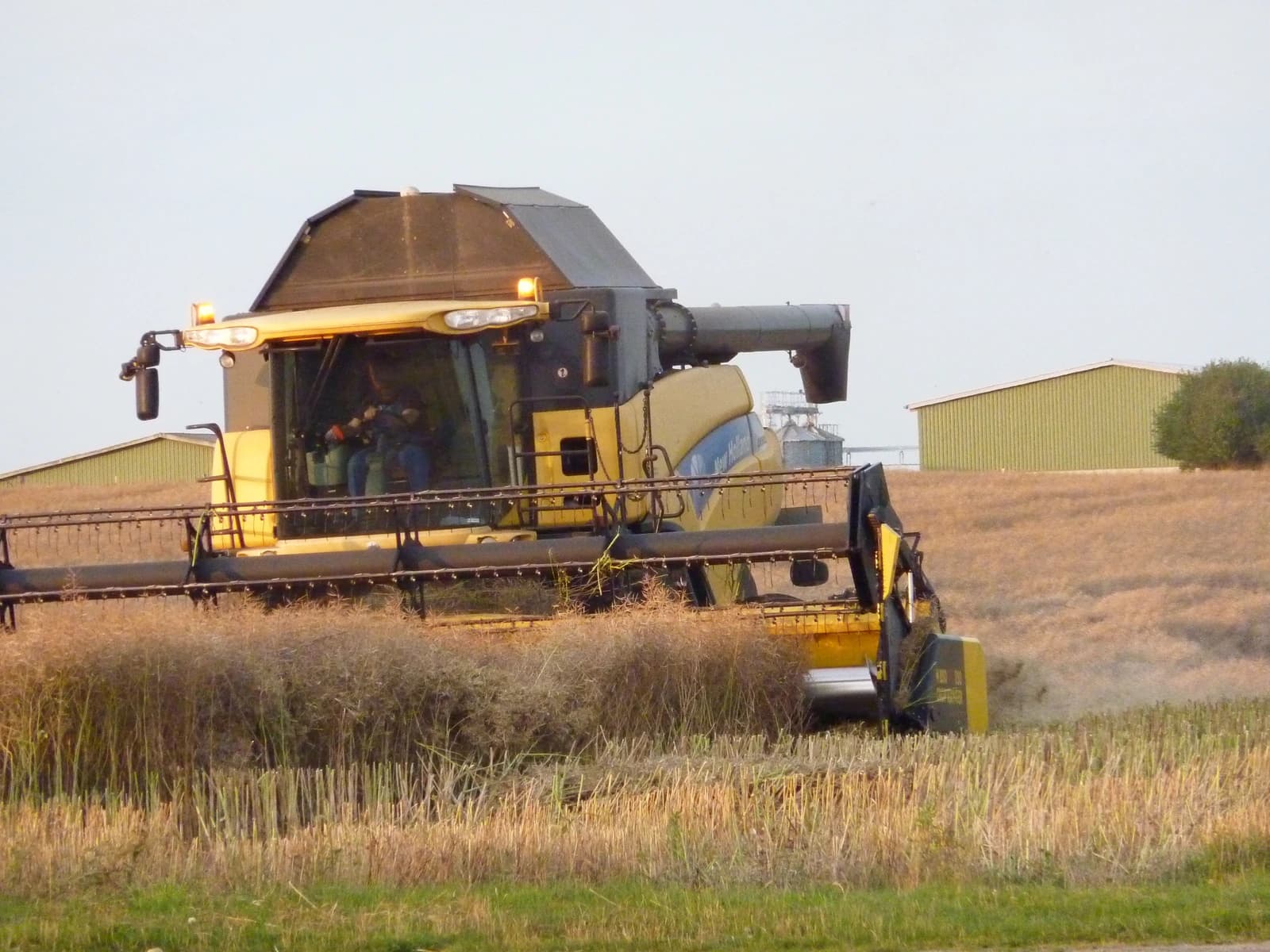
A weaker harvest is feeding through to higher edible-oil prices, and Fabio Produkt, the family company behind Manka, is responding by seeking to expand its own land base to reduce its dependence on volatile crop markets.
Fabio Produkt expands farmland to cut oil cost swings
That shift matters because it shows how food manufacturers are trying to protect margins from a squeeze that has come from two sides at once: rising input costs and a market that no longer looks likely to deliver the post-harvest price relief producers had expected. Fabio says oilseed prices have kept rising after the crop came in poor, pushing up contract prices for next year and forcing another round of price increases for cooking oils. The company’s sales rose 11.3% to 3.81 billion korun in 2025, but EBITDA fell 8% to 120.8 million korun as higher commodity, wage and project-preparation costs weighed on profitability.
Sentiment IndicatorsⓘProprietary · adalytica.com · September 22, 2026
This is a snapshot — live sentiment, awareness and momentum for 130+ markets update continuously in the dashboard.Open AlphaPulse
For consumers, the squeeze is already visible at the shelf. Fabio’s management says retail chains still run frequent promotions that often lag market realities, meaning some discounted oils are likely being sold from older contracts rather than current procurement costs. That keeps pressure on the industry’s already thin margins and makes further price increases hard to avoid. The company said a litre of oil that sold for about 30 korun last year may now need to fetch around 35 korun.
For investors, the more important strategic move is Fabio’s push to own or control more farmland. The company already farms about 420 hectares through its Fabio Agro unit and is buying additional land nearby. Management says it will pursue any suitable agricultural business for sale, including outside the Czech Republic, with decisions driven by soil quality and local conditions rather than geography. That is a classic vertical-integration play: secure feedstock, reduce exposure to spot-market swings and capture more value up the chain.

The timing fits a broader raw-material backdrop that remains supportive of agricultural inflation even as energy prices have eased from peaks. Soybean prices remain elevated, with benchmark soy ETF prices trading well above their 50-day and 200-day moving averages, while oil benchmarks have also stayed firm enough to keep pressure on processors. Adalytica’s oil and corn gauges are both sitting in neutral territory, which suggests markets are not pricing panic, but neither are they pointing to quick relief for buyers.
Fabio is also trying to blunt the impact through diversification. Beyond food oils, it processes oils into lubricants, supplies bakery inputs, makes feed and is expanding into soy crushing, lecithin extraction and high-protein feed. The logic is straightforward: household oil consumption is weakening, low-cost imports from Ukraine are intensifying competition and agricultural volatility is making a single-product model harder to defend.
The bull case for Fabio’s strategy is that farmland ownership, regenerative farming and broader processing capacity could stabilize supply and margins over time. The bear case is that the model demands capital, regulatory attention and execution at a time when the company is already facing higher audit costs, energy inflation and softer consumer demand. For investors and industry peers, the message is clear: in edible oils, control over land and raw materials is becoming as important as branded shelf space.
| Entity | Gains | Losses |
|---|---|---|
| Fabio Produkt / Manka | ▲More control over supply | ▼Higher capital and execution burden |
| Consumers | ▲None in the short term | ▼Higher retail oil prices |
| Retail chains | ▲Promotional volume | ▼Margin pressure on discount oil |
| Farmers / land sellers | ▲Asset-sale demand | ▼Less available land for others |