Exxon Mobil is now earning more from turning crude into diesel and other fuels than from simply pumping oil, underscoring how the global fuel squeeze has shifted profit power toward refiners and away from upstream producers.
Exxon Mobil gains more from refining than crude

That matters because diesel is the bottleneck in today’s oil market. Supply is tight, winter demand is rising and refinery outages and delayed maintenance are keeping a lid on output, pushing refining margins higher even as crude prices remain far less explosive than they were in past spikes.
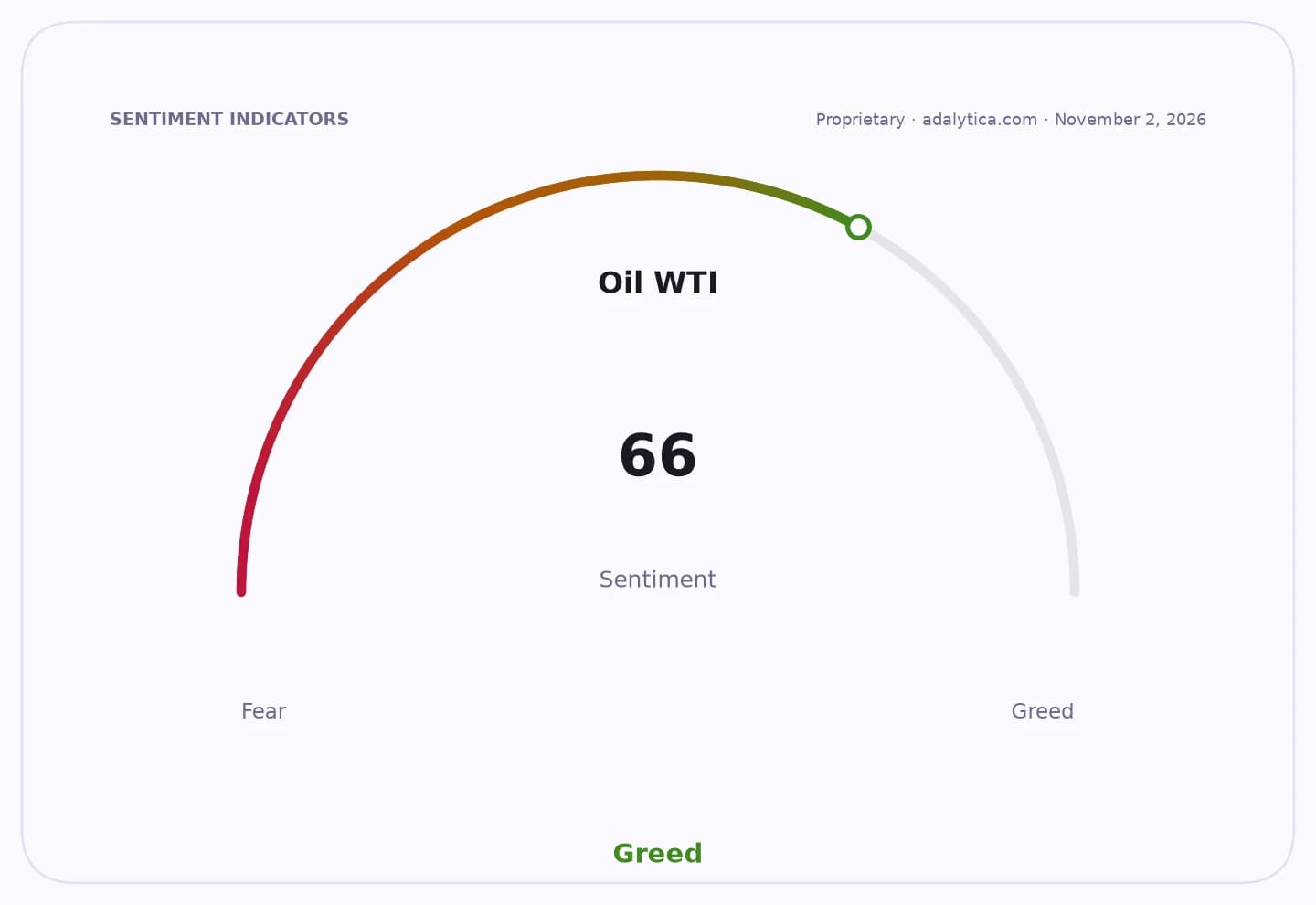
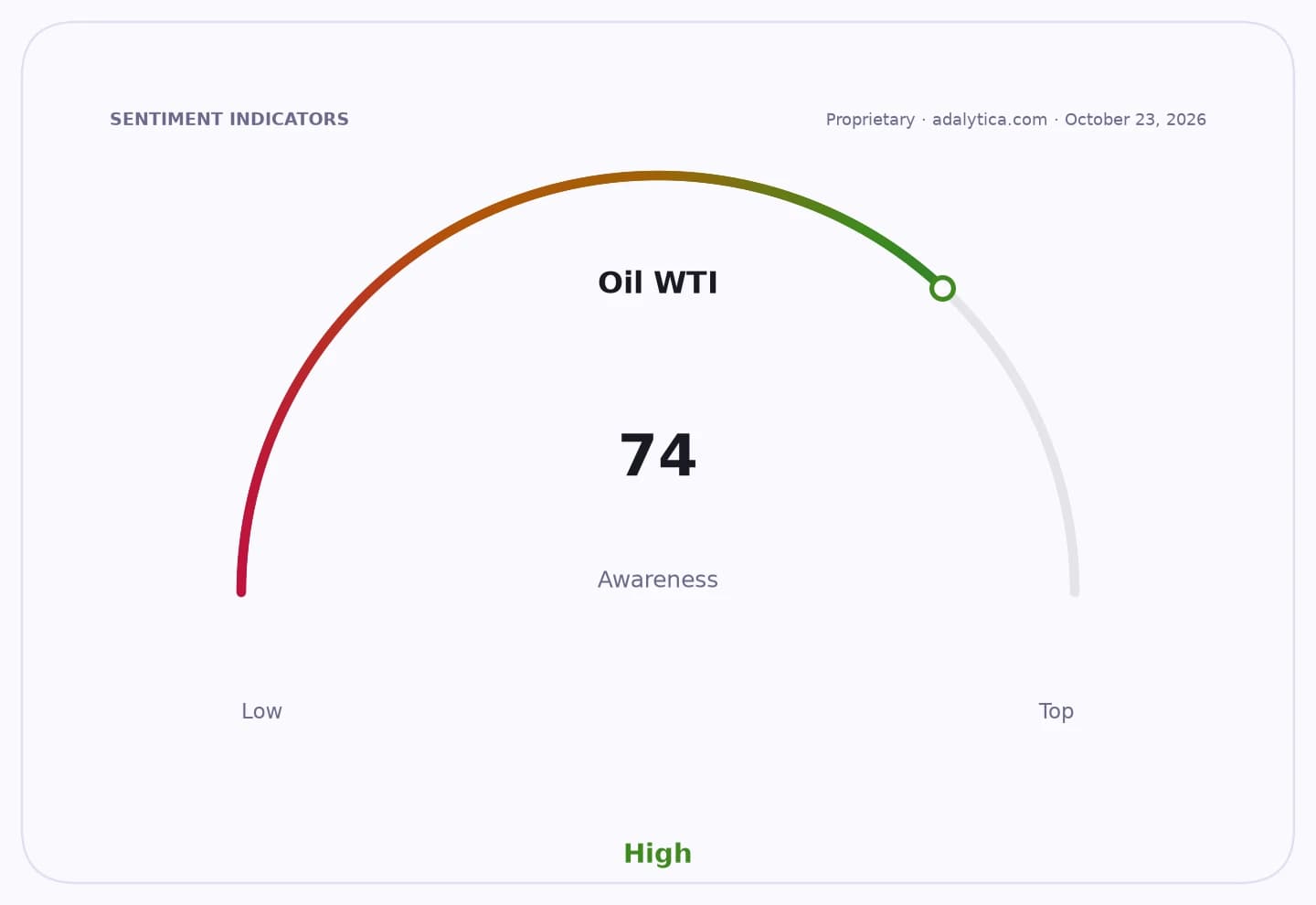
Sentiment Indicators
The trade is showing up across the sector. Chevron, Valero and other refiners have benefited from stronger crack spreads, while Exxon has leaned harder into its downstream network to capture the premium on diesel production. The Street’s read is that fuel-making, not drilling, is currently doing more of the heavy lifting for integrated oil earnings.
Crude itself is still supportive, but not the main event. U.S. West Texas Intermediate was last around $105.26 a barrel in the forecast for Oct. 28, after trading near $103.37 in the latest reading, while the 10-year Treasury yield sat near 4.94% and the 2-year at 4.56%, keeping financing conditions tight even as energy names outperformed. Exxon shares closed at $179.67 on Nov. 2, down from $187.25 two sessions earlier, but still well above the 50-day moving average of about $168.
Chevron also remains firmly in the money from refining, with its stock at $227.77 after a recent run toward $235.52. Valero’s shares, meanwhile, have been far more volatile after a huge summer rally, falling back to $381.46 from $399.66 and leaving the stock near the bottom of its recent range even as diesel margins stay elevated.
The broader backdrop is geopolitical as much as commercial. Russian officials have warned that attacks on refineries could further crimp diesel supplies, and governments from the U.S. to Europe are trying to preserve fuel availability. That keeps the market focused on refining capacity, not just crude output, and leaves integrated majors with strong downstream exposure better positioned than pure producers if diesel stays scarce into winter.
For investors, the next catalyst is whether the diesel tightness persists long enough to offset softer crude sentiment and whether refinery utilization can rise fast enough to ease the squeeze. If not, the cash flow trade remains with refiners and integrated oil majors that can monetize the gap between crude feedstock and finished fuel.
| Entity | Gains | Losses |
|---|---|---|
| Exxon Mobil | ▲Higher refining margins | ▼Upstream-only profit mix |
| Refiners | ▲Stronger diesel crack spreads | ▼Tight crude-to-product supply |
| Diesel consumers | ▲Limited relief from winter demand | ▼Higher pump and freight costs |
| Pure oil producers | ▲Stable crude revenue | ▼Missed downstream windfall |