The European Union is moving to bar India from importing metal scrap, including aluminium scrap, from May 2027, a policy shift that could tighten global scrap flows, lift feedstock costs for recyclers and force one of the world’s biggest buyers to scramble for alternative supply.
EU Scrap Export Rules Could Pressure Indian Recyclers
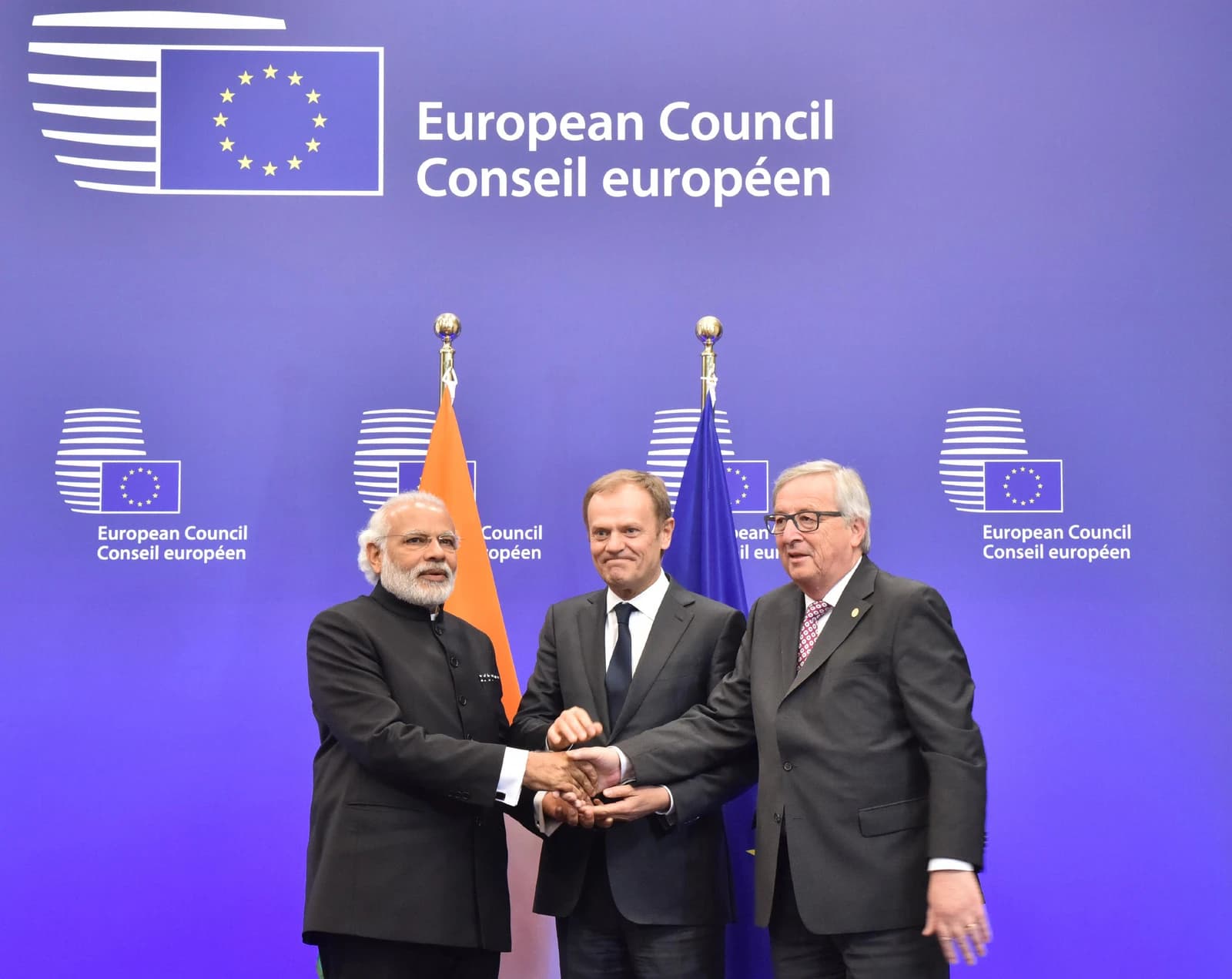
That matters because scrap is not just waste; it is the cheapest, most carbon-efficient raw material in the metals chain and a critical input for India’s fast-growing secondary aluminium industry. If Europe follows through, the loss of a major source of low-cost scrap could pressure Indian recyclers, raise replacement costs and support prices for competing scrap streams in other markets.
The European Commission’s proposal, published Friday, would apply under the bloc’s Waste Shipment Regulation and follows a separate plan to impose a 15% export duty on aluminium scrap that was later dropped after pressure from India. Brussels now says the same goal — keeping more scrap inside Europe — can be achieved through waste rules rather than trade measures. For Europe’s smelters and recyclers, that is a win: more feedstock retained at home could improve access to low-cost material and ease a structural supply crunch that has weighed on the region’s metals sector.
For India, the economics are less forgiving. The country has become a major destination for European metal waste, especially aluminium scrap, as its recycling capacity expands alongside demand from autos, construction and packaging. Cutting off that channel would not stop India’s recycling story, but it would make it more expensive and more domestically constrained at a time when global buyers are already competing for scrap. That raises the odds of substitution toward imported primary metal, more aggressive domestic collection, and higher margins for firms that control scrap aggregation, sorting and processing.
Investors should view this as a second-order but important policy catalyst for the aluminum value chain. The market often treats scrap as a low-visibility input, but in practice it can move margins as much as energy costs or bauxite. A tighter European export regime is constructive for integrated and recycling-focused producers with secure feedstock, while it is a headwind for firms dependent on imported scrap and for traders whose business model relies on arbitrage across regions.
The proposal also underscores a broader theme: governments are tightening control over strategic industrial inputs under the banner of sustainability and supply security. Europe wants to keep more metal waste at home, India wants access to cheap recycled feedstock, and the result is likely to be a rerouting of trade rather than a clean policy win for either side. The key for investors is to position ahead of the next leg in scrap scarcity, not after it shows up in margins.
| Entity | Gains | Losses |
|---|---|---|
| European scrap processors | ▲More retained feedstock | ▼Less export competition |
| Indian recyclers | ▲Domestic collection upside | ▼Cheaper EU scrap access |
| European smelters | ▲Better raw material availability | ▼Less outbound scrap supply |
| Scrap traders/exporters | ▲Higher price volatility | ▼Arbitrage disruption |