The European Union increased imports of Russian liquefied natural gas by 10% in the first nine months of the year, underscoring how the bloc’s effort to cut energy ties with Moscow is still colliding with immediate supply needs and volatile global LNG markets.
EU Russian LNG imports rose 10% in first nine months
EU purchases of Russian LNG reached 16.5 billion cubic meters from January through September, according to Bruegel data cited by Russian state media. The volume hit a record 2.459 billion cubic meters in March, then eased before rebounding in September to 1.088 billion cubic meters, 1.6 times the prior month’s level.
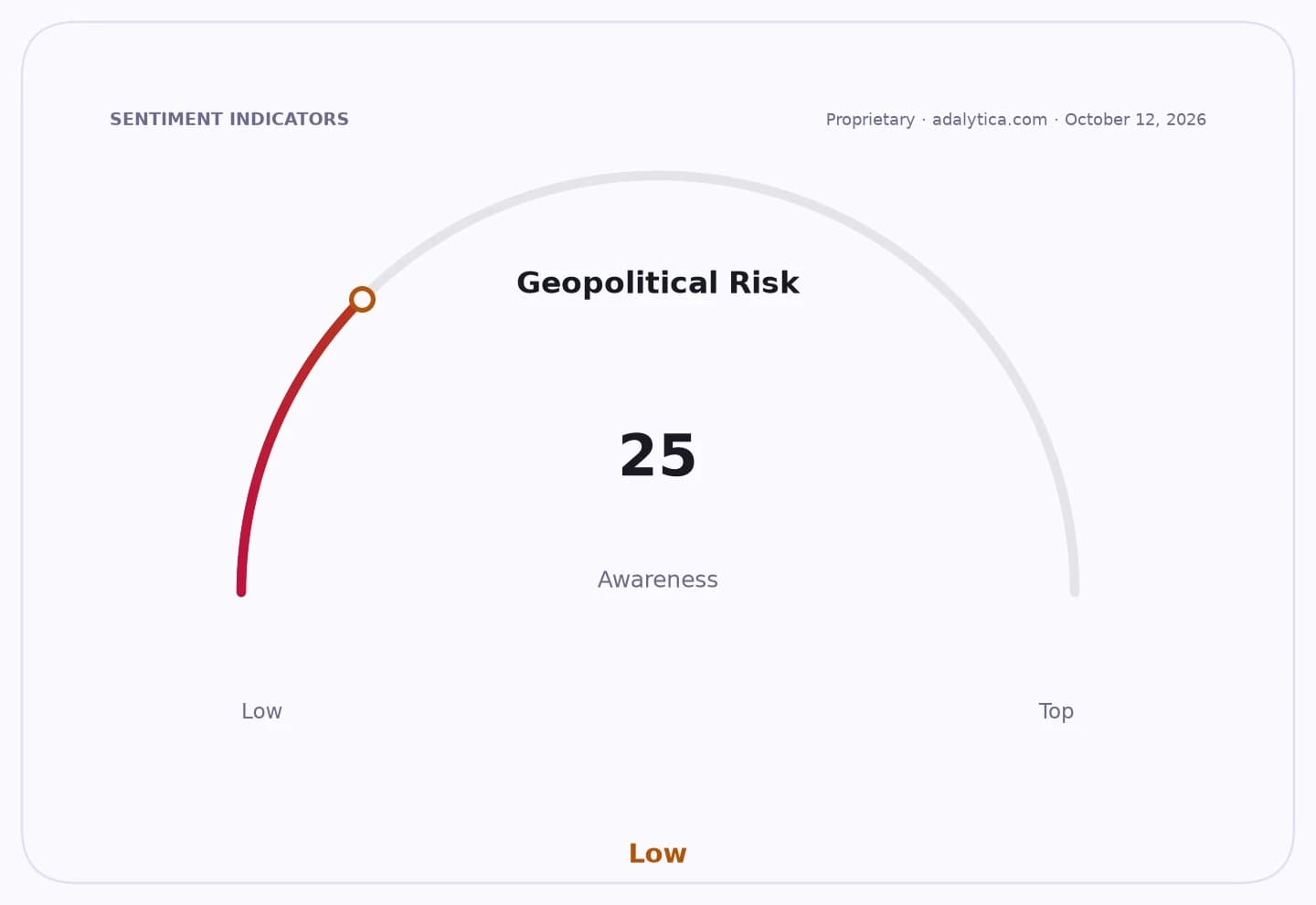
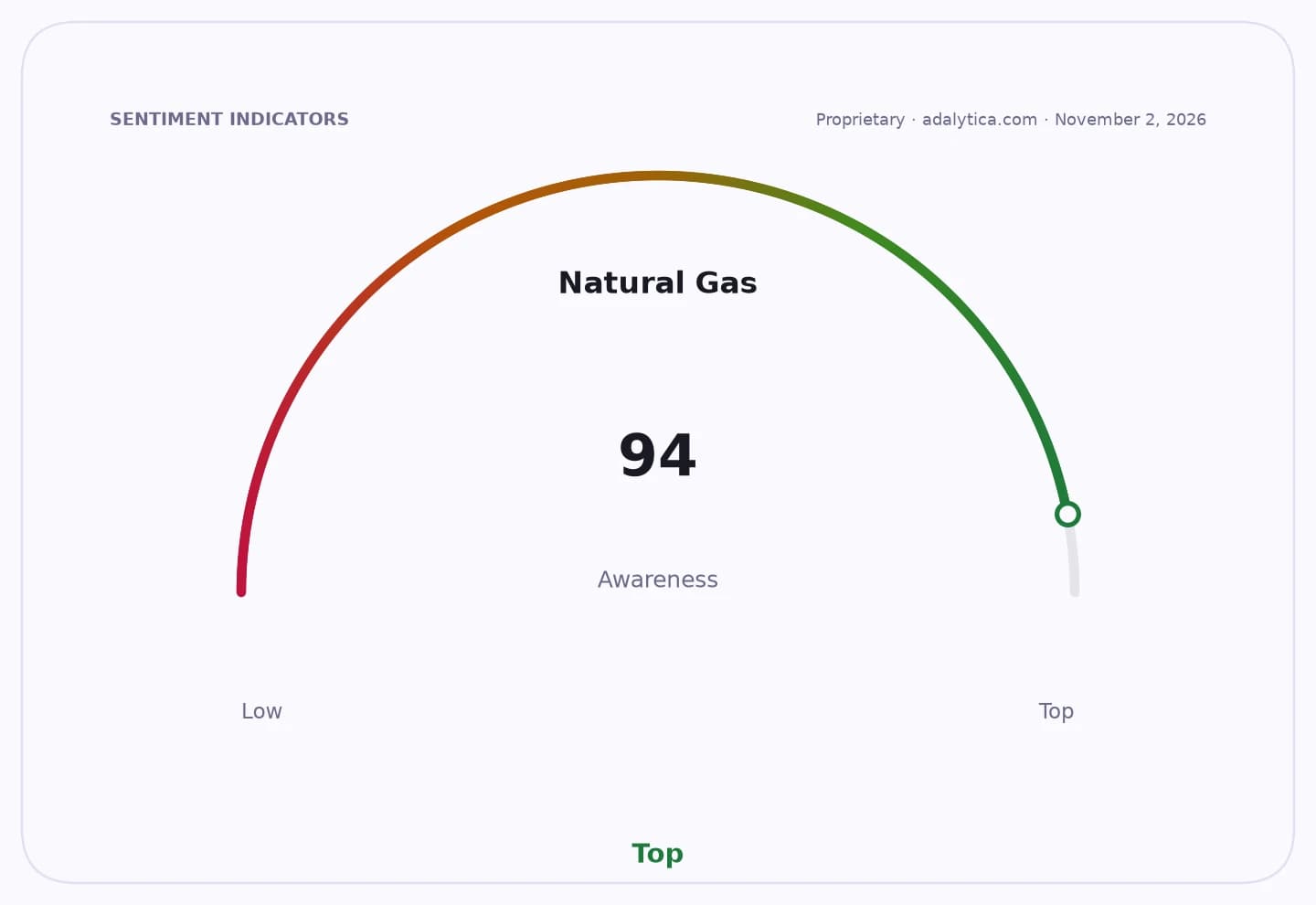
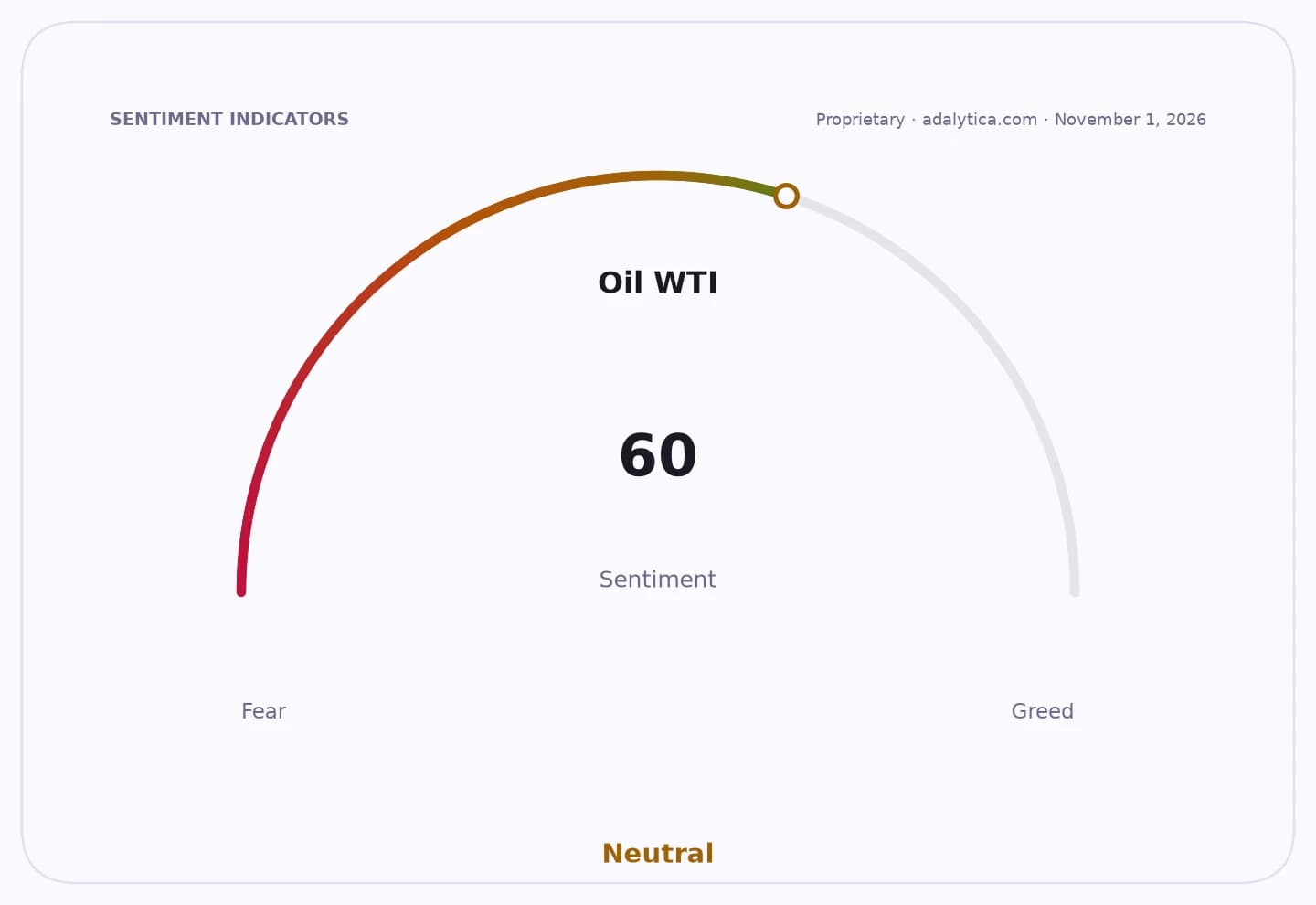
Sentiment Indicators
The increase matters because gas remains a core input for European industry, power generation and winter heating, and because every extra cargo from Russia complicates Brussels’ push to reduce dependence on one of its most politically sensitive suppliers. The EU has been trying to phase out Russian gas since the invasion of Ukraine, but the latest figures show the bloc is still leaning on Russian molecules when other supply sources tighten.
The shift also reflects stress elsewhere in the LNG system. Middle East supply to Europe was zero in September for a fifth straight month, while imports from Africa fell 22.3% in the first nine months and shipments from the Americas were broadly flat. That leaves Russian LNG, along with U.S. cargoes, as a key balancing source when pipeline flows and seaborne trade get disrupted.
For investors, the data reinforces the theme that LNG remains a geopolitical market rather than a purely commercial one. Tighter European demand can support exporters such as U.S. producers and integrated majors, but it also keeps global prices sensitive to supply shocks, shipping risk and sanctions politics.
The trade backdrop has been bullish for LNG names: shares of Cheniere Energy and Shell have already been trading near recent highs as the market prices in sustained demand. European utility buyers and industrial gas consumers, meanwhile, face the risk that winter shortages or further route disruptions could lift costs again.
The next catalyst is whether Europe can diversify fast enough through the winter heating season, or whether the region’s reliance on Russian LNG persists into 2027 despite the political cost.
| Entity | Gains | Losses |
|---|---|---|
| Russian LNG exporters | ▲Higher EU sales | ▼Sanctions pressure persists |
| U.S. LNG suppliers | ▲Stronger Europe demand | ▼More volatile pricing |
| European buyers | ▲Near-term supply relief | ▼Higher geopolitical exposure |
| EU policymakers | ▲Supply flexibility | ▼Credibility of phaseout plan |