The European Union increased gas imports via pipelines in the first nine months of the year, underlining how the bloc still depends on a narrow group of external suppliers even as it keeps trying to diversify away from Russia.
EU Pipeline Gas Imports Rose 4% in January-September
Geopolitical Risk
EU pipeline gas imports rose 4% year on year to 110 billion cubic meters in January-September, according to the Gas Exporting Countries Forum, with higher flows from Norway and Algeria doing most of the work. September alone saw imports climb 17% from a year earlier to 11.3 billion cubic meters, suggesting Europe continued to pull in more pipeline gas as it entered the heating season.
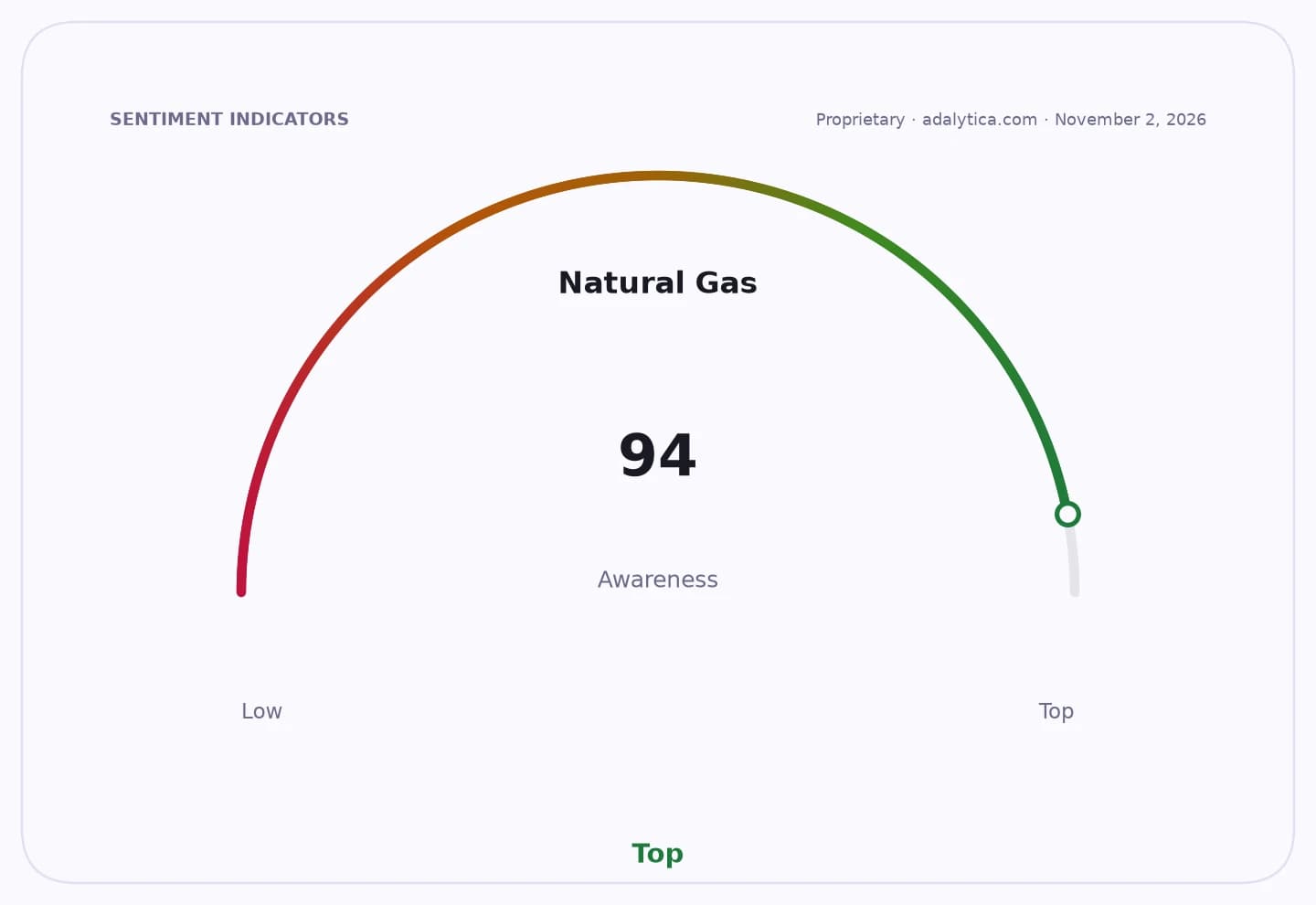
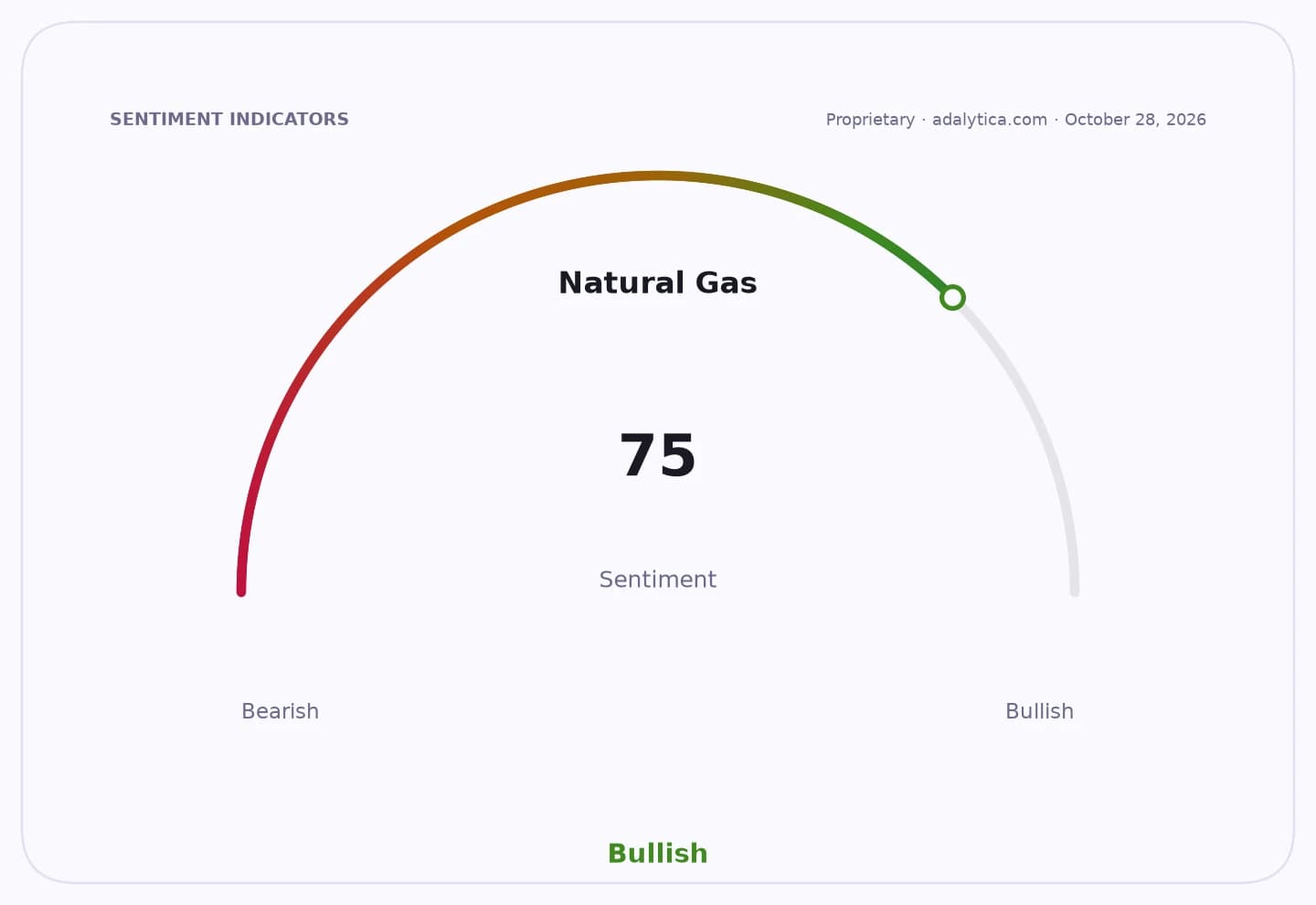
Sentiment Indicators
For investors, the detail that matters is not just the volume, but the source mix. Norway remains the bloc’s key stabilizer, while Algeria has also gained importance. Russian pipeline deliveries to the EU via TurkStream rose 2% year on year in September, and were up about 1% over the nine-month period to 13.2 billion cubic meters, according to calculations based on ENTSOG data. That means Russia still retains a foothold in European supply even after years of sanctions, contract reshuffling and infrastructure shifts.
The trend matters economically because pipeline gas remains the most direct barometer of Europe’s structural exposure to global energy disruptions. Higher inflows can ease pressure on storage, reduce the need for spot LNG cargoes and support industrial gas consumers by improving supply security. But the concentration of supply also keeps the market vulnerable: any disruption in Norway, North Africa or transit routes can quickly tighten balances and lift prices.
For utilities, traders and industrial buyers, the data points to a market that is still fragile rather than fully normalized. A steadier pipeline supply mix can cap near-term price spikes, but it does not eliminate Europe’s dependence on imported gas, nor the premium that investors assign to secure long-term supply. That is especially relevant as Europe heads into winter with geopolitical risk still elevated and with alternatives such as LNG exposed to competition from Asia.
The broader picture is that Europe’s gas market is moving toward diversification, but slowly and unevenly. Norwegian volumes remain the anchor, Algeria is contributing more, and Russian gas has not disappeared entirely from the system. Any future effort to add new sources — including prospective Caspian supplies — would have to compete with that existing pipeline map and the infrastructure constraints that come with it.
For now, the rise in pipeline imports suggests Europe is entering the colder months with adequate flows, but not with a clean break from the suppliers that have shaped its energy vulnerability for years.
| Entity | Gains | Losses |
|---|---|---|
| Norway | ▲Higher export volumes | ▼Less spare capacity |
| Algeria | ▲Stronger role in EU supply | ▼Greater supply expectations |
| Russia | ▲Keeps pipeline foothold | ▼Remains politically constrained |
| EU buyers | ▲Better winter supply coverage | ▼Persistent import dependence |