EU countries have approved a one-year postponement of key methane-emissions rules for oil and gas imports, a move that gives foreign suppliers more time to set up monitoring and reporting systems and reduces the risk of supply disruption or higher energy costs in Europe.
EU delays methane rules for oil and gas imports

The delay matters because the rules, which were due to start taking effect on Jan. 1, 2027, would have required overseas oil and gas suppliers to monitor and report methane emissions under the bloc’s new energy-law framework. Member states had warned that many third countries still lack enough meters and independent verifiers to comply quickly, raising the chance that strict enforcement could complicate imports at a time of already elevated energy-market stress.
Sentiment Indicators

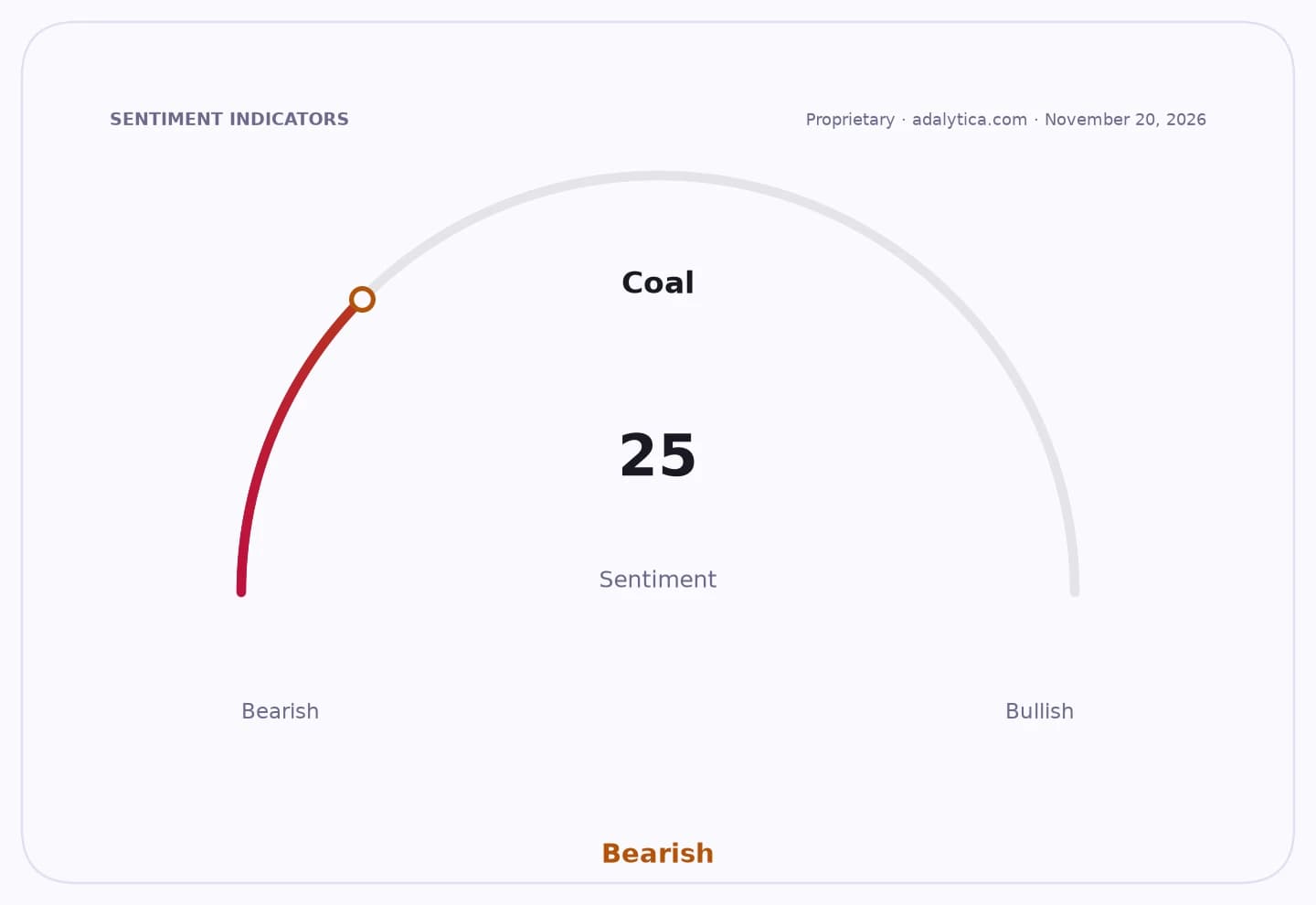
Methane is the second-most important greenhouse gas after carbon dioxide, so the policy is central to the EU’s climate agenda. But the one-year delay shows the bloc is still balancing emissions enforcement against energy security, especially as officials worry that forcing immediate compliance on non-EU suppliers could ripple through crude, natural gas and coal markets and feed into already high power and fuel prices.
Ireland’s climate and energy minister, Darragh O’Brien, said Europe “urgently needs certain and reliable energy supplies,” underscoring the economic argument behind the postponement. Ireland, which currently holds the rotating EU presidency, will now negotiate with the European Parliament on a final deal, with both sides aiming to close it this year.
Oil WTI
For investors, the decision lowers near-term regulatory pressure on oil and gas exporters selling into Europe and buys time for the industry to adapt. It also reduces the immediate risk that methane compliance becomes another bottleneck for cross-border energy flows, even as the broader policy direction still points to tighter scrutiny of emissions from fossil-fuel supply chains.
The measure is not yet final. The Council and Parliament must formally approve the amended regulation before the delay becomes law, leaving the timing of enforcement and any further concessions for importers and suppliers still in play.
| Entity | Gains | Losses |
|---|---|---|
| EU oil and gas importers | ▲More time to comply | ▼Faster enforcement pressure |
| Foreign oil and gas suppliers | ▲Longer transition period | ▼Immediate reporting burden |
| EU energy consumers | ▲Lower supply disruption risk | ▼Slower methane enforcement |
| Climate campaigners | ▲Longer-term policy stays intact | ▼Near-term emissions controls delayed |