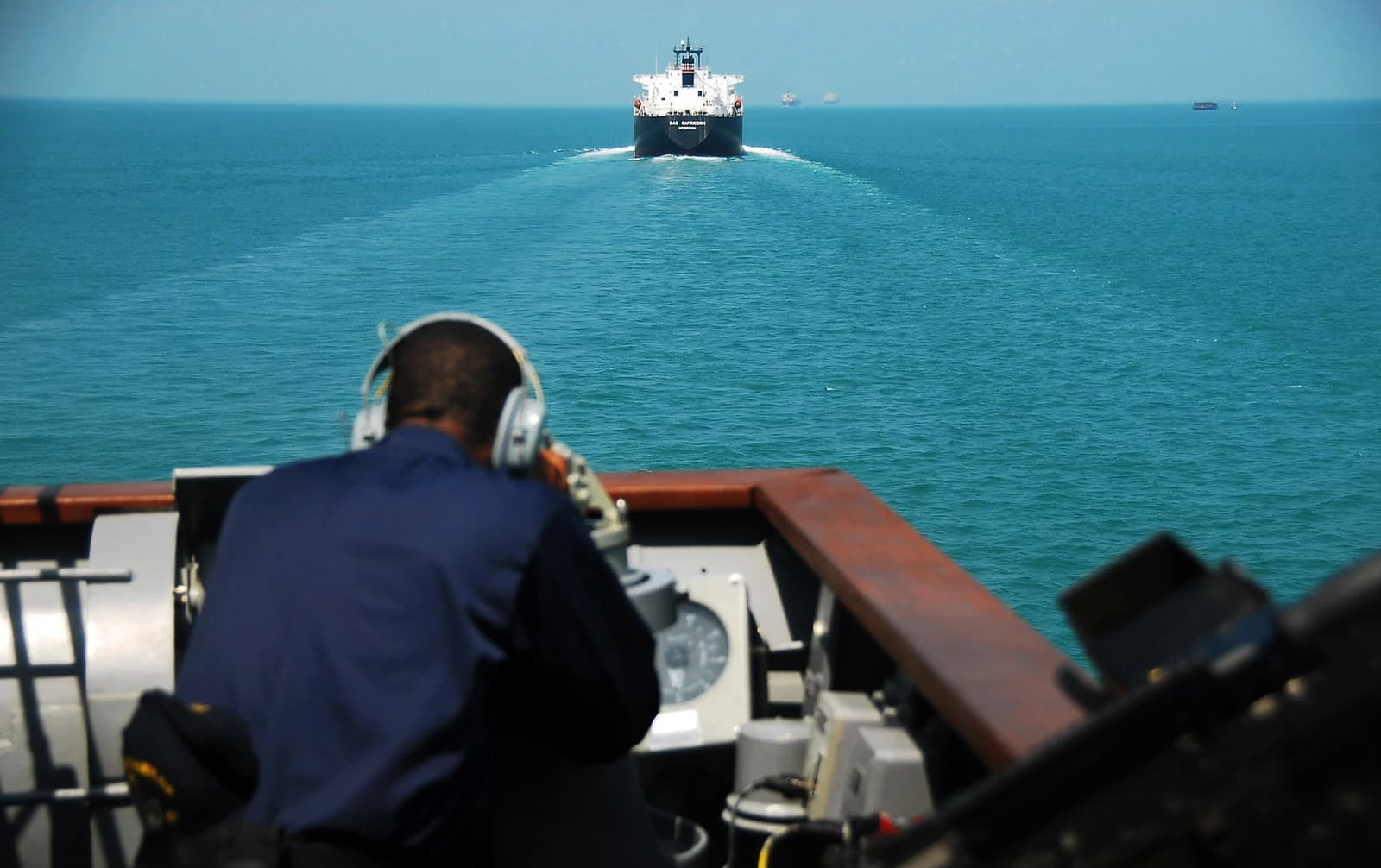
Kamel Al-Wazir said geopolitical shocks are forcing shipping lines to reroute vessels, raising transport costs, lengthening voyage times and adding fresh inflationary pressure to global trade.
Egypt Transport Minister Warns of Shipping Route Reroutes
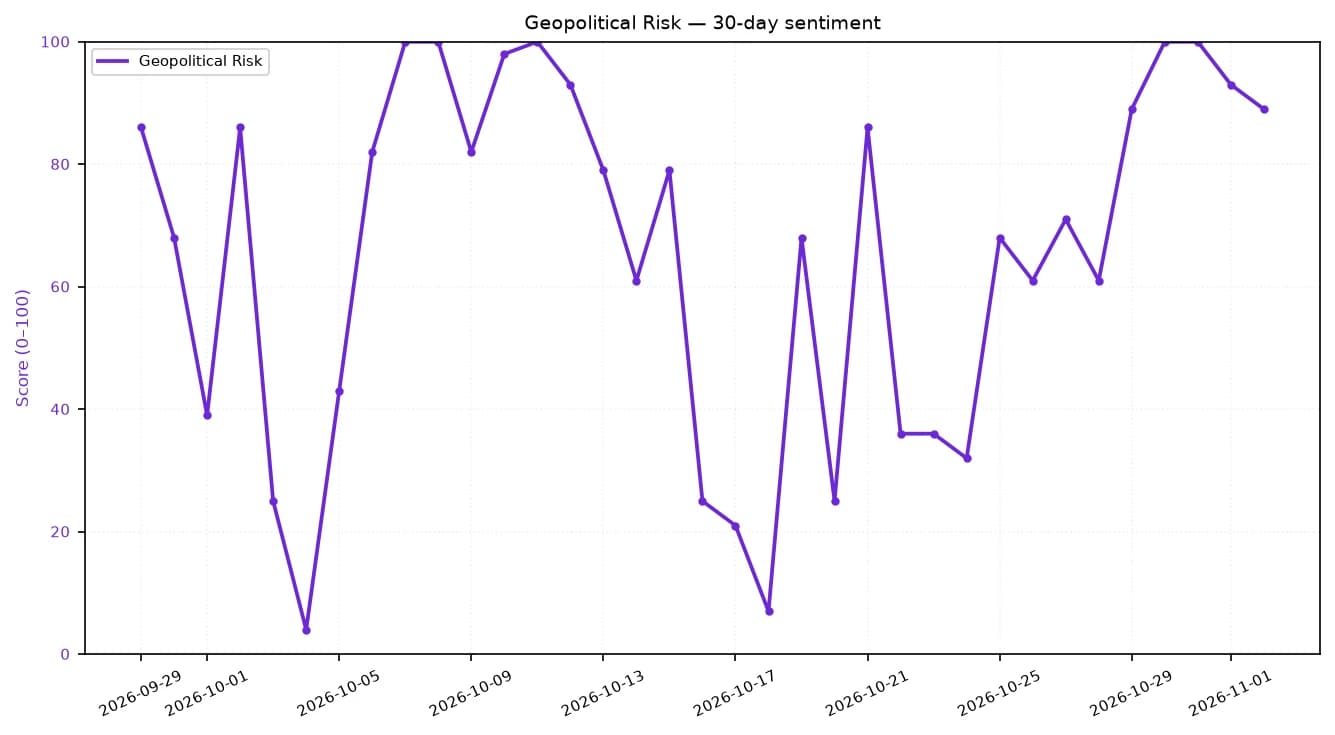
That matters because transport is the plumbing of the world economy: when routes are disrupted, freight rates, port congestion and delivery delays ripple through supply chains, lift import costs and squeeze margins for exporters, retailers and logistics groups. Al-Wazir, Egypt’s transport minister, framed the disruption as a structural change rather than a temporary detour, arguing that instability is now reshaping how goods move across the Middle East, Africa and beyond.
Sentiment Indicators
Oil WTI
Speaking at the 75th executive bureau meeting of the Arab transport ministers council in Alexandria, he said conflicts and regional tensions have made international transport and trade more complex, forcing major shipping companies onto alternative routes. The result, he said, has been longer sailings, higher operating expenses, congested ports and delayed cargo arrivals, alongside higher carbon emissions from the extra mileage.
The timing is economically significant for the Arab world, which sits astride some of the most important sea lanes connecting Europe, Asia and Africa. For Egypt in particular, the issue is not abstract: the country’s transport and logistics strategy is tied to the Suez corridor, maritime services and port throughput. Any prolonged rerouting around chokepoints raises the value of resilient port infrastructure, inland logistics links and alternative corridors, while exposing economies that rely on transit fees or fast trade flows to weaker volumes and more volatile earnings.
Oil WTI
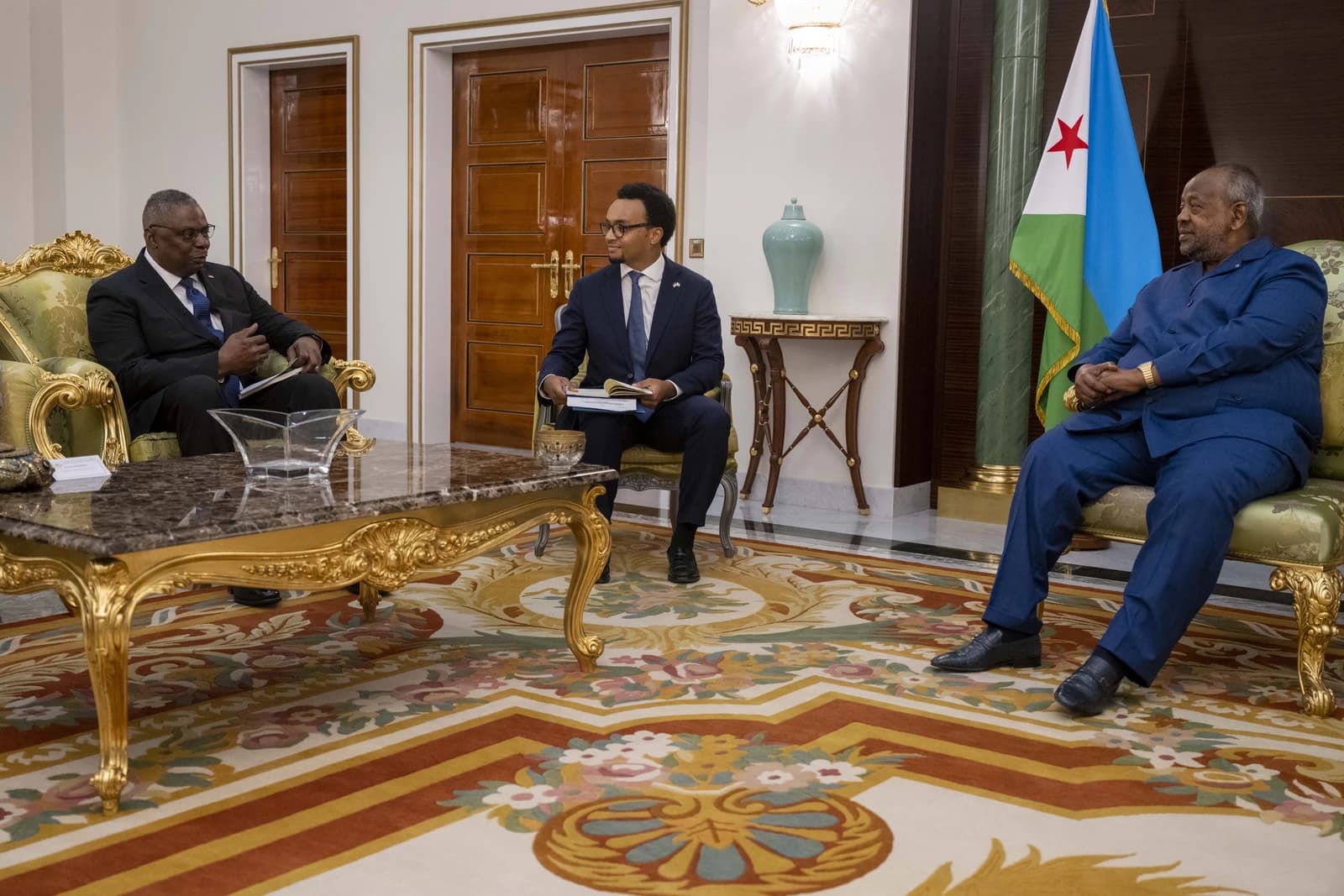
Al-Wazir used the meeting to push for deeper Arab coordination, including closer sharing of information, stronger port readiness and contingency planning for operating disruptions. He also called for support for safe navigation and freedom of passage under international law, underscoring the broader geopolitical stakes around commercial shipping lanes.
The agenda itself reflects the shift from theory to implementation. Arab ministers were set to discuss support for the Palestinian economy, road freight agreements, an electronic land-transport portal, road safety, rail development, digitalization and lower-carbon transport. On the maritime side, the group is weighing a broader Arab cooperation agreement, rules for passenger and cargo shipping between Arab states, and efforts to develop river transport and logistics zones in Sudan.
For investors, the story points to a more durable premium on transport resilience. Carriers and port operators with diversified routes, strong pricing power and modern logistics networks may benefit, while shippers exposed to chokepoints, fuel volatility and schedule disruption face higher costs and weaker service reliability. The broader market implication is that geopolitical risk is no longer just an oil story; it is increasingly a freight, inflation and supply-chain story as well.
| Entity | Gains | Losses |
|---|---|---|
| Resilient port and logistics operators | ▲Higher demand for redundancy | ▼Complacent incumbents |
| Shipping lines with alternative routes | ▲Pricing power on rerouting | ▼Timetable reliability |
| Importers and retailers | ▲More stable future networks | ▼Higher freight costs now |
| Transit hubs in secure corridors | ▲Greater strategic relevance | ▼Chokepoint-dependent routes |