Egypt is preparing a trial sale of about 15,000 housing units under a rent-to-own scheme, a move that could reshape how the state delivers subsidized housing to lower-income households and, if successful, broaden a model that links monthly affordability with eventual ownership.
Egypt plans rent-to-own trial for 15,000 homes

The pilot matters because it tackles two problems at once: access to shelter for households priced out of outright home purchases, and the government’s need to design a housing support system that is more sustainable than one-off unit sales. By charging a subsidized monthly rent tied to household income, then allowing tenants to move into ownership after the rental period, the program aims to reduce the upfront barrier that has kept many low-income families out of the formal housing market.
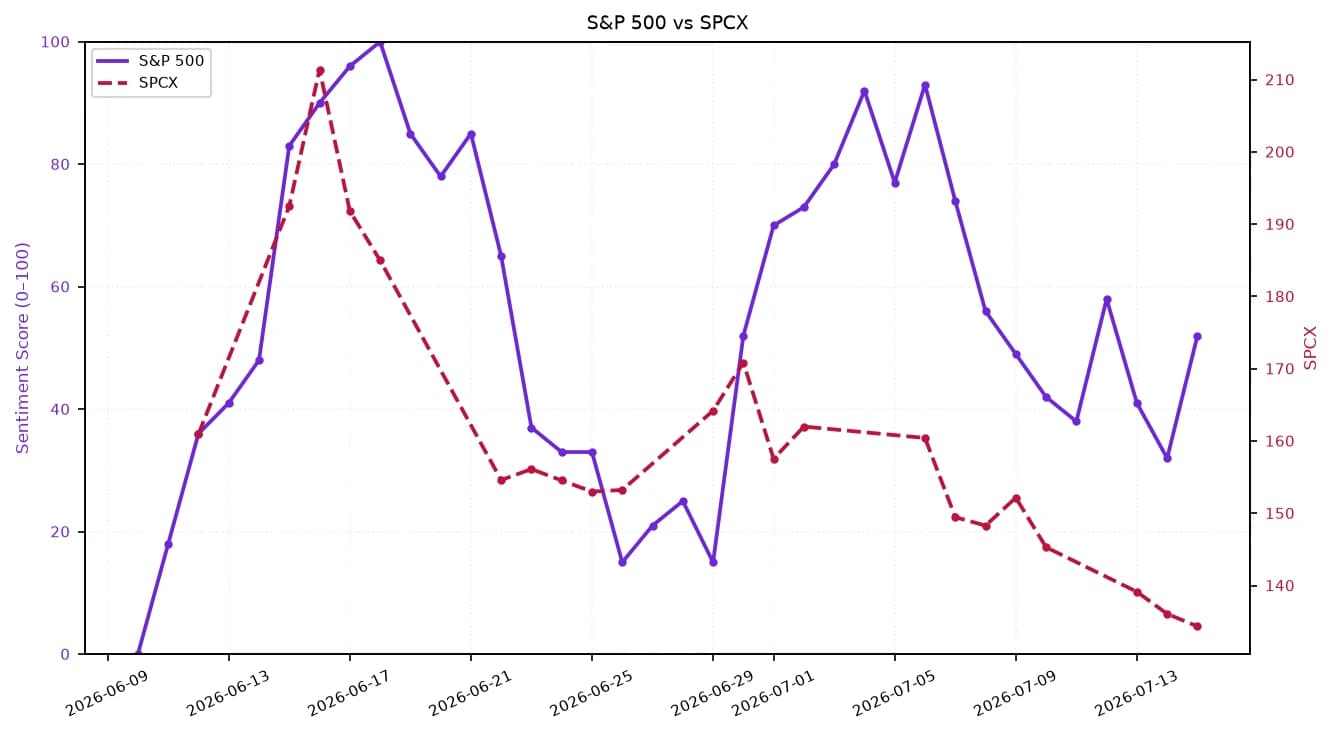
Sentiment IndicatorsⓘProprietary · adalytica.com · September 23, 2026
This is a snapshot — live sentiment, awareness and momentum for 130+ markets update continuously in the dashboard.Open AlphaPulse
The Social Housing and Mortgage Finance Fund said the trial is meant to test whether the system can scale into a broader housing platform. The units will be ready for immediate occupancy, mostly between 75 and 90 square meters, and the monthly payment will be set as a share of income rather than a fixed market rent. That structure is important in an environment where affordability has been strained by inflation and higher financing costs, and where even state-backed housing programs need to be calibrated to what families can actually pay.
The initiative also reflects a policy shift toward matching housing support with repayment capacity rather than pure subsidy. Tenants will post a deposit equal to three months’ rent, and the rental term will last three years with the option to renew. Priority will go to lower-income applicants, with ranking also based on years of marriage, income and age. Economically, that points to a more targeted allocation mechanism that could improve collection discipline and reduce the risk of units being underused or captured by better-off households.
For investors, the story is less about immediate direct exposure than about what it says on housing demand, funding models and construction activity. A successful pilot would support a larger pipeline of subsidized development, potentially stabilizing demand for builders, contractors and mortgage-finance channels linked to state housing programs. It could also ease some pressure in the lower end of the rental market by creating an alternative path to tenure security for families who cannot buy conventionally.
The broader backdrop is one of persistent housing affordability stress. Conventional homebuying remains constrained by income levels, financing costs and inflation, while rental demand in many markets has remained price-sensitive. That makes rent-to-own attractive politically and economically: it preserves the idea of ownership, but spreads the cost over time.
The key question is whether the pilot can stay affordable for both the state and the household. If the subsidy formula is too generous, the program risks becoming fiscally heavy; if it is too tight, families it is meant to help may still be excluded. Investors and policymakers will be watching for take-up, repayment behavior and whether the scheme can be expanded without eroding service quality or straining public finances.
| Entity | Gains | Losses |
|---|---|---|
| Low-income households | ▲Lower entry barrier to ownership | ▼Need to meet deposit and payment rules |
| Egypt’s housing fund | ▲Tests scalable subsidy model | ▼Takes on rollout and administration risk |
| Builders and contractors | ▲Potentially steadier state-backed demand | ▼Dependent on policy execution |
| Private landlords | ▲Less pressure on formal demand | ▼Face stronger competition from subsidized units |