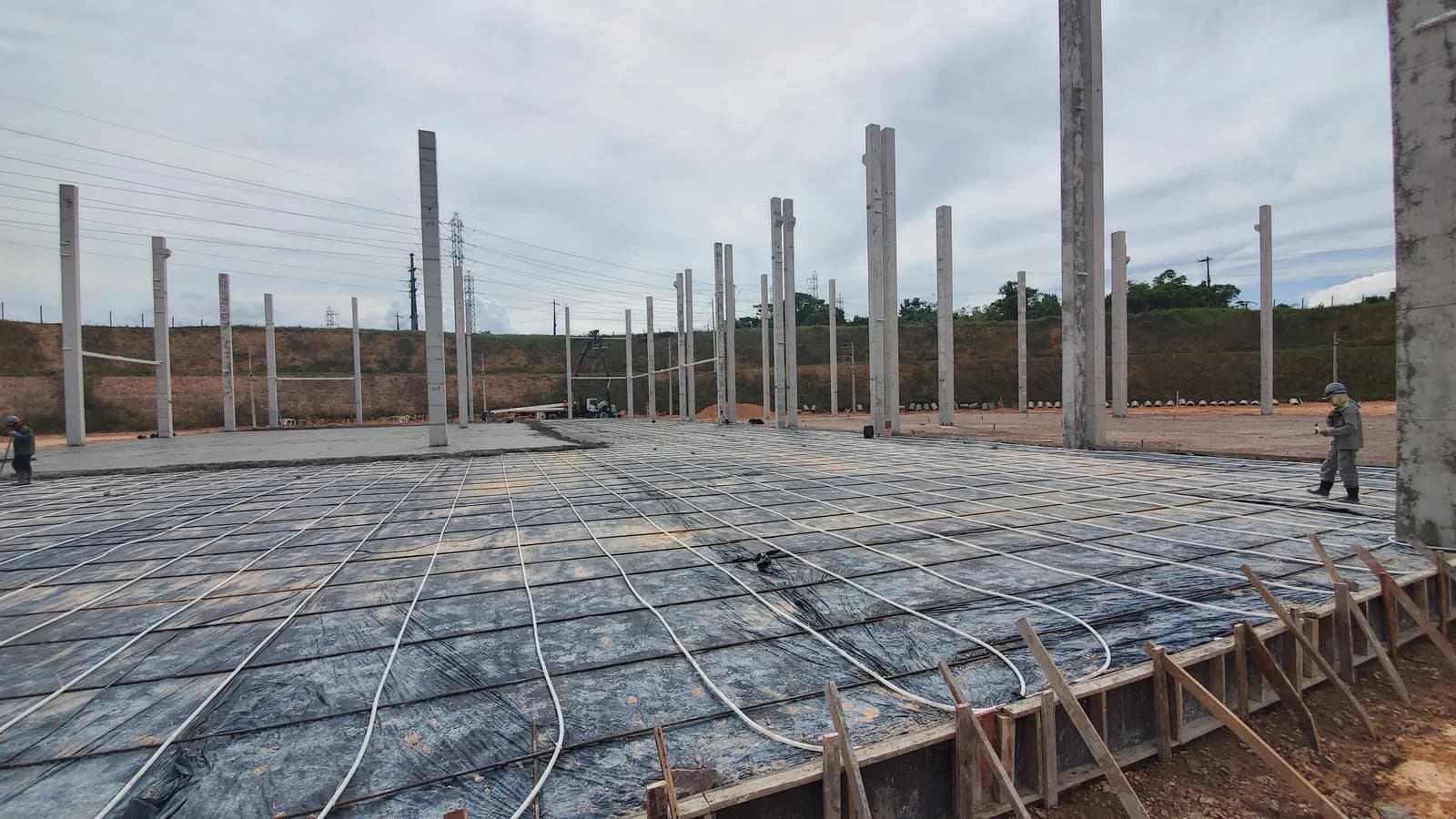
Iron and cement prices in Egypt were unchanged on Monday, underscoring a stagnant construction market where weak buying has kept material costs stable despite broader commodity swings.
Egypt iron and cement prices stay unchanged
The local benchmark showed the investment-grade ton of iron at 38,533 Egyptian pounds, while Ezz Steel was quoted at 40,545 pounds and other producers clustered close to that range. Gray cement held at 4,062 pounds a ton, according to the government’s local and international price portal. The steadiness matters because building materials feed directly into housing, infrastructure and private development costs, and when they stop rising in a market like Egypt it usually reflects subdued end-user demand rather than robust supply balance.
Sentiment Indicators
That diagnosis was reinforced by traders in the market, who said prices have been stable since the start of the month as commerce in building materials remains sluggish and sales volumes are weak. In practical terms, that points to a sector that is not passing through inflationary pressure even as global industrial inputs remain volatile. For contractors and developers, flat input prices can offer some short-term budgeting relief, but they also signal that project pipelines and household demand are not strong enough to absorb higher costs.
The broader backdrop is one of uneven raw-material markets. Global iron ore has been under pressure from soft demand and China’s anti-pollution curbs, while steel and cement producers elsewhere are still working through margin pressure from energy and input costs. In the U.S., industrial metals are showing a more mixed picture: steelmakers have reported higher raw-material costs in recent filings, even as selected product prices and volumes have improved. The contrast highlights how local pricing can decouple from international trends when domestic demand is weak.
For investors, the key question is whether the current calm in Egypt’s building-materials market reflects temporary inventory digestion or a longer slowdown in construction activity. If sales remain soft, producers may struggle to lift prices even if global inputs stabilize, which would keep pressure on margins and limit earnings recovery. If demand improves, however, the current flat pricing could prove a pause rather than a turning point.
| Entity | Gains | Losses |
|---|---|---|
| Builders and contractors | ▲Lower cost certainty | ▼No sign of stronger demand |
| Cement and steel producers | ▲Stable pricing environment | ▼Weak sales volumes |
| Homebuyers and developers | ▲Short-term cost relief | ▼Delayed market recovery |
| Construction-linked investors | ▲Clearer input-cost visibility | ▼Limited margin upside |