Cyberattacks that triggered false emergency warnings in Ukraine and Russia underscore how state-linked digital operations are increasingly reaching into public safety systems at the same time the FBI has tied a $6.3 billion Binance theft to a North Korean hacker group.
Cyberattacks in Ukraine, Russia and Binance theft
The back-to-back incidents matter because they show cyberwarfare is no longer confined to stealing data or disrupting corporate networks. It is now hitting financial infrastructure and government alert channels, raising the economic cost of conflict and the risk of broader spillovers to markets, banks, exchanges and telecom networks.
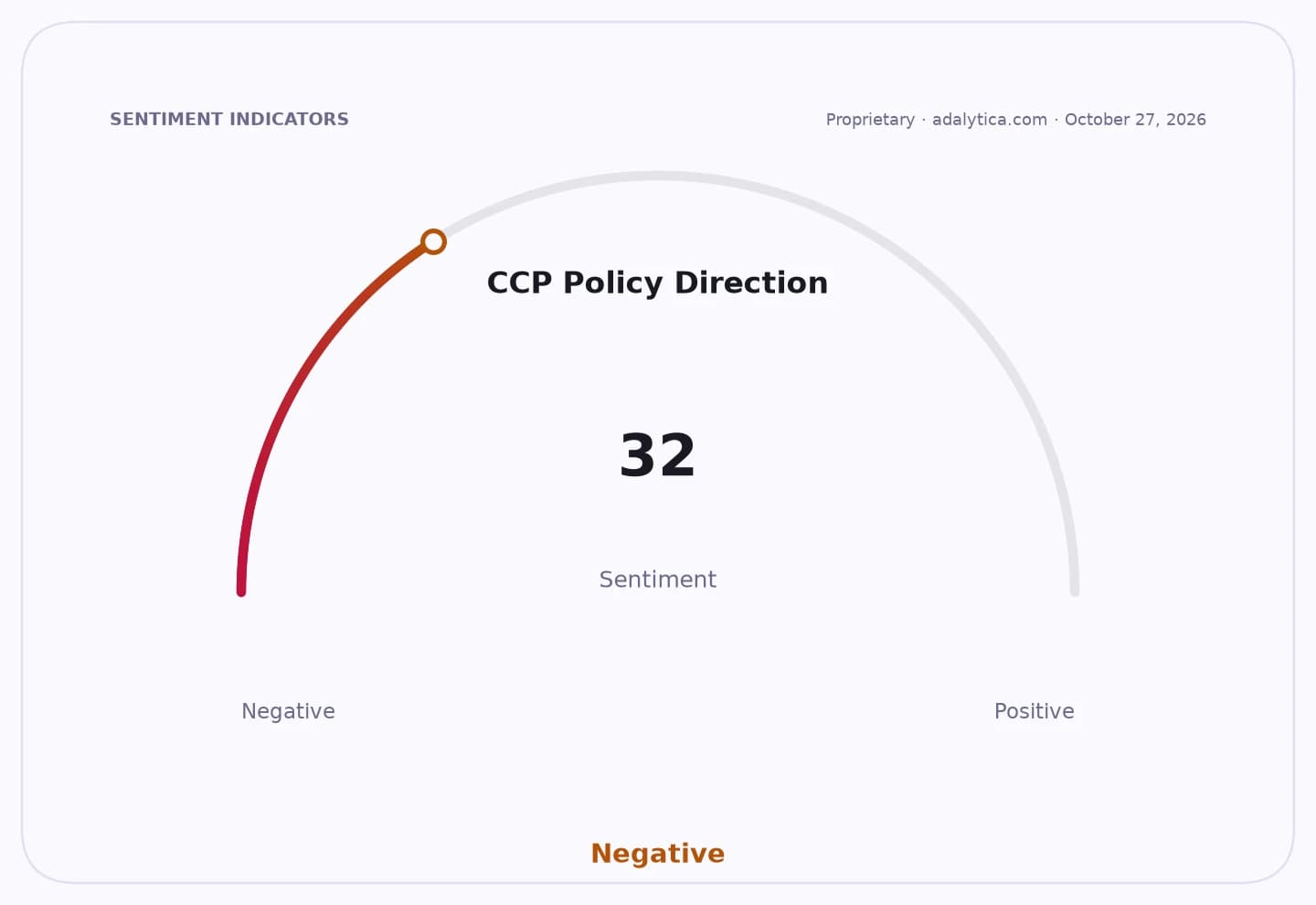
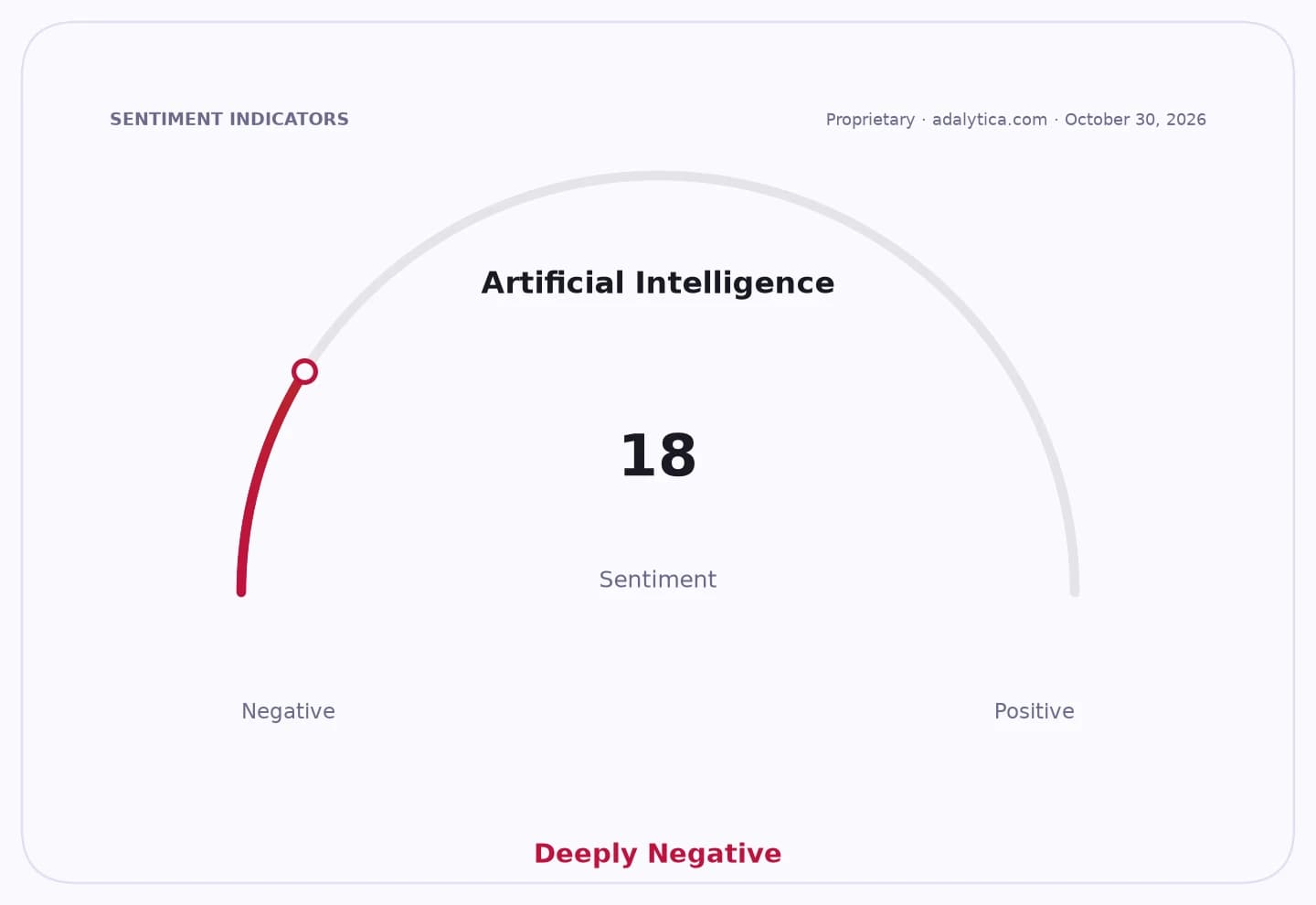
Sentiment Indicators
In Ukraine and Russia, the attacks reportedly pushed out bogus chemical and radiation alerts, highlighting how a breach can quickly become a civil-protection issue. That raises the stakes for governments already spending heavily on cyber defense as the war in Ukraine continues to widen the attack surface for critical infrastructure.
The Binance attribution adds a separate but related market risk. If a North Korean state-sponsored group can steal billions from a major crypto exchange, the episode reinforces investor concerns about custody, compliance and the security of digital-asset platforms that already face tighter regulatory scrutiny after a series of high-profile hacks.
Cybersecurity stocks can benefit when threat activity escalates, as higher spending tends to flow toward prevention, monitoring and incident response. The latest wave of attacks keeps names such as CrowdStrike, Palo Alto Networks and Fortinet in focus, with investors watching whether heightened geopolitical risk translates into more demand for endpoint protection, network security and threat-intelligence tools.
Technical readings on those shares show mixed positioning after recent volatility, with CrowdStrike rebounding sharply from spring lows before pulling back, Palo Alto surrendering some of its summer gains, and Fortinet sliding hard after a steep rally. That leaves the group sensitive to any fresh evidence that governments and companies are boosting security budgets in response to state-backed attacks.
The immediate catalyst now is whether authorities broaden their attributions and whether governments respond with new sanctions, defensive coordination or cyber-retaliation. For investors, the bigger question is how long the current backdrop of geopolitical instability keeps cyber risk elevated — and how much of that premium gets priced into security stocks, crypto venues and critical infrastructure providers.
| Entity | Gains | Losses |
|---|---|---|
| Cybersecurity vendors | ▲Higher security demand | ▼Short-term stock volatility |
| Governments in Ukraine/Russia | ▲Stronger defense budgets | ▼Public trust in alerts |
| Crypto exchanges | ▲More pressure to upgrade controls | ▼Higher hack and compliance risk |
| Attackers/state-backed groups | ▲Tactical disruption | ▼Greater sanctions and exposure |