Cuba was plunged into darkness again on Friday after a total collapse of the national electricity grid, prompting the U.S. Embassy in Havana to warn American citizens to prepare for disruptions to power, mobile service and internet access.
Cuba Grid Collapse Triggers Nationwide Blackout
The blackout underscores how Cuba’s energy crisis has moved from periodic inconvenience to a persistent macroeconomic drag, with the state’s fragile grid repeatedly failing under fuel shortages, aging infrastructure and chronic underinvestment. Officials in Havana said the cause of the latest collapse was under investigation, but they gave no timeline for restoring service.
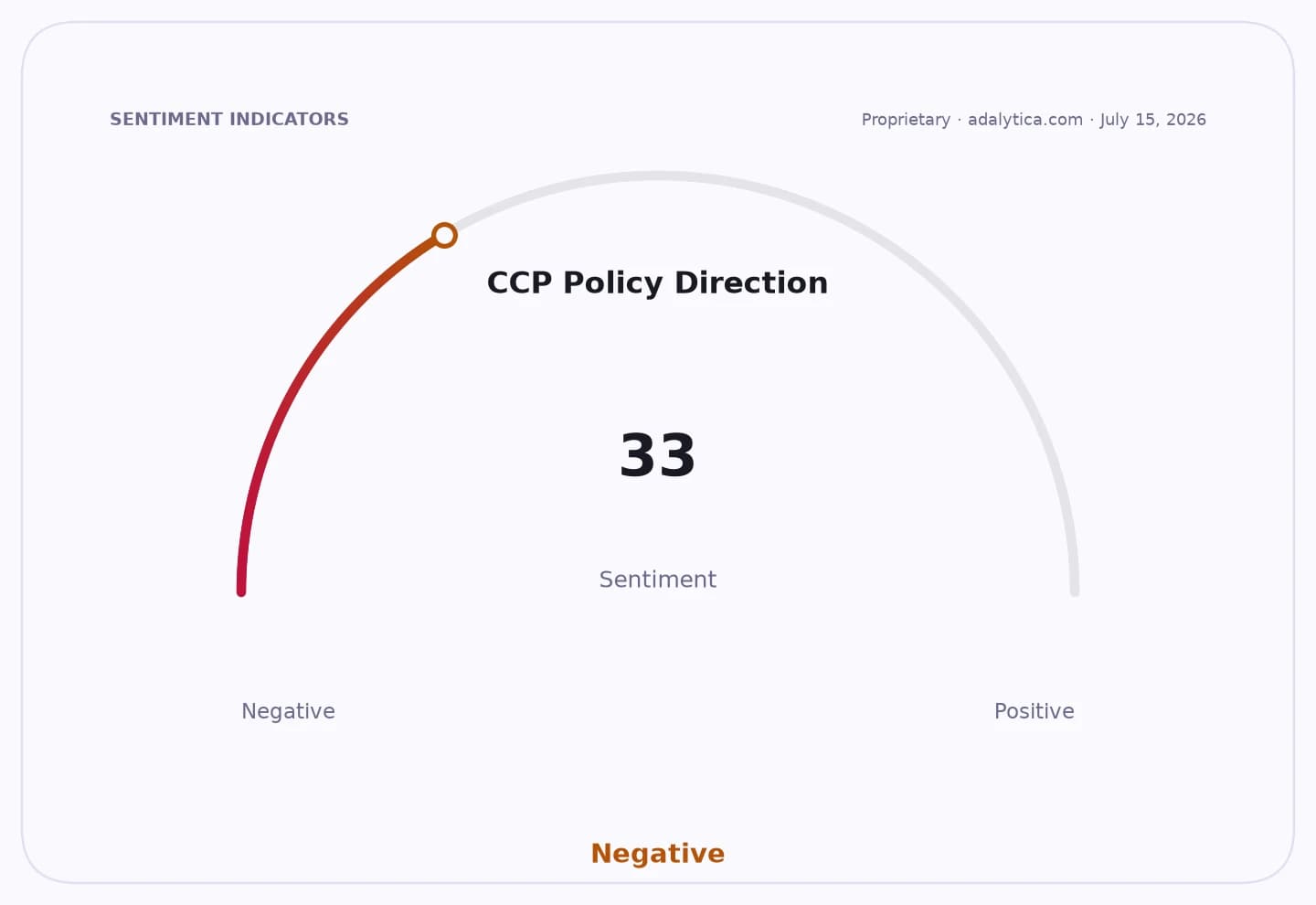
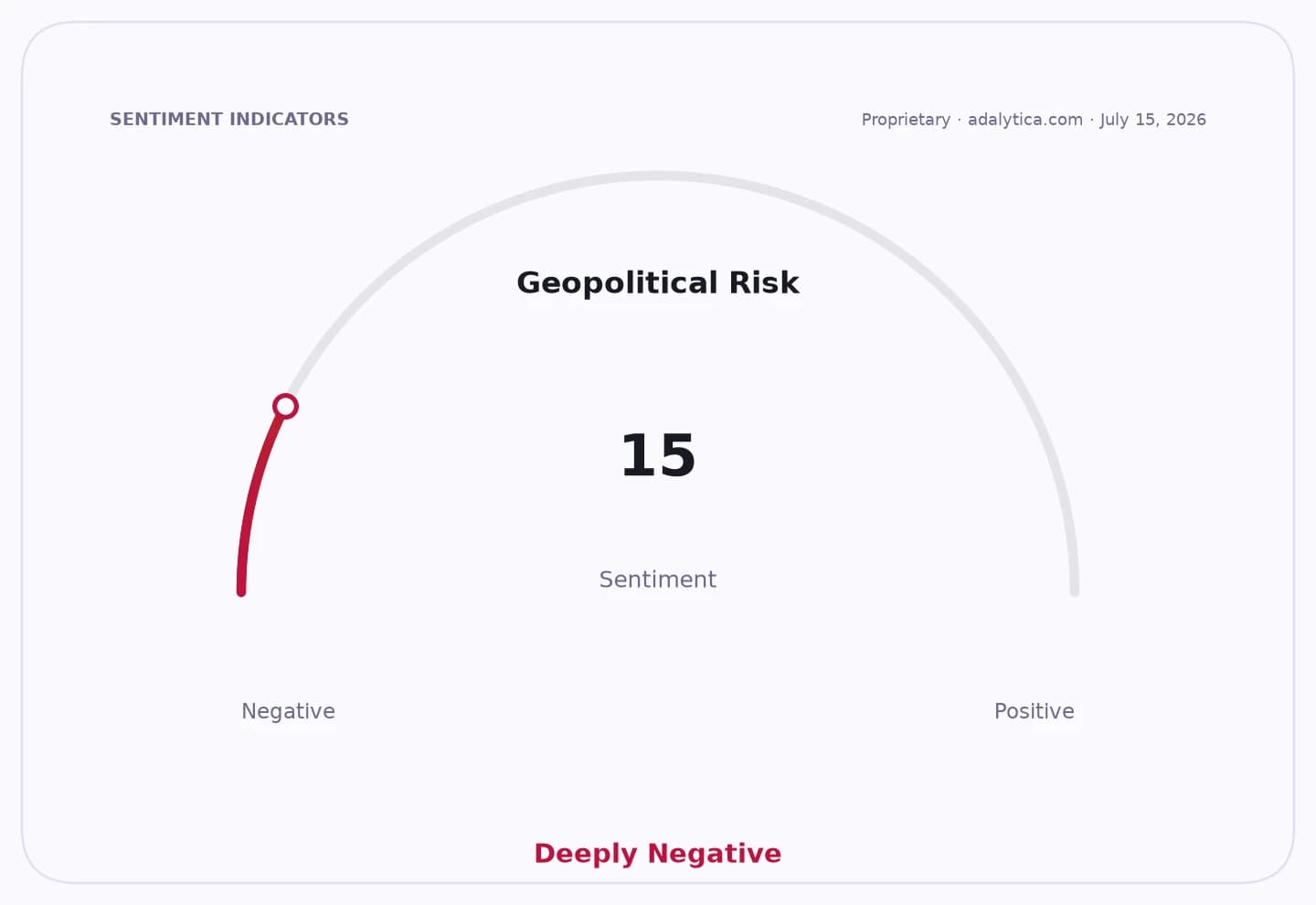
Sentiment IndicatorsⓘProprietary · adalytica.com · September 22, 2026
This is a snapshot — live sentiment, awareness and momentum for 130+ markets update continuously in the dashboard.Open AlphaPulse
The embassy said Cuba’s power system has become increasingly unstable, with unplanned outages occurring more often and lasting longer. Planned blackouts already hit the island daily, and the latest collapse marks the seventh nationwide outage this year, coming only a month after the last one.
That matters far beyond Cuba’s borders because electricity shortages hit output, transport, communications and tourism, all of which are central to an economy already strained by sanctions, weak fuel supplies and limited hard-currency inflows. Widespread outages also raise social and political risk, especially when they affect hospitals, businesses and basic communications.
For investors, the story is less about a tradable shock in Cuba and more about the broader risk premium around Caribbean and emerging-market infrastructure. Repeated grid failures can deter tourism, complicate logistics and deepen the pressure on firms exposed to the island or to regional supply chains, while also reinforcing the market’s preference for more resilient power assets elsewhere.
The episode adds to a wider pattern of electricity disruptions seen in other regions, where grid fragility and poor outage communication have fed operational losses and public frustration. For Cuba, the immediate focus is restoration, but the bigger issue is whether the country can stabilize a power system that now appears to fail with increasing frequency.
| Entity | Gains | Losses |
|---|---|---|
| U.S. Embassy / American travelers | ▲Better safety planning | ▼Exposure to outages |
| Cuban households and businesses | ▲None | ▼Power, internet, productivity |
| Cuban government | ▲None | ▼Credibility, stability |
| Regional power investors | ▲Focus on resilient assets | ▼Risk premium on fragile grids |