If you’re paying more for organic groceries, you’re not just buying a cleaner label — you’re buying a supply chain that has become harder to source, harder to process and harder to keep affordable.
Costco, Walmart, Kroger and organic grocery margins
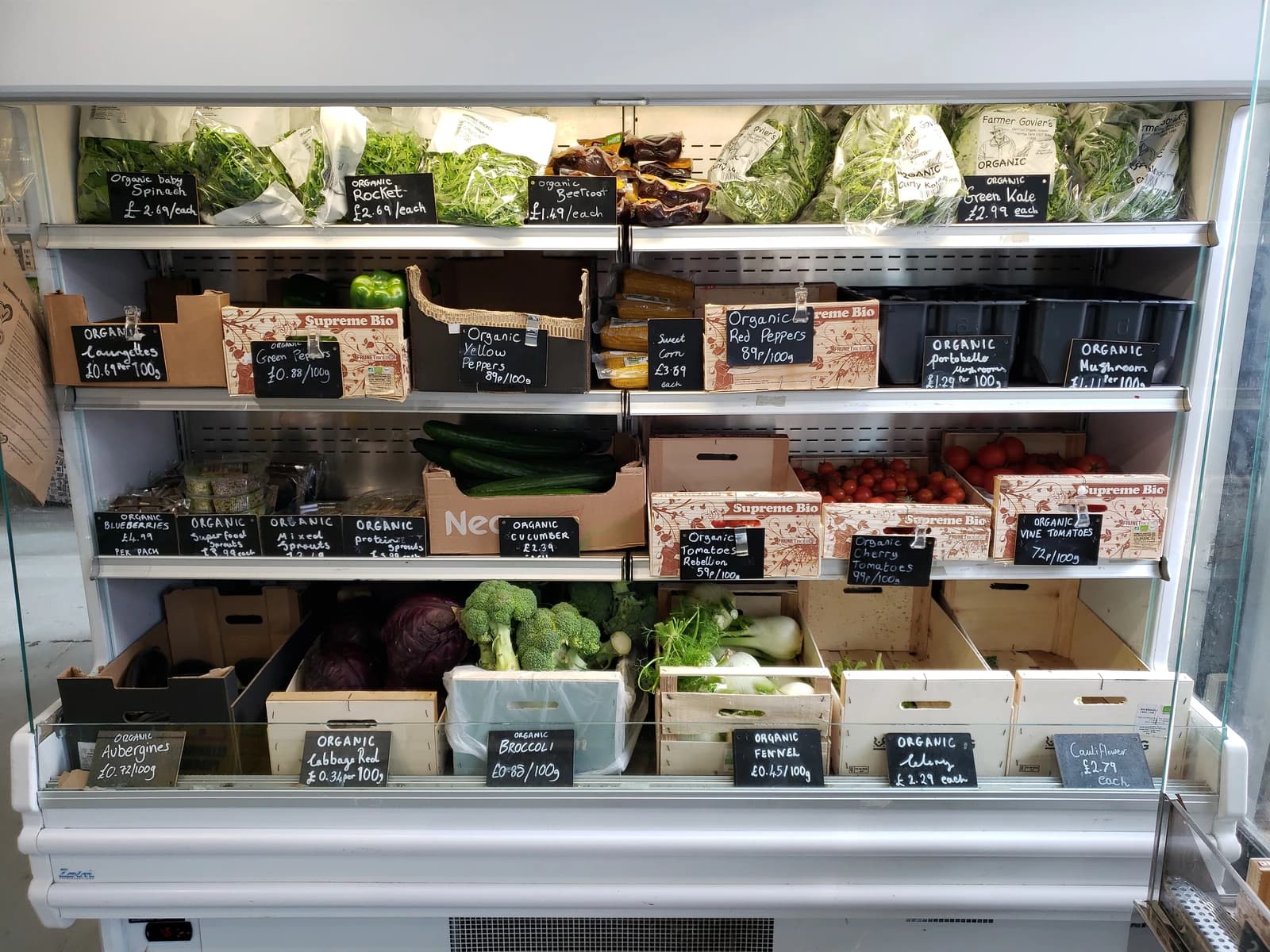
That is the real story investors should watch in the supermarket aisle. Organic food has always carried a premium, but the latest signals from the grocery sector suggest that premium is being defended by tight margins, shifting consumer behavior and retailers’ constant fight to keep shoppers from trading down. For long-term investors, that matters because the winners in grocery are usually the companies that can protect volume while absorbing cost pressure better than competitors.
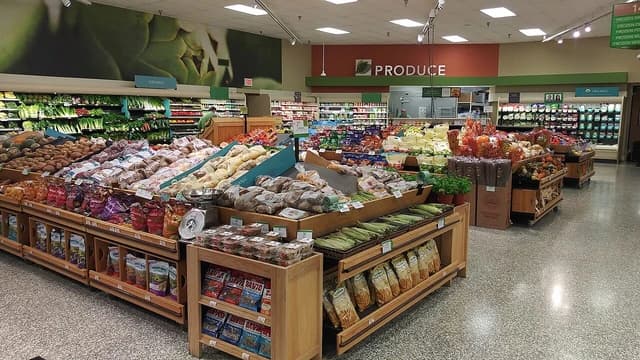
Costco Wholesale, Walmart and Kroger all point to the same economic truth: food retail is a scale business, and organic products amplify that reality. Costco’s recent filing said its gross margin in core merchandise categories declined, with fresh foods and foods and sundries weighing on results. That is exactly where organic items tend to live — in the categories where customers expect quality, but where retailers have less room to push through price increases without risking demand.
Kroger’s latest filing tells a similar story from a different angle. It said identical sales excluding fuel and a labor dispute rose in part because of stronger e-commerce, natural foods, meat and seafood, bakery and pharmacy sales, as well as higher spend per item. In plain English, shoppers are still willing to pay up for better-quality food, including organic and natural products, but they are also selective. They want value, and they are increasingly buying up in certain categories while trimming elsewhere.
Walmart remains the clearest reminder that grocery is still a volume game. The company’s shares have outperformed this year, and the stock has been buoyed by the market’s confidence that it can win inflation-weary shoppers by combining low prices with scale and efficiency. For organic groceries, that’s a problem for smaller rivals: the retailer with the deepest distribution network can offer organic options without surrendering as much margin, making it harder for competitors to justify a bigger markup.
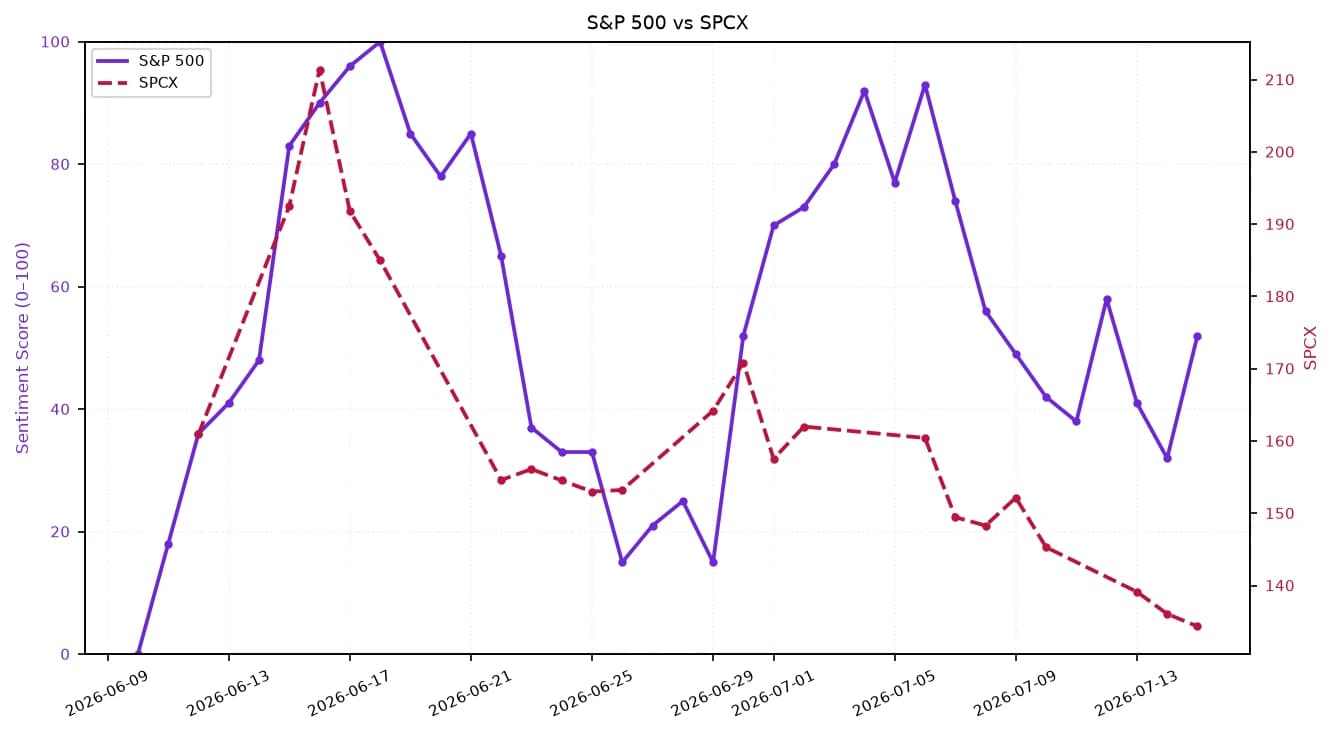
The broader backdrop is consumer spending that still looks resilient, even if households are choosier. Adalytica’s Consumer Spending Sentiment sits in “Greed” territory, while its Food and Grocery Spending Sentiment is at “Extreme Fear.” That split says a lot. Consumers may still spend, but they are uneasy about the grocery bill itself. When shoppers are anxious about food costs, they become more open to private label, more sensitive to promotions and more likely to question whether organic is worth the premium.
That question matters to investors because it changes where profits can be made. In grocery, the best businesses do not simply sell more food; they earn loyalty, manage shrink, leverage data and use scale to keep organic from becoming a margin trap. Costco has long done that through membership economics. Walmart does it through low-cost distribution and traffic. Kroger tries through mix, pharmacy, digital and store execution. The companies that can make organic feel like an affordable choice, not a luxury, are the ones with the most durable moat.
The risk, of course, is that organic demand can soften if inflation, tariffs, labor costs or supply disruptions push prices higher again. General Mills has already shown how changing price realization and mix can weigh on organic sales in a branded-food portfolio, and suppliers across packaged food still face volatile input costs. That means the premium on organic will remain under pressure unless retailers and suppliers can keep the aisle both credible and competitively priced.
For investors, the takeaway is simple: organic groceries are less about a lifestyle trend than a test of pricing power, scale and operational discipline. If you want to own the theme, look beyond the sticker price and focus on the retailers that can sell higher-quality food without breaking the value proposition. Those are the businesses most likely to compound over the next decade. Worth watching — and, for patient investors, worth keeping on the shopping list.
| Entity | Gains | Losses |
|---|---|---|
| Costco | ▲Membership loyalty | ▼Margin pressure in fresh foods |
| Walmart | ▲Traffic from value seekers | ▼Smaller grocers with weaker scale |
| Kroger | ▲Higher spend per item | ▼Shoppers trading down on price |
| Organic shoppers | ▲Better-quality options | ▼Higher grocery bills |