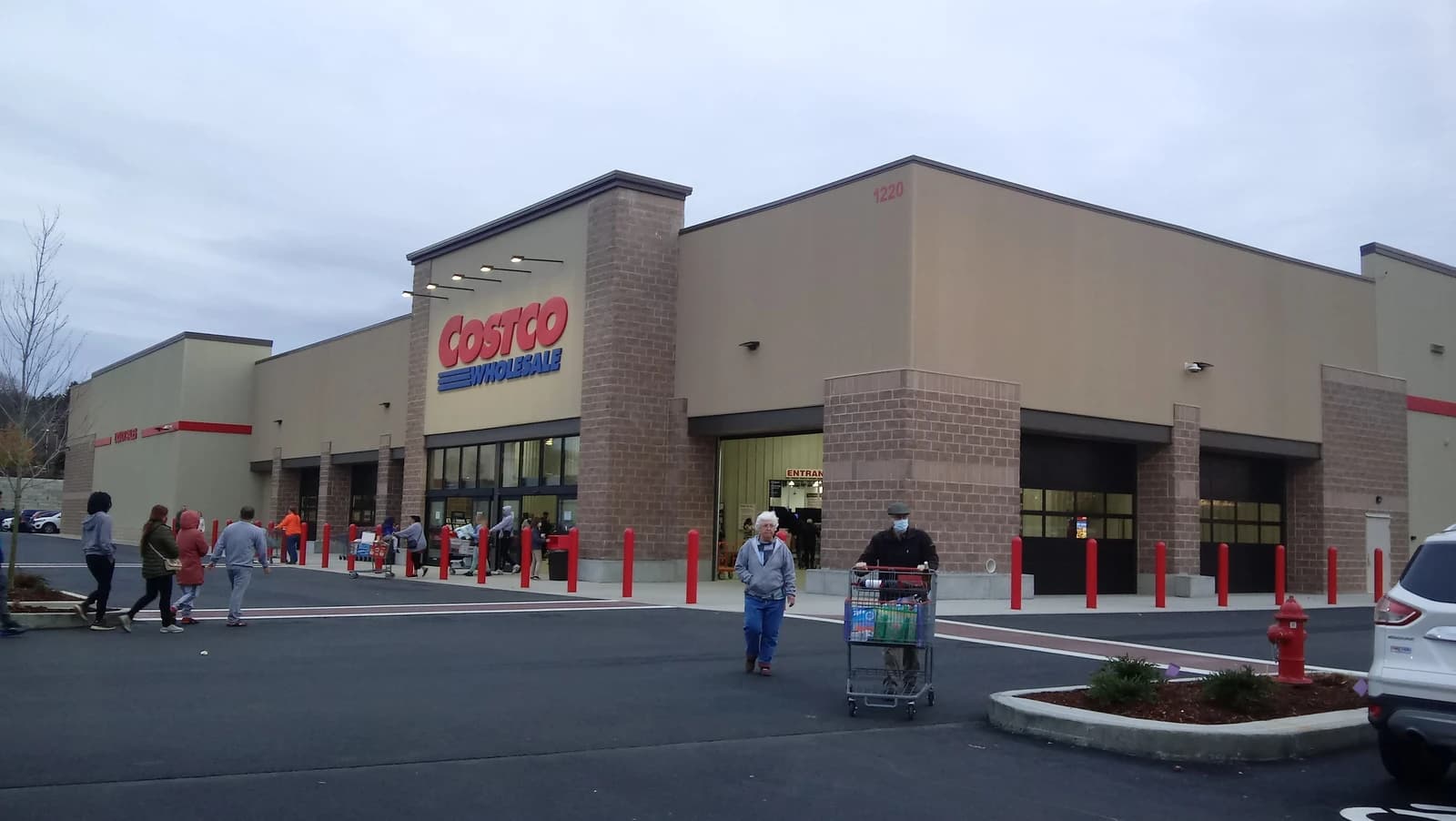
Costco is pulling a popular space heater from shelves after finding a defect that could cause a fire in consumers’ homes, a reminder that product safety failures can quickly turn into financial and reputational risk for retailers built on trust and traffic.
Costco recalls space heater over fire defect
The recall matters because Costco’s business depends on repeat shopping, member loyalty and the assumption that its buying teams screen for quality as well as price. A heater that can catch fire is not just a consumer-safety issue; it is a potential liability event, a margin nuisance and a test of whether the warehouse club’s private-label and branded merchandise controls can keep pace with its scale.
For investors, the immediate hit is likely limited, but the second-order effect is more important. Costco trades at a premium because the market pays for consistency, operational discipline and resilient membership economics. Recalls do not usually derail that story, but they can pressure merchandising reputation, raise the cost of product oversight and invite scrutiny of suppliers in seasonal categories where demand spikes fast and quality control can slip.
The broader backdrop is an environment in which households are still focused on value, and that has been a tailwind for warehouse clubs. But value only works if safety is preserved. A widely sold heating appliance being removed from circulation underscores how quickly a low-ticket item can become a high-conviction risk if it threatens customer confidence or triggers claims, returns and regulatory attention.
Costco’s shares have been trading well above both their 50-day and 200-day moving averages, showing the market still prizes the name’s defensive growth profile. That makes the stock less about one recall than about the durability of the model. If management handles the issue quickly and transparently, the damage should stay contained. If not, the incident becomes another data point for investors watching whether the company’s execution premium can hold through a heavier cycle of product risk and margin pressure.
The investable takeaway is simple: this is not a thesis-breaker for Costco, but it is a reminder that even best-in-class retailers face hidden operational risks in an era of outsourced manufacturing and compressed consumer budgets. Long-term investors can still own the model, but they should expect product-safety headlines to remain a recurring, if usually manageable, overhang.
| Entity | Gains | Losses |
|---|---|---|
| Costco | ▲Faster issue containment if handled well | ▼Recall costs and reputational noise |
| Consumers | ▲Reduced exposure to defective product | ▼Temporary inconvenience and replacement risk |
| Suppliers | ▲Pressure to tighten quality controls | ▼Scrutiny over manufacturing defects |
| Competitors | ▲Opportunity to market safer alternatives | ▼— |