Costco is opening its U.S. warehouse clubs to DoorDash and Uber Eats nationwide, a move that puts one of retail’s stickiest membership businesses inside the fast-growing on-demand delivery market.
Costco Expands Delivery Through DoorDash and Uber Eats
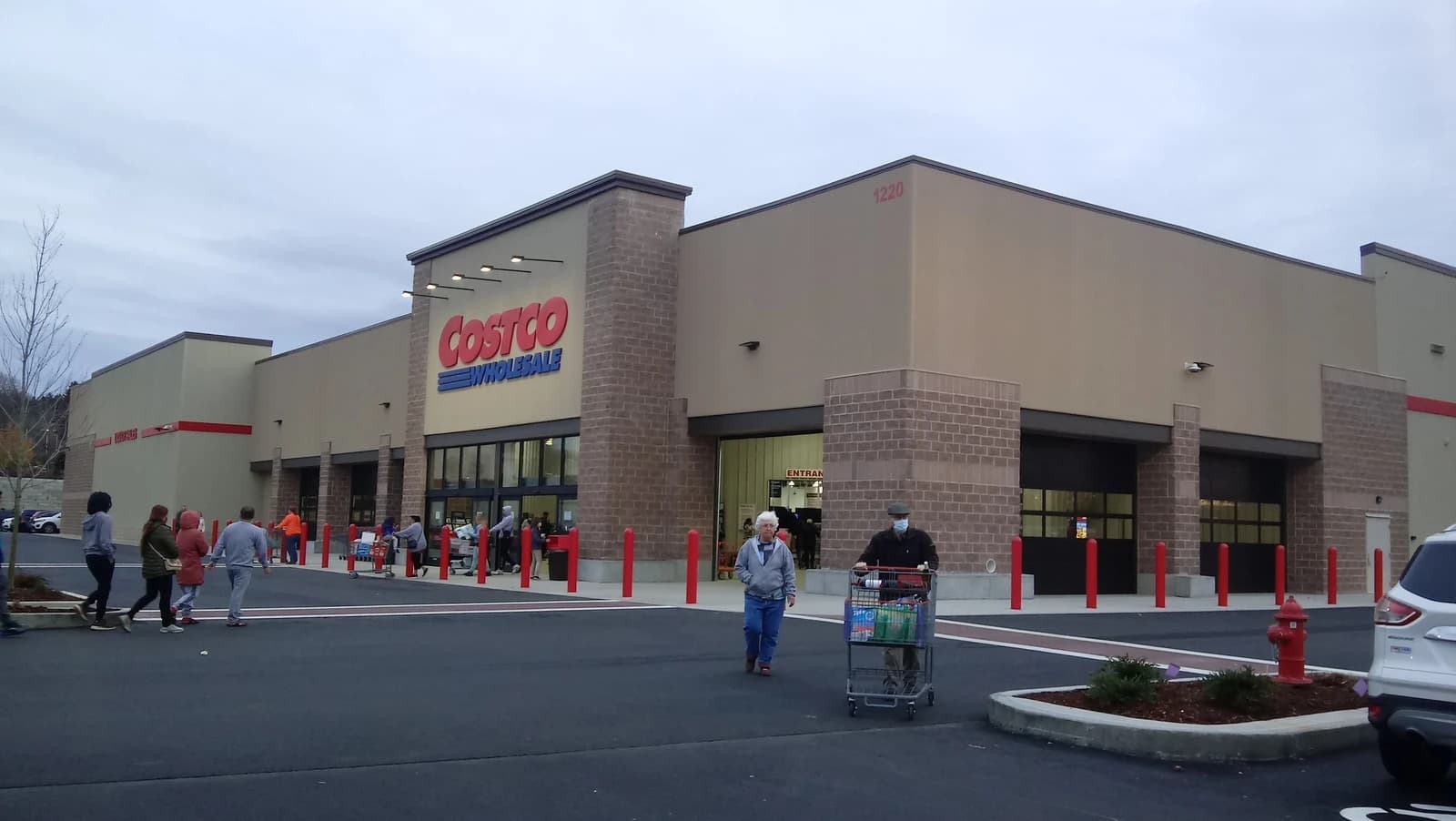
The expansion matters because it gives Costco a bigger digital reach without forcing the company to build out its own last-mile network, while giving DoorDash and Uber a high-frequency, high-value retail partner that can attract members into their apps more often. Costco has 81 million members worldwide and 639 U.S. stores in 47 states, making the partnership a meaningful traffic driver for both delivery platforms and another sign that grocery and household delivery is becoming a core battleground in U.S. retail.
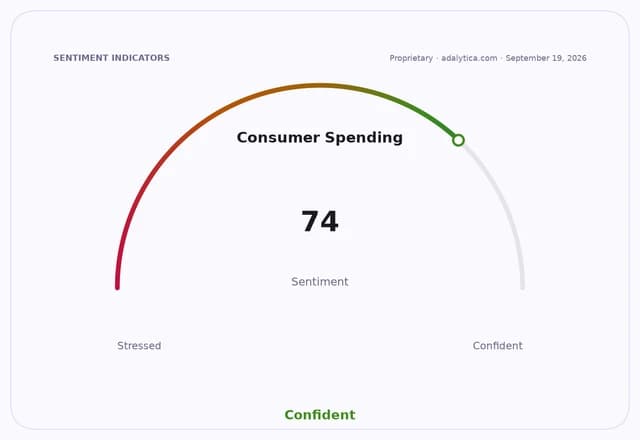
Sentiment IndicatorsⓘProprietary · adalytica.com · September 19, 2026
This is a snapshot — live sentiment, awareness and momentum for 130+ markets update continuously in the dashboard.Open AlphaPulse
DoorDash said Costco was among the most-searched retailers not yet on its U.S. platform, and the company will now deliver groceries, household items and electronics from all Costco U.S. stores to members who link their accounts. Uber Eats said Tuesday it is also expanding Costco delivery nationwide, after previously offering the service only in 17 states, as both delivery companies push deeper into grocery and everyday essentials.
For Costco, the arrangement extends a strategy it already has in place with Instacart and broadens an omnichannel model that helps preserve the warehouse club’s convenience premium. For DoorDash and Uber, winning Costco provides a recognizable brand and a basket size that can improve engagement, even as both firms compete against each other and against Amazon, Instacart and Walmart in the fight for household spending.
The timing also fits a broader consumer trend: shoppers are still willing to pay for convenience, but they are more selective about where they spend. That keeps delivery platforms under pressure to add partners that can support repeat orders and justify the economics of last-mile fulfillment.
Costco shares closed at $895.31 on Sept. 18, below its 50-day moving average of about $936, while DoorDash ended at $192.94, also under its 50-day average near $205. Uber finished at $70.50, below both its 50-day and 200-day moving averages. Technical readings on the stocks showed Costco and Uber in oversold territory, while DoorDash’s RSI was also well below the levels usually associated with strong momentum.
The next test will be whether the new Costco access translates into incremental order volume, higher member frequency and better economics for the delivery platforms as they continue to broaden grocery partnerships nationwide.
| Entity | Gains | Losses |
|---|---|---|
| Costco | ▲broader digital reach | ▼less direct control over delivery |
| DoorDash | ▲more traffic and orders | ▼higher competition for grocery spend |
| Uber Eats | ▲nationwide Costco access | ▼margin pressure from expansion costs |
| Instacart | ▲ongoing Costco relationship | ▼exclusivity advantage fades |