Corrientes is emerging as the clearest grocery spending leader in Argentina’s northeast, with supermarkets in the province generating 21,121 pesos per inhabitant in August, the highest per-capita outlay in the NEA and a sign that consumer demand is holding up better there than in neighboring provinces.
Corrientes supermarkets lead NEA grocery spending
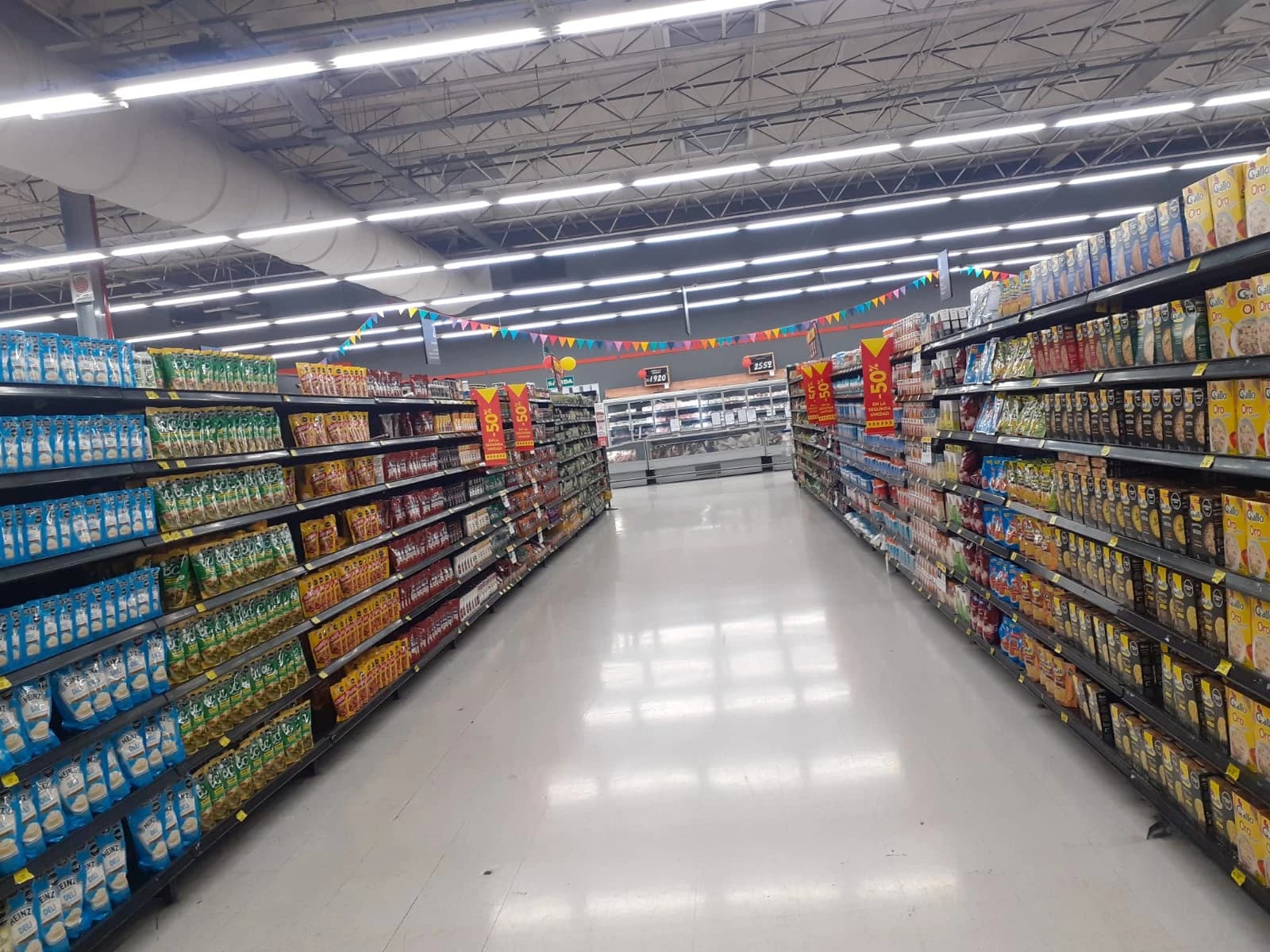
That matters because supermarket spending is one of the cleanest readouts of day-to-day household purchasing power. Corrientes outspent Formosa, at 20,237 pesos per person, Misiones at 19,562 pesos and Chaco at 16,730 pesos, even as its nominal sales growth of 16.3% trailed the national average of 24.2%. In other words, Corrientes is not the fastest-growing market, but it is the deepest market in terms of spending intensity.
Sentiment Indicators
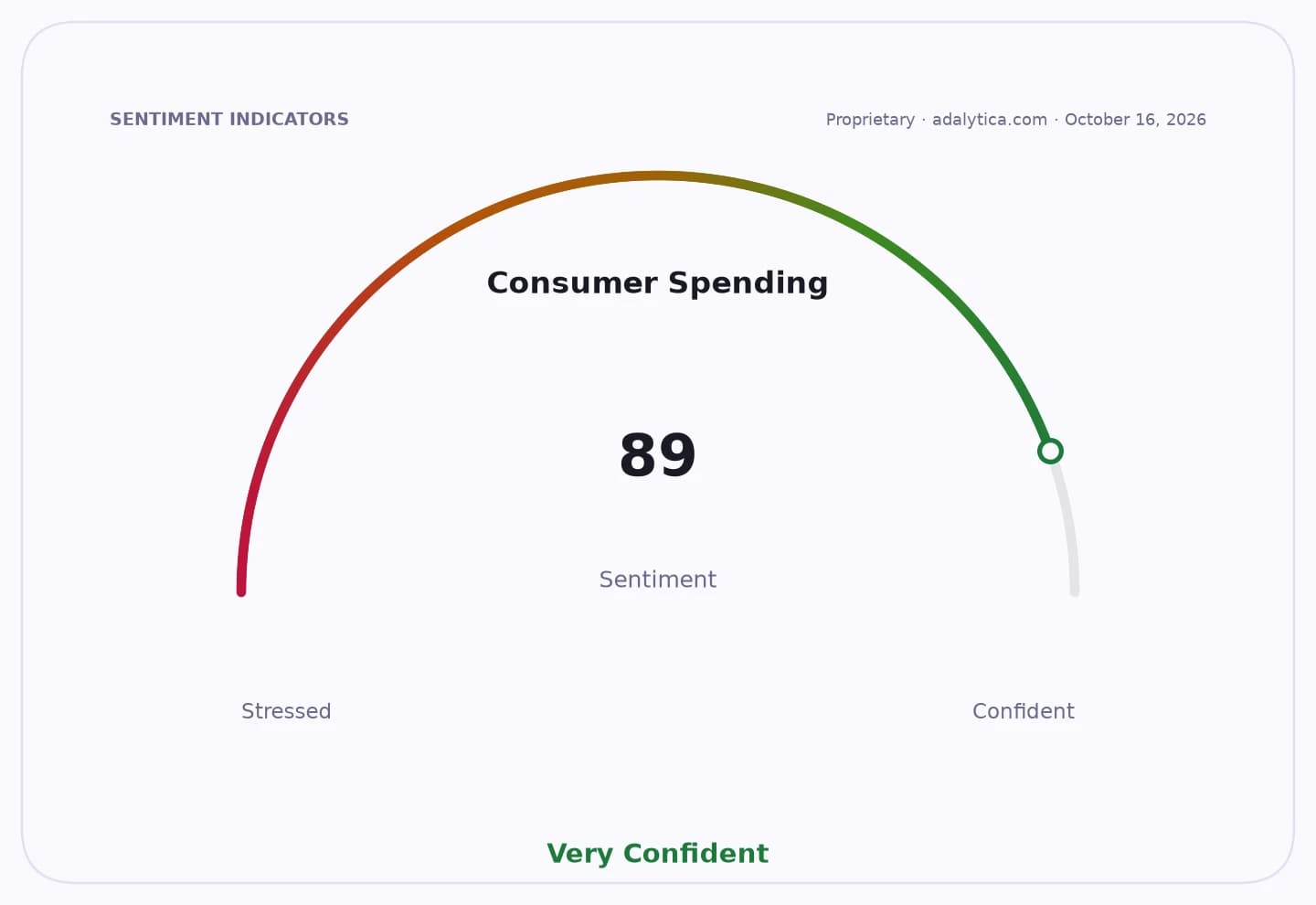
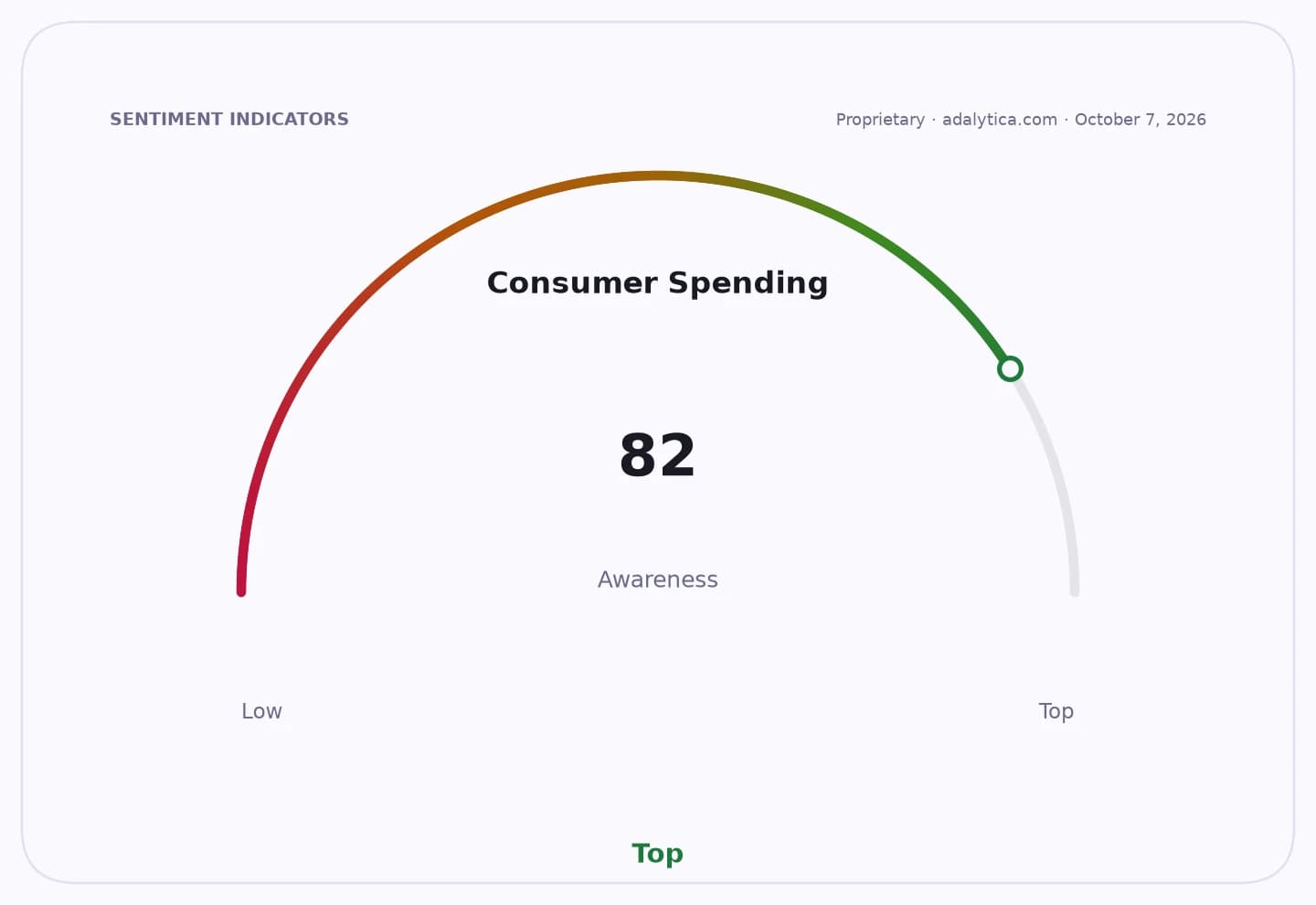
Consumer Spending
The province’s supermarkets rang up 25.52 billion pesos in current prices in August, equal to 1% of national supermarket turnover. That total was also higher than nearby Chaco and Formosa, reinforcing Corrientes’ role as the NEA’s most important retail hub. For investors, that kind of regional outperformance matters because it points to a consumer base with stronger purchasing consistency, which supports everything from grocery chains and consumer staples to logistics and payment networks.
The consumer profile is also nuanced. The average ticket in Corrientes was 27,190 pesos, below the national average of 35,569 pesos, suggesting shoppers are making more frequent, lower-value purchases rather than filling carts with larger baskets. That mix typically favors high-turnover retailers and suppliers with dense store networks, while still leaving room for margin pressure if inflation or wage growth slows.
Consumer Spending
Corrientes counted 938,633 supermarket transactions in the month across 56 stores covering 58,909 square meters of selling space. Sales per store averaged 455.7 million pesos, while revenue per square meter reached 433,239 pesos, well below the national average of 787,964 pesos. That gap tells us there is still untapped productivity in the province’s retail floor space, and likely room for operators with better assortment, pricing and distribution to capture share.
The bigger investment takeaway is that the NEA’s grocery market is not a uniform story of weakness. Corrientes is behaving like a relative winner, even if its growth rate is behind the country as a whole. For investors hunting for asymmetric opportunities in consumer infrastructure, the message is simple: in slower-growing regional markets, the strongest spending density often becomes the most durable competitive advantage.
| Entity | Gains | Losses |
|---|---|---|
| Corrientes supermarkets | ▲Highest NEA spend per capita | ▼Lower sales growth than national average |
| Retailers in Corrientes | ▲Stronger foot traffic and turnover | ▼Margin pressure from smaller basket sizes |
| Chaco and Formosa retailers | ▲None | ▼Lose spending share to Corrientes |
| Grocery suppliers/logistics | ▲Stable regional demand base | ▼Less upside in weaker NEA provinces |