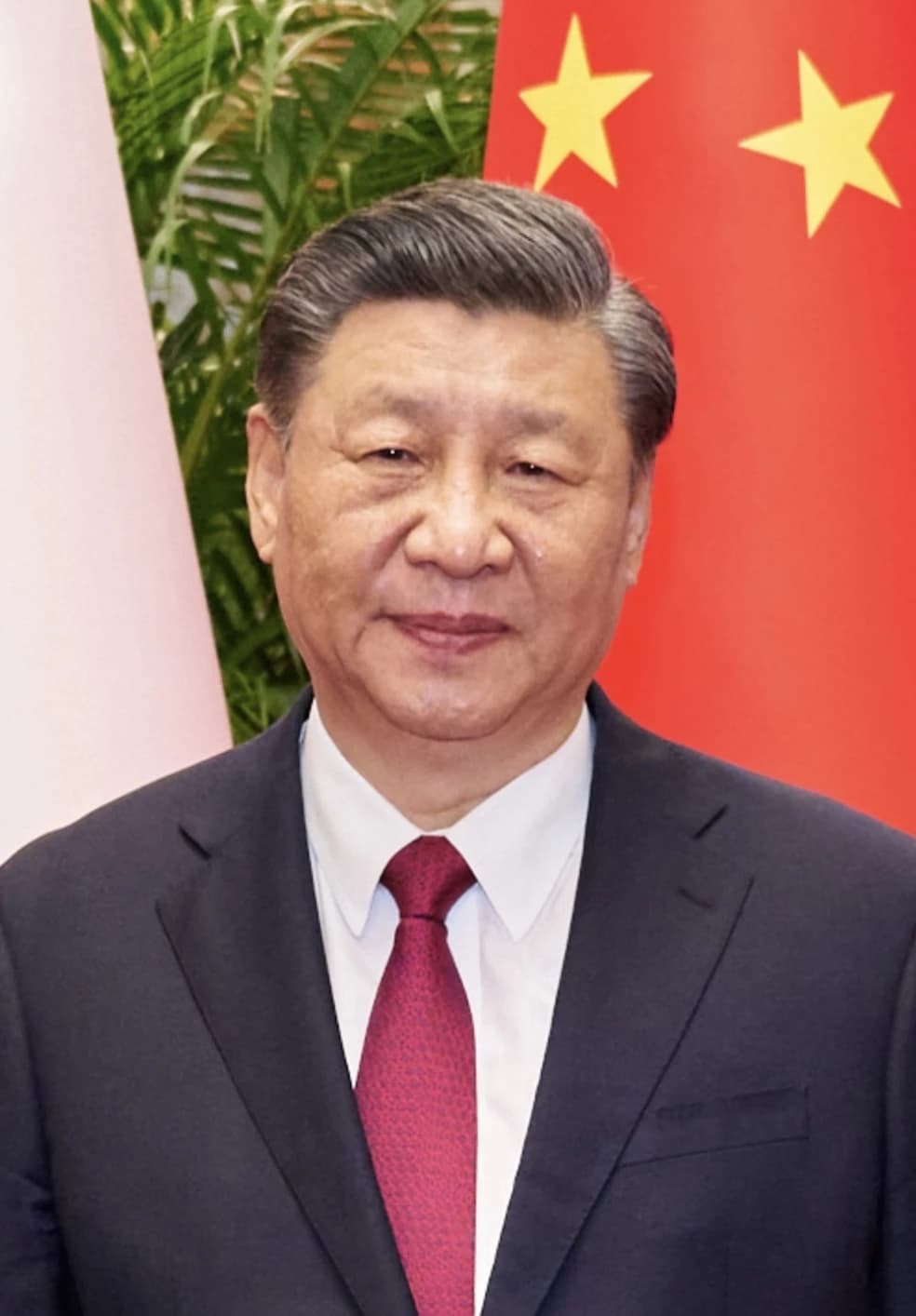
China on Friday used its Orchid Awards to spotlight a familiar diplomatic message: cultural exchange is becoming a bigger part of how Beijing wants the world to engage with it.
China Orchid Awards Highlight Cultural Diplomacy Push
The government honored French Nobel laureate Jean-Marie Gustave Le Clézio, Singaporean scholar Kishore Mahbubani and eight other foreign nationals for work it says has helped bridge China and other countries through art, scholarship and dialogue. For investors and business leaders, that matters because people-to-people links are often the soft infrastructure behind trade, tourism, education and even geopolitical trust.
The awards ceremony in Beijing was the third since the Orchid Awards were established in 2022, underscoring how quickly China is building institutions around what it calls mutual learning between civilizations. More than 300 people attended, including officials, diplomats and representatives from think tanks and media organizations, showing that the event is not just ceremonial but part of a broader state-backed outreach effort.
That effort fits neatly with the Global Civilization Initiative, a Chinese policy frame that emphasizes equality among cultures and rejects what Beijing describes as civilizational superiority. In practical terms, the message is aimed at reducing friction with foreign audiences and keeping China connected to overseas universities, cultural institutions, publishers and opinion leaders at a time when political tensions with the West remain elevated.
For long-term investors, this kind of diplomacy does not move markets on its own, but it can shape the backdrop for sectors exposed to cross-border flows. Chinese outbound and inbound tourism, education services, media, publishing, consumer brands and cultural industries all benefit when countries are more open to one another. The flip side is that harder rhetoric and weaker trust can keep those flows suppressed.
The selection of Le Clézio, whose literary reputation reaches far beyond France, and Mahbubani, a prominent voice on Asia’s place in the world, also shows that China is looking for internationally credible figures who can amplify its message outside official channels. That is important because influence in the modern era is often built less through government statements than through shared institutions and respected intermediaries.
None of this changes the near-term investment case for Chinese assets by itself. But it does reinforce a longer-term theme: Beijing wants to preserve channels with the outside world even as strategic competition intensifies. Investors who think in years rather than weeks should view that as another sign that cultural diplomacy, like trade diplomacy, remains a key part of China’s economic story.
For patient investors, the takeaway is simple: watch whether these symbolic overtures translate into more practical openness in travel, education and business exchange. If they do, the beneficiaries could extend well beyond the award stage.
| Entity | Gains | Losses |
|---|---|---|
| China | ▲Softer global image | ▼Harder to dominate narrative |
| Foreign honorees | ▲Recognition and influence | ▼None immediately |
| Tourism, education and culture sectors | ▲Better cross-border ties | ▼Tighter geopolitical friction |
| Western skeptics | ▲— | ▼China’s diplomacy narrative becomes stronger |