China has launched the International Silk Network, the first global scientific organization in textiles to be based in the country, in a move that could deepen Beijing’s influence over a niche but economically important segment of the global apparel and home-furnishings supply chain.
China launches International Silk Network
The network brings together more than 100 member entities from 20 countries and regions, including major silk-producing and silk-consuming markets, according to organizers. That breadth matters because silk is not just a heritage product; it sits at the intersection of agriculture, textile manufacturing, luxury fashion and trade, giving the new body potential reach well beyond traditional sericulture.
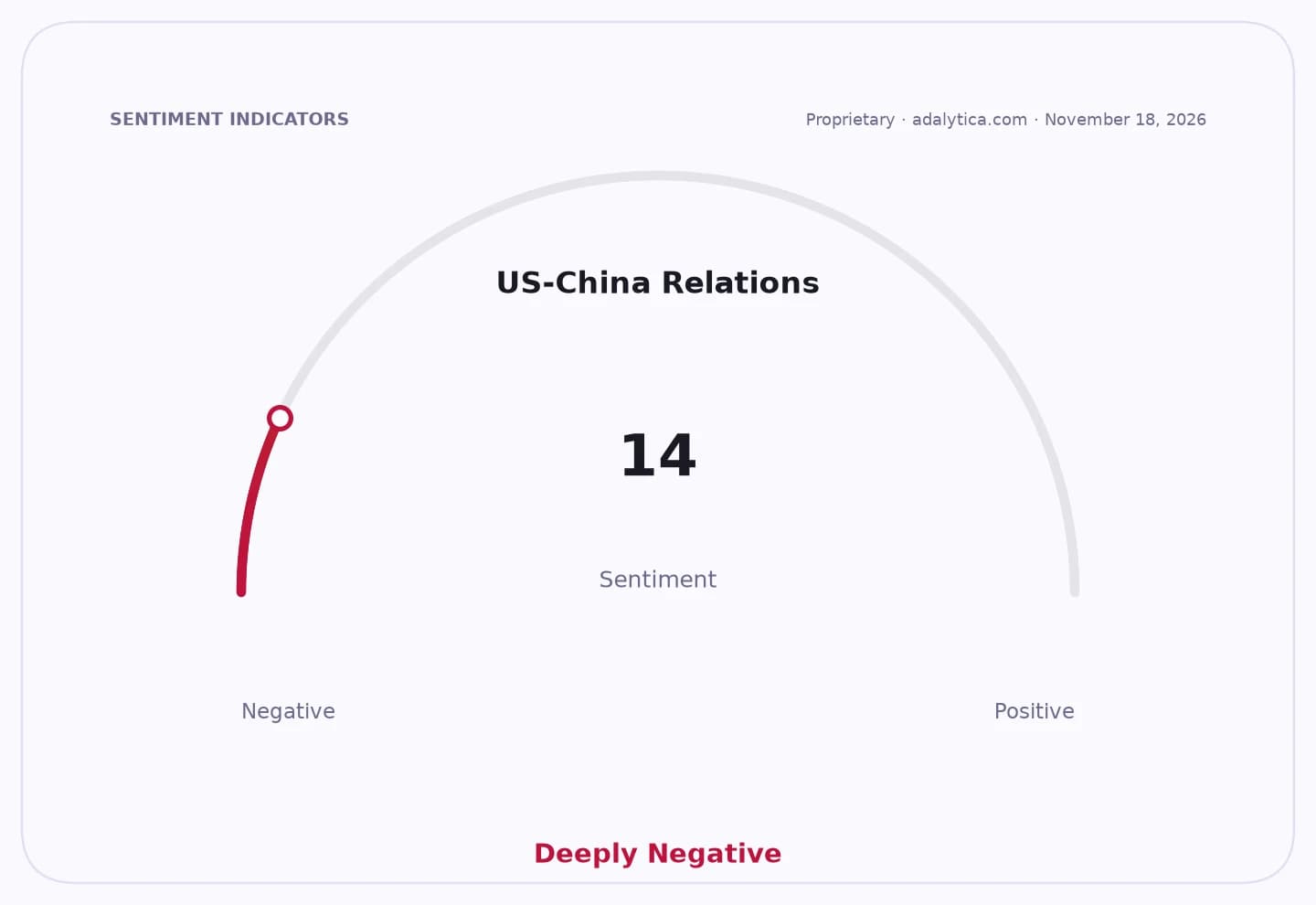
Sentiment Indicators
For China, hosting the network is another sign that it wants to set standards and shape collaboration in advanced and specialty textiles, not merely remain the world’s biggest manufacturer. The initiative also fits a broader push by Chinese institutions to position the country as a convening hub for international industrial cooperation at a time when trade and geopolitical tensions are complicating global sourcing decisions.
For investors in apparel, luxury goods and textile supply chains, the immediate market impact is limited, but the strategic relevance is clearer. A formal multilateral platform devoted to silk could support research, quality standards and supply-chain coordination, potentially benefiting producers, processors and brands that rely on premium natural fibers. It may also matter for companies exposed to China’s textile ecosystem, where policy support and international ties can shape sourcing resilience and input costs.
The timing is notable. Global supply chains remain under strain from trade friction, and companies in apparel and retail have been flagging uncertainty around tariffs, sourcing and logistics. A scientific network with participants from 20 countries offers a softer but still meaningful form of industrial diplomacy, designed to lower barriers to cooperation even as broader U.S.-China relations remain volatile.
The bull case is that the network helps professionalize a fragmented segment of the textile market, improves technical exchange and reinforces China’s role in high-value fiber research and trade. The bear case is that it remains largely symbolic unless it produces concrete standards, commercial linkages or innovation outcomes that materially change production economics.
Either way, the launch underscores a simple narrative: China is trying to move from being the workshop of the textile world to helping write the rules for a specialized global industry.
| Entity | Gains | Losses |
|---|---|---|
| China textile institutions | ▲Global convening power | ▼None immediately |
| Silk producers | ▲More market access | ▼Higher coordination demands |
| Luxury/apparel brands | ▲Better supply-chain dialogue | ▼Less sourcing flexibility |
| Rival textile hubs | ▲Limited spillover benefits | ▼China-led standard setting |