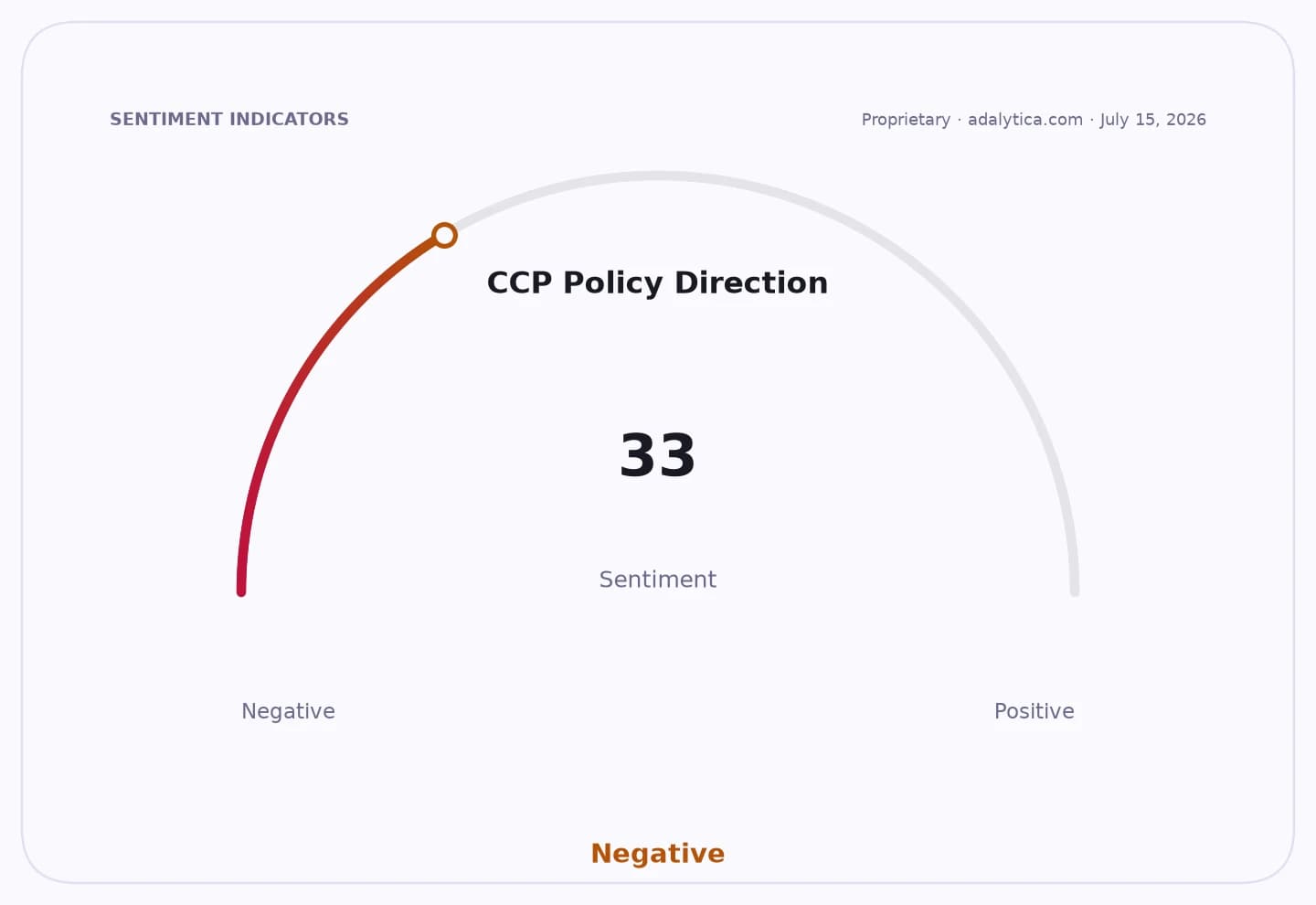
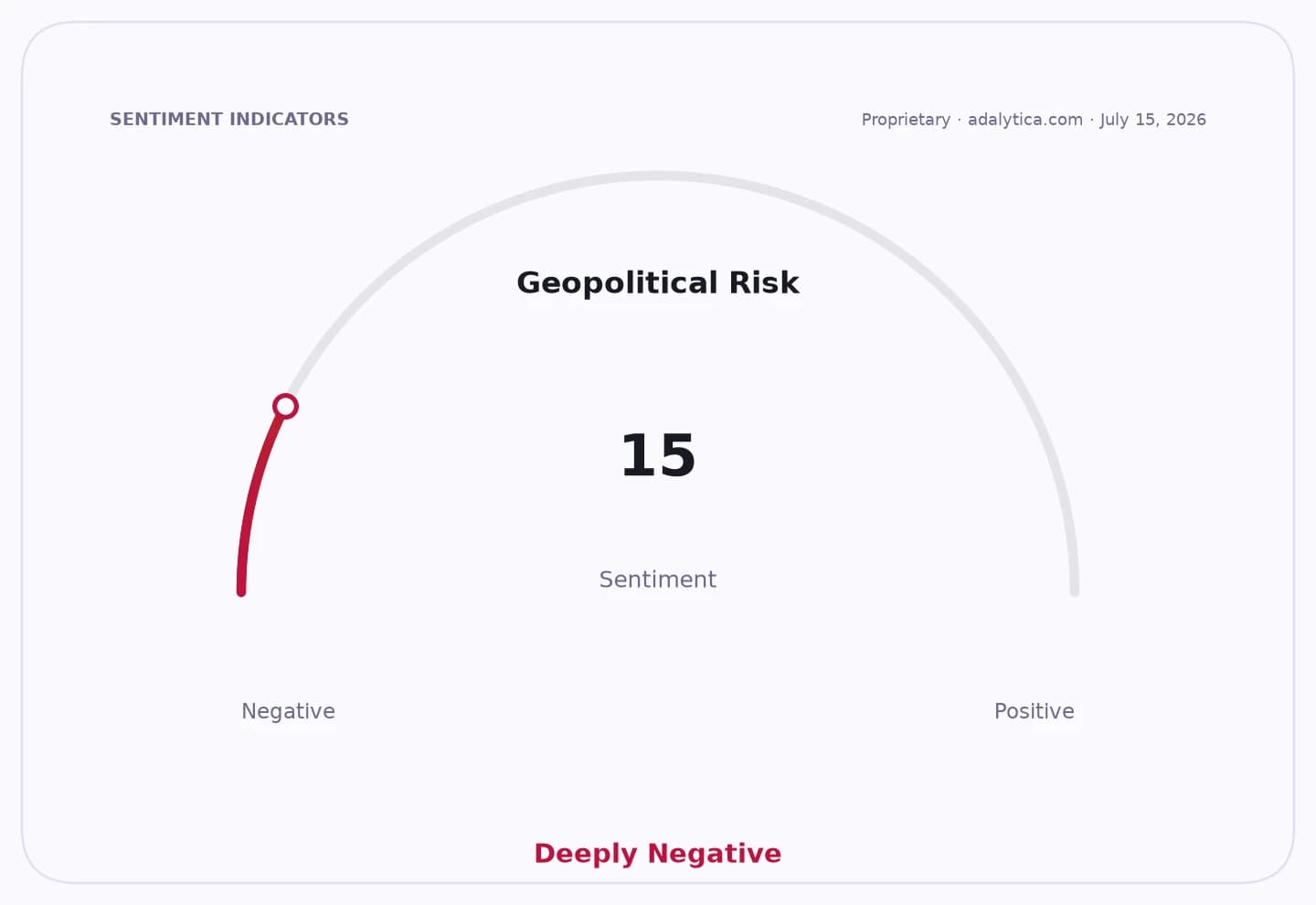
China has begun mass production of humanoid robots at what state media described as the world’s first dedicated factory, a milestone that could move the sector from lab demos to factory-floor deployment and intensify the global race to automate labor-heavy industries.
China Begins Mass Production of Humanoid Robots
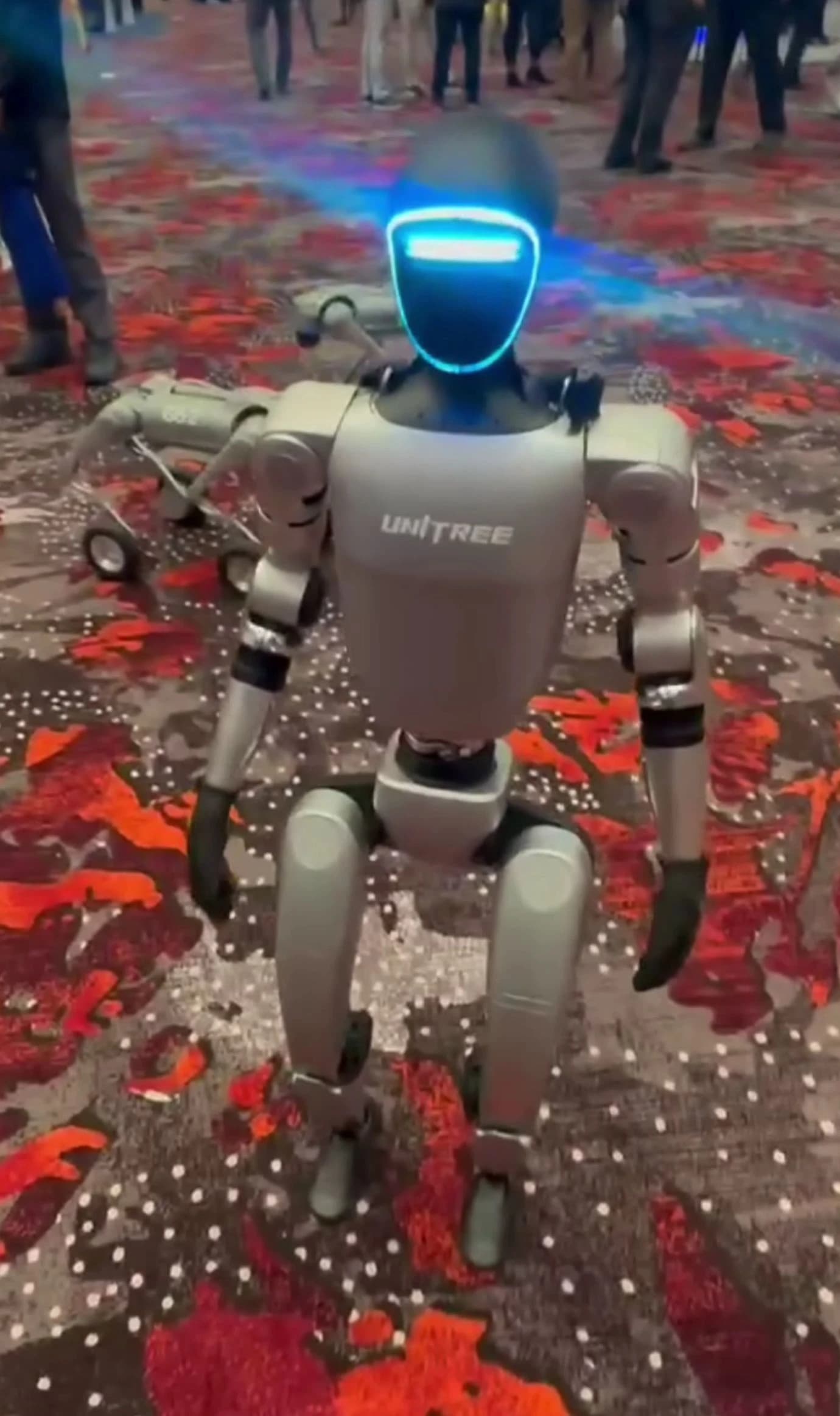
The development matters because humanoid robots sit at the intersection of manufacturing, AI, semiconductors and labor policy. If production can scale, the machines could ease chronic worker shortages in sectors such as shipbuilding, logistics and electronics assembly, while also creating new demand for chips, sensors, actuators and industrial software.
Sentiment IndicatorsⓘProprietary · adalytica.com · September 23, 2026
This is a snapshot — live sentiment, awareness and momentum for 130+ markets update continuously in the dashboard.Open AlphaPulse
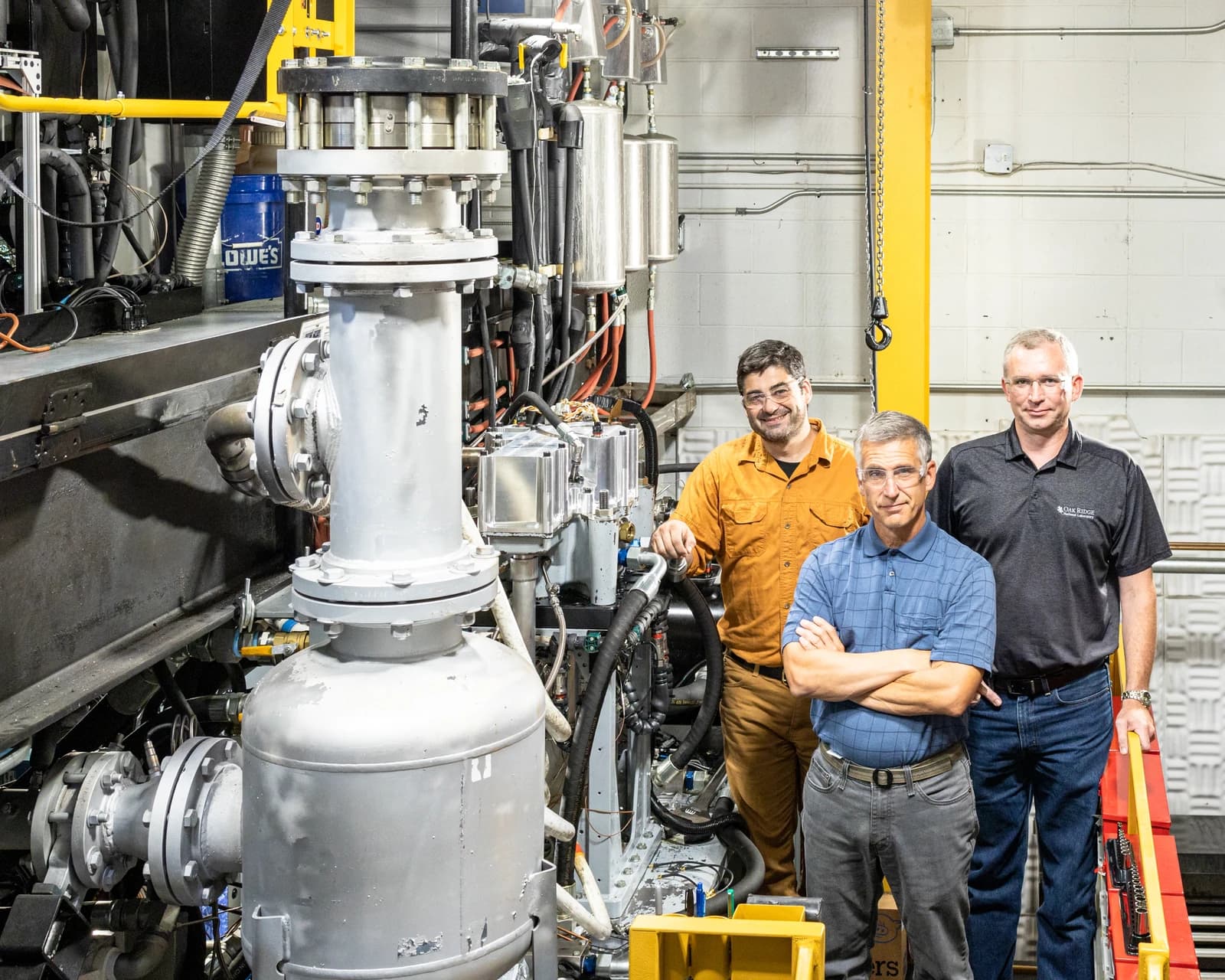
Japan is also pushing physical-AI humanoids for heavy industry, but the technology remains early and expensive. Industry executives have warned that these systems are not a quick fix for structural bottlenecks, with one robotics founder saying delays in U.S. ship construction would not be solved for five to 10 years.
For investors, the announcement reinforces a broader theme: China is trying to turn robotics into a strategic manufacturing edge, much as it has done in electric vehicles and batteries. That raises the stakes for global robotics suppliers, AI infrastructure names and semiconductor makers exposed to China demand, even as trade restrictions and local competition complicate the outlook.
U.S.-China relations remain a key overhang. Adalytica’s US-China Relations Sentiment gauge sits at 85, or “Greed,” with awareness at 96, suggesting elevated market attention to cross-border technology competition. Global Stability sentiment is neutral, but awareness is still in “Fear” territory, reflecting the geopolitical sensitivity around advanced automation and AI.
Shares tied to robotics have already shown volatility. UBOT was last at $22.48, above its 50-day moving average of $22.57 and still below its 200-day average of $25.26, while BOTZ closed at $35.82, slightly above its 50-day average of $35.71 but under its 200-day line of $36.90. The mixed technical setup suggests investors are waiting for evidence that humanoid production can translate into revenue, orders and margins rather than headline momentum alone.
The next catalysts are likely to come from further factory ramp details, customer wins in industrial settings and any policy response from Washington, Tokyo or Brussels as humanoid robotics moves closer to commercial scale.
| Entity | Gains | Losses |
|---|---|---|
| Chinese robotics makers | ▲Scale and policy backing | ▼High execution risk |
| Industrial employers | ▲More automation capacity | ▼Near-term labor pressure |
| Robotics ETF holders | ▲Sector momentum | ▼Valuation swings |
| U.S. and Japan rivals | ▲Incentive to innovate | ▼Market-share risk |