China’s sea-based rocket program is moving from one-off launches to an industrial system, with Haiyang in Shandong now hosting assembly, testing, rollout and launch integration as Gravity-1 set a national record for payload weight and orbital altitude from sea. The shift matters because it lowers launch costs, improves mission flexibility and gives China a more scalable commercial path for putting satellites into orbit.
China Haiyang sea launch site expands industrial system

The Gravity-1 launch on Sept. 15 sent nine satellites into orbit, including eight Qianfan constellation satellites, to an altitude of about 800 kilometers with more than 3 tonnes of net payload. It was China’s 28th sea launch since the first in June 2019, and the program has maintained a 100% success rate, a track record that strengthens the economics of commercial launch services.
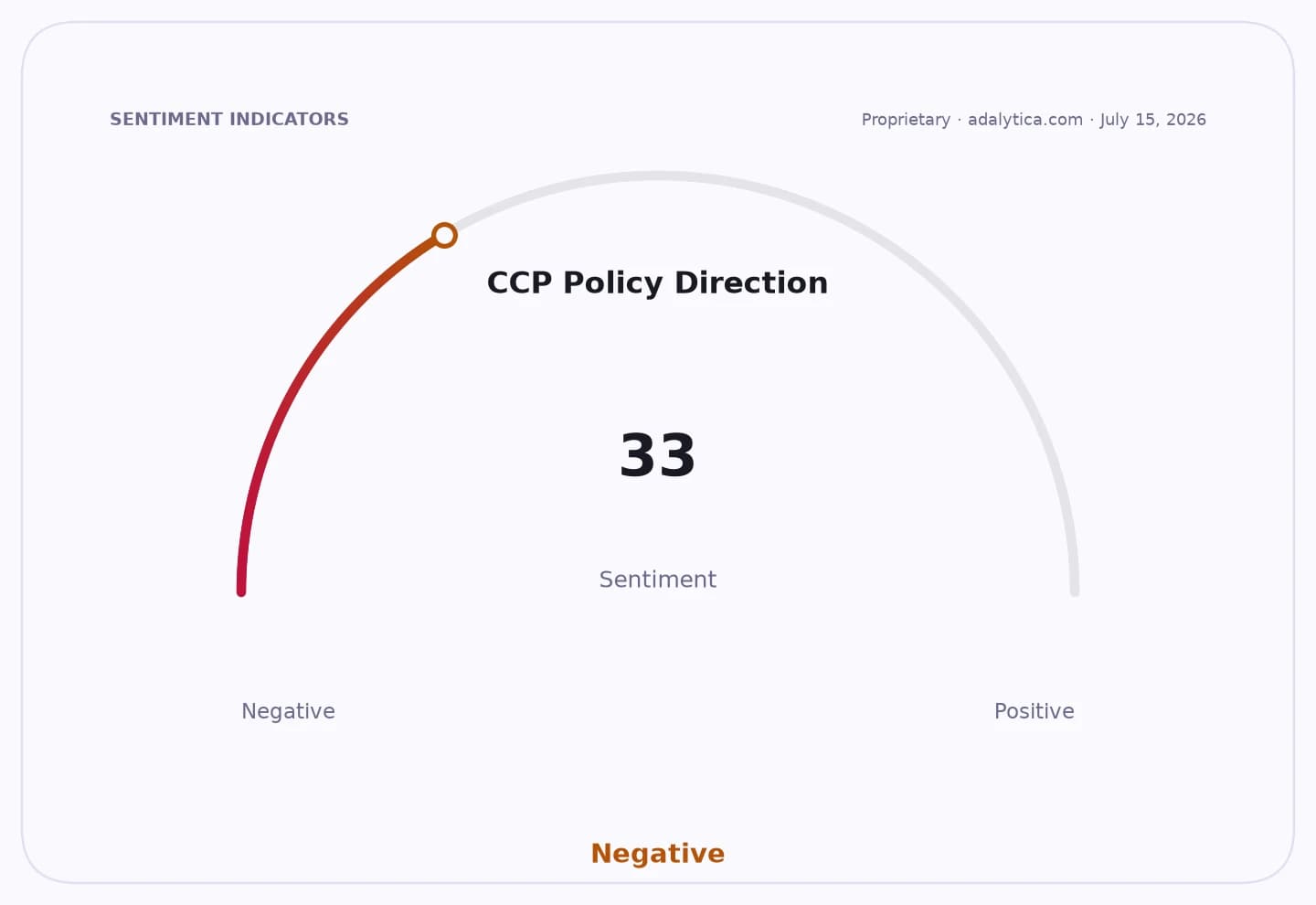
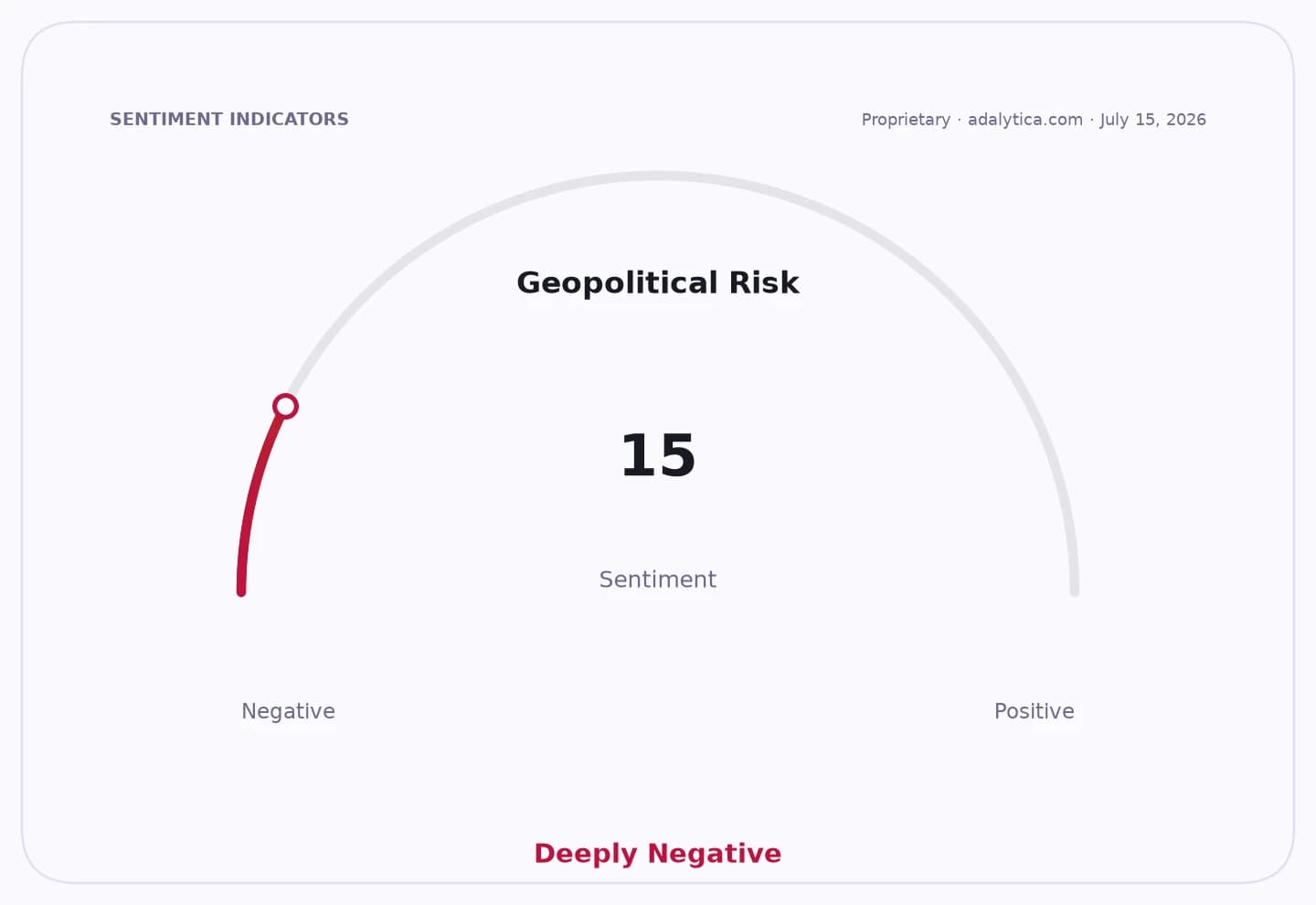
Sentiment IndicatorsⓘProprietary · adalytica.com · September 22, 2026
This is a snapshot — live sentiment, awareness and momentum for 130+ markets update continuously in the dashboard.Open AlphaPulse
Haiyang’s role is the bigger story for investors and the broader space supply chain. The Oriental Spaceport now has the country’s largest solid-rocket final assembly and testing facility, with annual capacity for 50 rockets and 50 propellant tanks, and it has attracted 30 aerospace projects with more than 32 billion yuan, or about $4.8 billion, of investment. Three national standards led by the spaceport were recently approved, giving the site influence beyond operations and into the rules that will shape China’s sea-launch market.
That standard-setting function points to a more mature commercial model. Sea launches reduce coordination with airspace and shipping routes, allow a wider range of orbital inclinations and drop debris into unpopulated waters, all of which support higher cadence and broader satellite deployment. The industrial logic also favors combining sea launch with sea recovery, which could raise payload efficiency and cut refurbishment time if China can solve the engineering and logistics hurdles.
For investors, the development reinforces the scale of China’s commercial space ambitions and the competitive pressure on global launch providers. Space launch remains a capital-intensive business where reliability, cadence and cost per kilogram drive contracts, and a vertically integrated site like Haiyang can give domestic operators an edge as satellite constellations expand.
U.S. space stocks such as Rocket Lab and defense-heavy peers like Lockheed Martin and Northrop Grumman are not directly exposed to Haiyang, but the trend underscores the growing strategic value of launch capacity, satellite deployment and industrialized space infrastructure. The next catalyst is whether China can turn the current sea-launch record into repeatable, lower-cost operations at higher frequency.
| Entity | Gains | Losses |
|---|---|---|
| Haiyang Oriental Spaceport | ▲More investment, standard-setting power | ▼Higher execution burden |
| Chinese launch providers | ▲Lower costs, higher cadence | ▼Operational complexity |
| Chinese satellite operators | ▲Faster constellation deployment | ▼Dependence on launch reliability |
| Global launch competitors | ▲— | ▼More competition for commercial contracts |