China has rejected the European Union’s new Arctic strategy, warning that Brussels is importing “Cold War thinking” into a region that is becoming more strategic as climate change opens shipping lanes and resource access.
China Rejects EU Arctic Strategy Over Cold War Claims
The pushback matters because the Arctic is shifting from a remote frontier into a contested economic and security theater for Europe, China, Russia and the United States. Brussels has tied its tougher posture to Beijing’s growing ambitions in the north and its cooperation with Moscow, signaling that the EU now sees Arctic policy as part of a wider geopolitical contest.
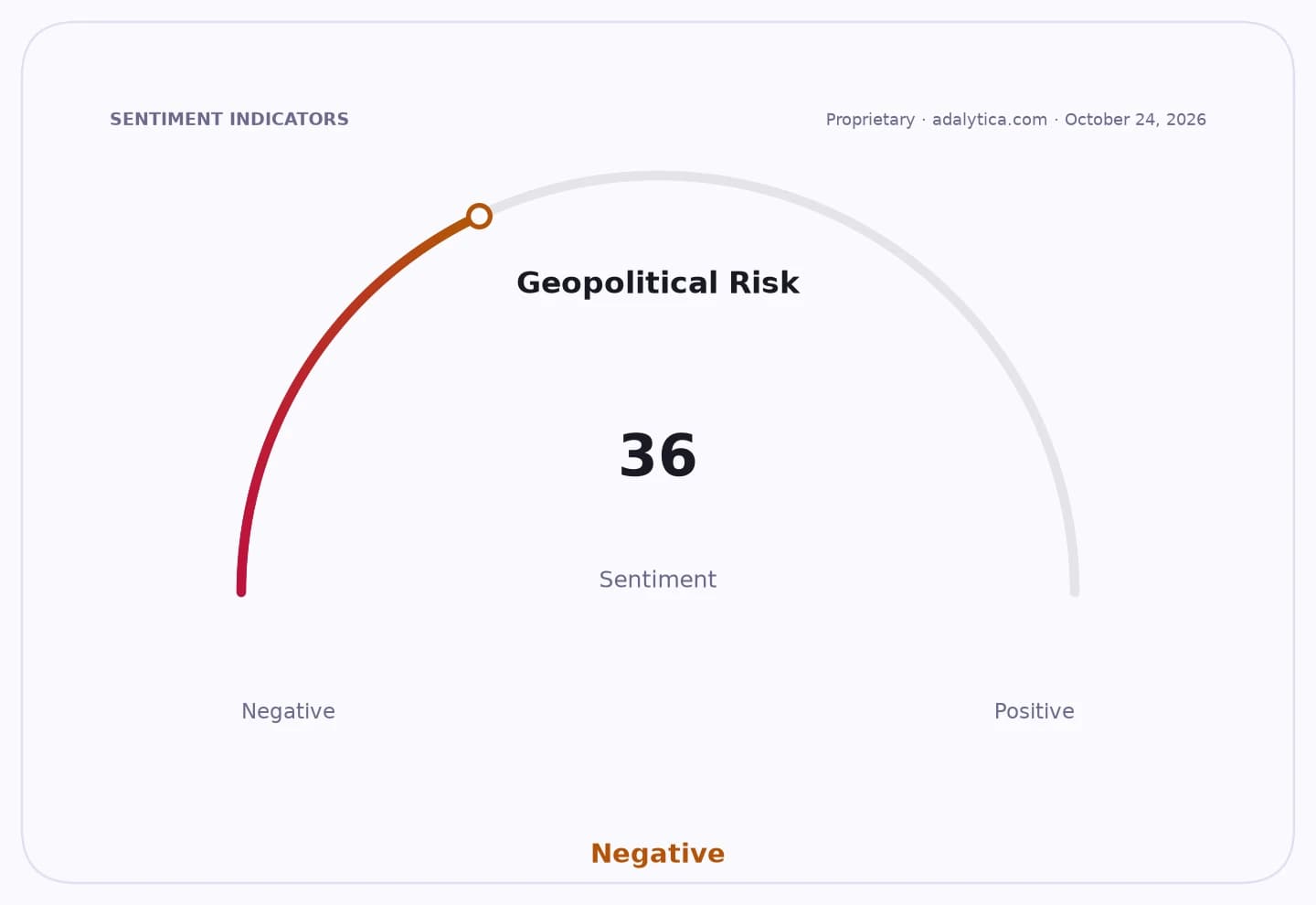
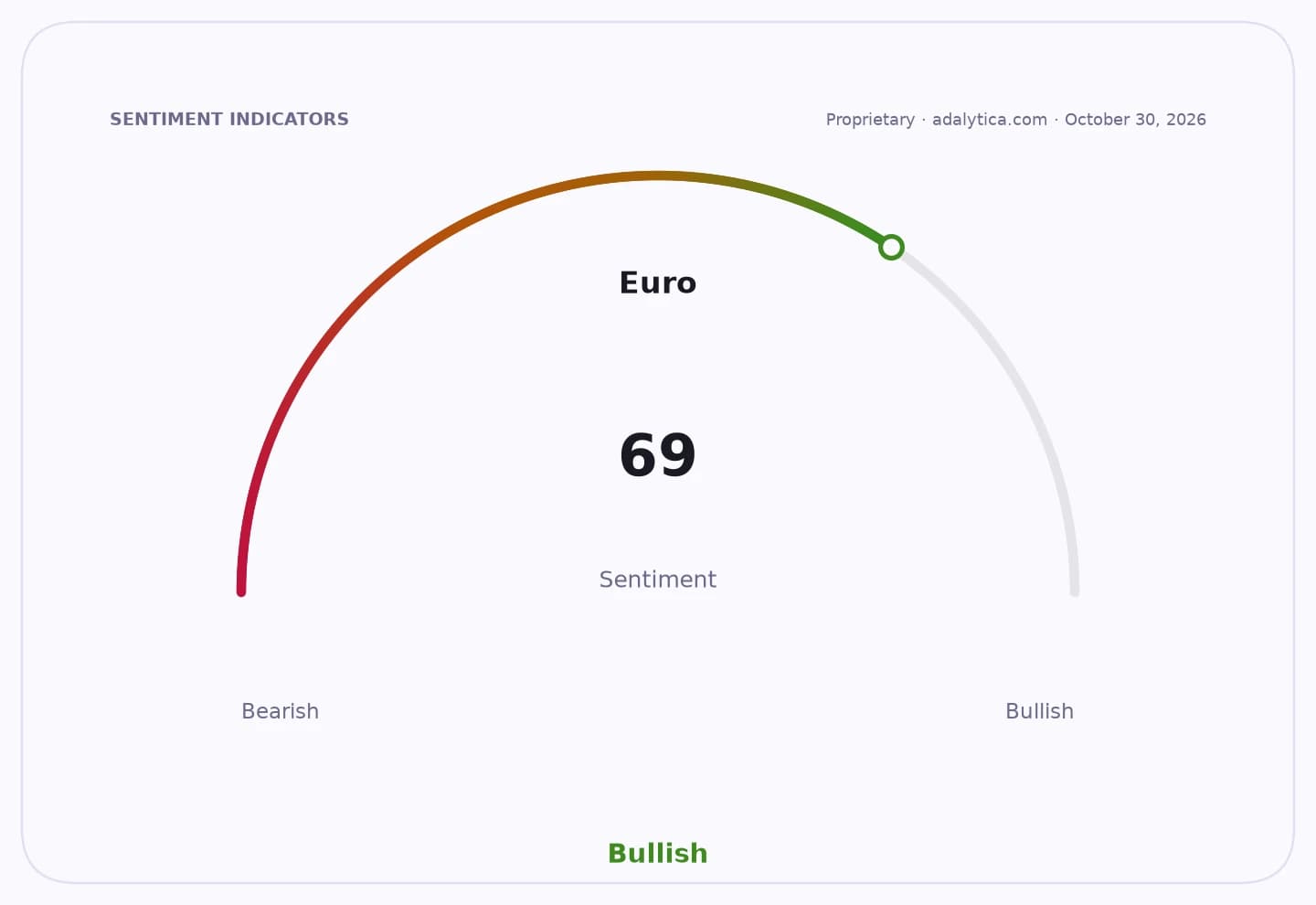
Sentiment Indicators
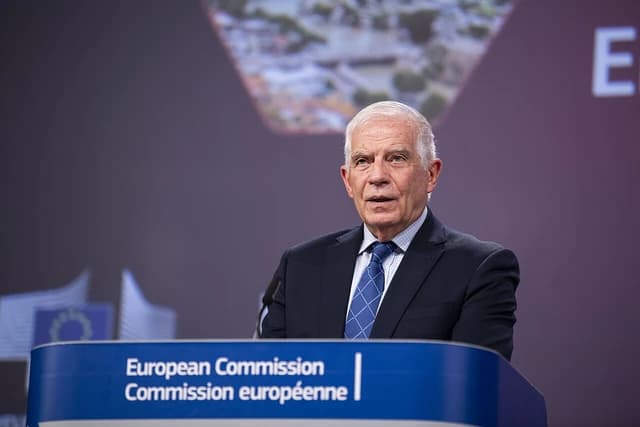
Chinese foreign ministry spokeswoman Mao Ning said using bloc politics and “geopolitical contradictions” would not support peaceful development in the Arctic, according to AFP. The comment is a direct rebuke to EU foreign policy chief Kaja Kallas, who has urged the bloc to take northern security more seriously.
For investors, the rhetoric adds another layer of geopolitical risk around Arctic trade routes, energy development and logistics. The region’s commercial value is rising as ice retreat makes passages more accessible, but a harder security line from the EU raises the odds of tighter regulation, sanctions risk and slower cross-border cooperation.
Geopolitical Risk — 30-day sentimentadalytica.com
Explore this data interactively — full history, time series and cross-market comparisons.
CCP Policy Direction
The backdrop is also moving beyond Europe. Russia has said it is open to potential cooperation with the United States in the Arctic, including joint natural-gas extraction projects, underscoring how resource competition is drawing in major powers even as political fault lines deepen.
Markets tied to Arctic shipping, energy and resource extraction remain sensitive to any escalation in great-power rivalry, while diplomatic thaw or commercial cooperation could unlock projects that have long been delayed by sanctions and security concerns. The next catalyst is whether Brussels turns its new strategy into concrete funding, patrols or restrictions — and whether Beijing responds with more than words.
| Entity | Gains | Losses |
|---|---|---|
| EU security planners | ▲stronger Arctic posture | ▼accusations of bloc politics |
| China | ▲room to defend its Arctic role | ▼pressure over regional ambitions |
| Russia | ▲leverage in Arctic diplomacy | ▼greater Western scrutiny |
| Energy and shipping investors | ▲longer-term project clarity if talks hold | ▼sanctions and policy risk |