China’s rapid rise as the world’s largest blueberry producer is squeezing Western breeders, forcing a fight over plant varieties that could shape pricing, margins and market access across the berry industry.
China blueberry production squeezes Western breeders
What began as a niche fruit in China has become a scale story with direct economic consequences. Since 2010, Chinese blueberry production has risen 25-fold, overtaking the U.S. in 2021 and reaching about twice America’s output by 2025, according to reporting cited by The Wall Street Journal. That surge has flooded the market with cheaper fruit, halving prices or more in some cases and turning what looked like a premium-growth opportunity into a fierce commodity battle.
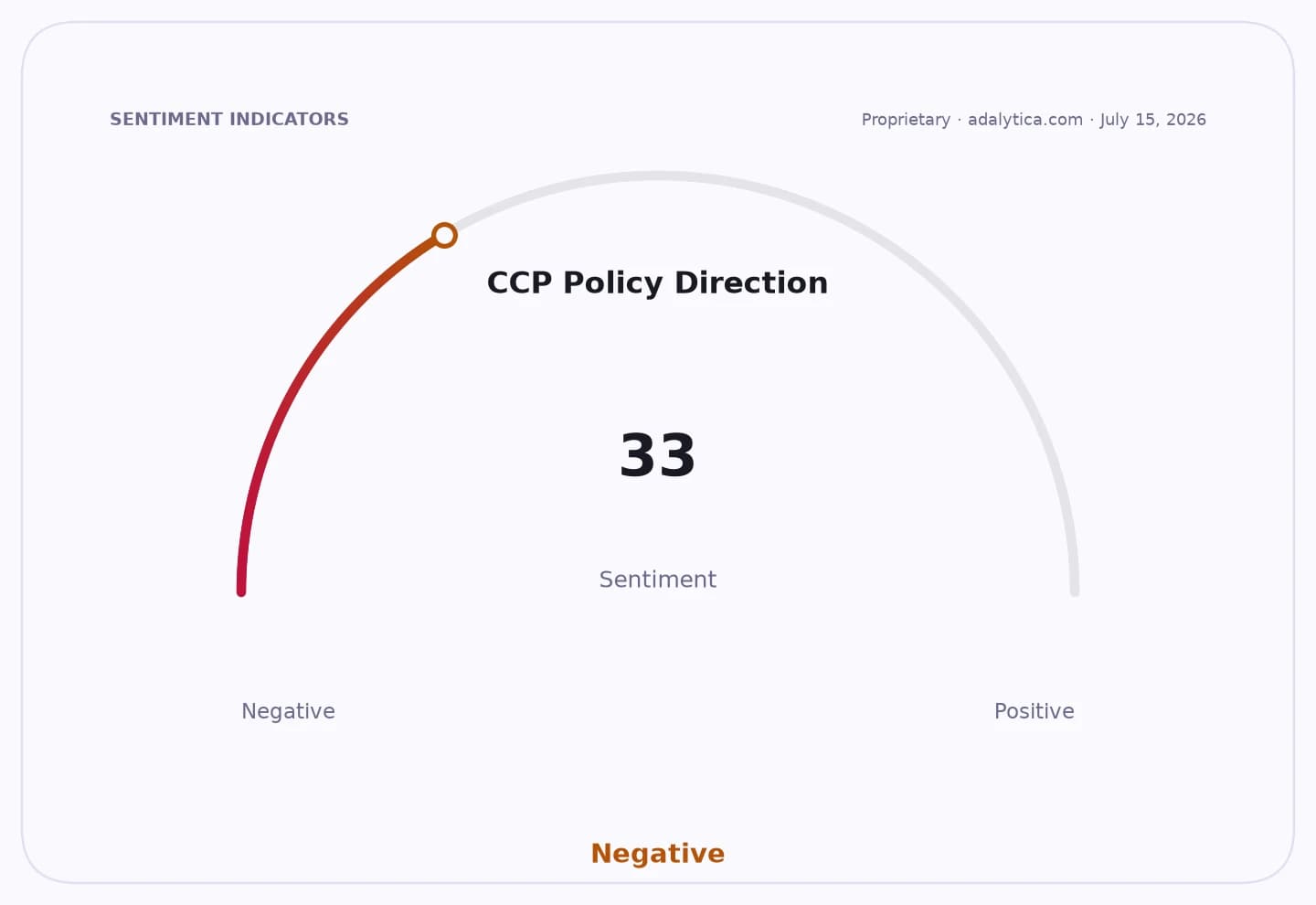
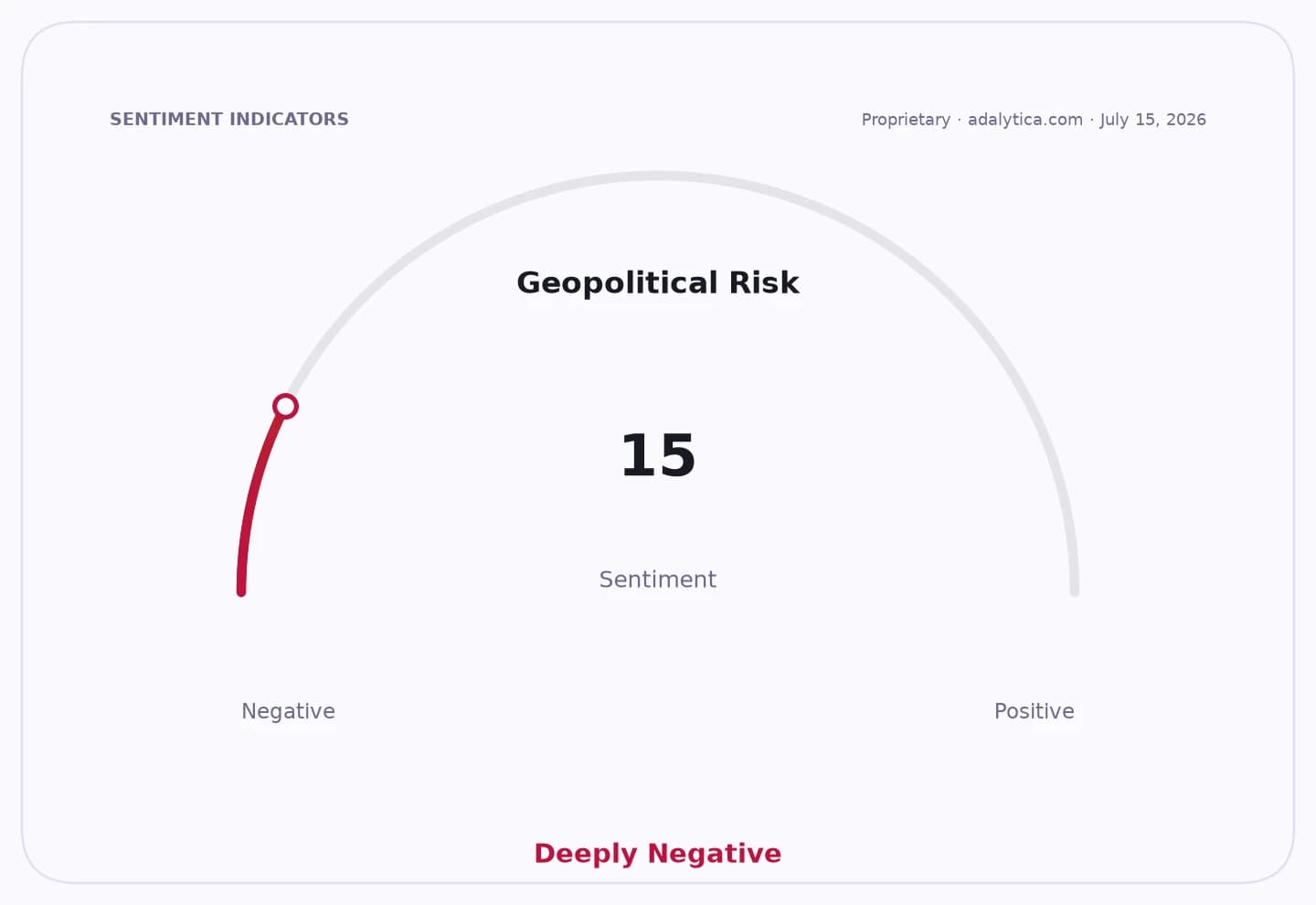
Sentiment IndicatorsⓘProprietary · adalytica.com · September 22, 2026
This is a snapshot — live sentiment, awareness and momentum for 130+ markets update continuously in the dashboard.Open AlphaPulse
For growers and investors, the key issue is no longer just demand expansion but who captures the value. Western companies such as Driscoll’s and Spain’s Planasa spent years building proprietary varieties suited to China’s climate and consumer tastes. Now they are trying to protect that intellectual property as local producers allegedly reproduce protected plants without authorization. Driscoll’s has filed more than 20 lawsuits in China over suspected misuse of its varieties, while Planasa hired private investigators to buy suspect seedlings and genetically test them. In at least one case, DNA evidence and a grower confession led a court to find most of the plants in a nursery were illegally propagated.
The economics of the boom explain why the legal fight has intensified. A Beijing investor quoted in the report said Yunnan blueberry prices fell from $45 a kilogram in 2021 to $15 this year, a collapse that suggests supply has outrun orderly market development. Lower prices can broaden consumption, but they also erode returns for licensed breeders and legitimate farmers while rewarding those able to move fastest and cheapest. The result is a classic scaling problem: once a crop becomes fashionable, the competitive edge shifts from demand creation to control of genetics, distribution and enforcement.
That matters beyond blueberries. China’s agricultural expansion in products such as avocados, durian and tomato paste shows a broader pattern in which domestic producers can rapidly commoditize once-imported or premium categories. For Western intellectual-property holders, that raises the cost of operating in China and weakens the assumption that proprietary plant science will translate cleanly into durable pricing power. For Chinese growers, tighter enforcement could help stabilize the industry, but weaker enforcement encourages copying, excess planting and further price pressure.
Investors in berry-linked companies should watch for two competing outcomes. One is that stronger legal protection in China could restore some value to licensed varieties and support premium pricing for breeders with defensible genetics. The other is that continued unauthorized propagation keeps supply expanding, prolonging margin pressure and making the market increasingly dependent on volume rather than pricing. In either case, China’s blueberry machine has already changed the industry: the fight is now over ownership, not just output.
| Entity | Gains | Losses |
|---|---|---|
| Chinese growers | ▲Higher volumes, lower-cost expansion | ▼Lower prices, enforcement risk |
| Western breeders | ▲Potential IP enforcement, licensing upside | ▼Lost control of varieties |
| Consumers in China | ▲Cheaper blueberries, wider availability | ▼Less variety if tighter controls |
| Legitimate farmers | ▲Clearer rules if protection improves | ▼Margin pressure from copycats |