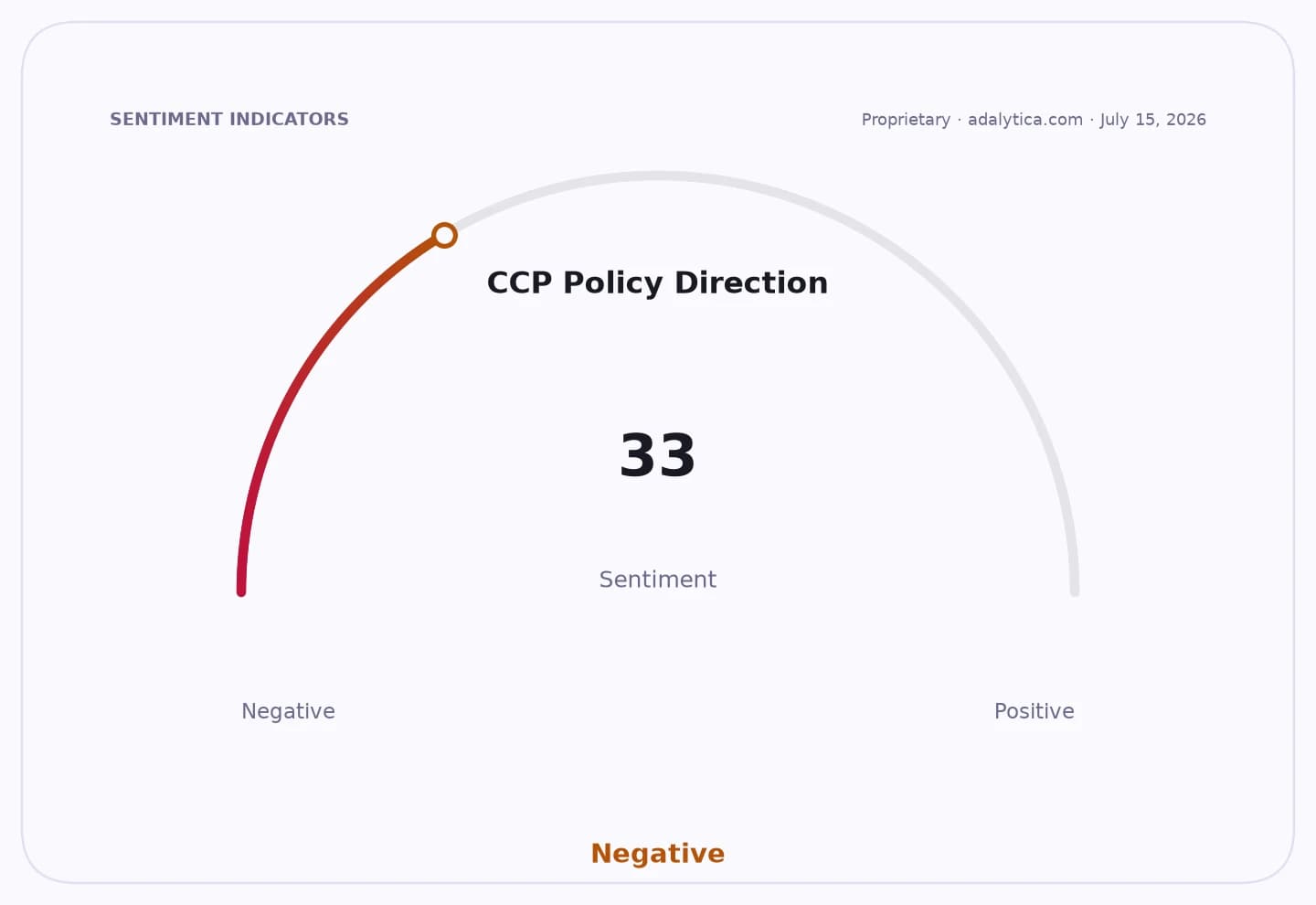
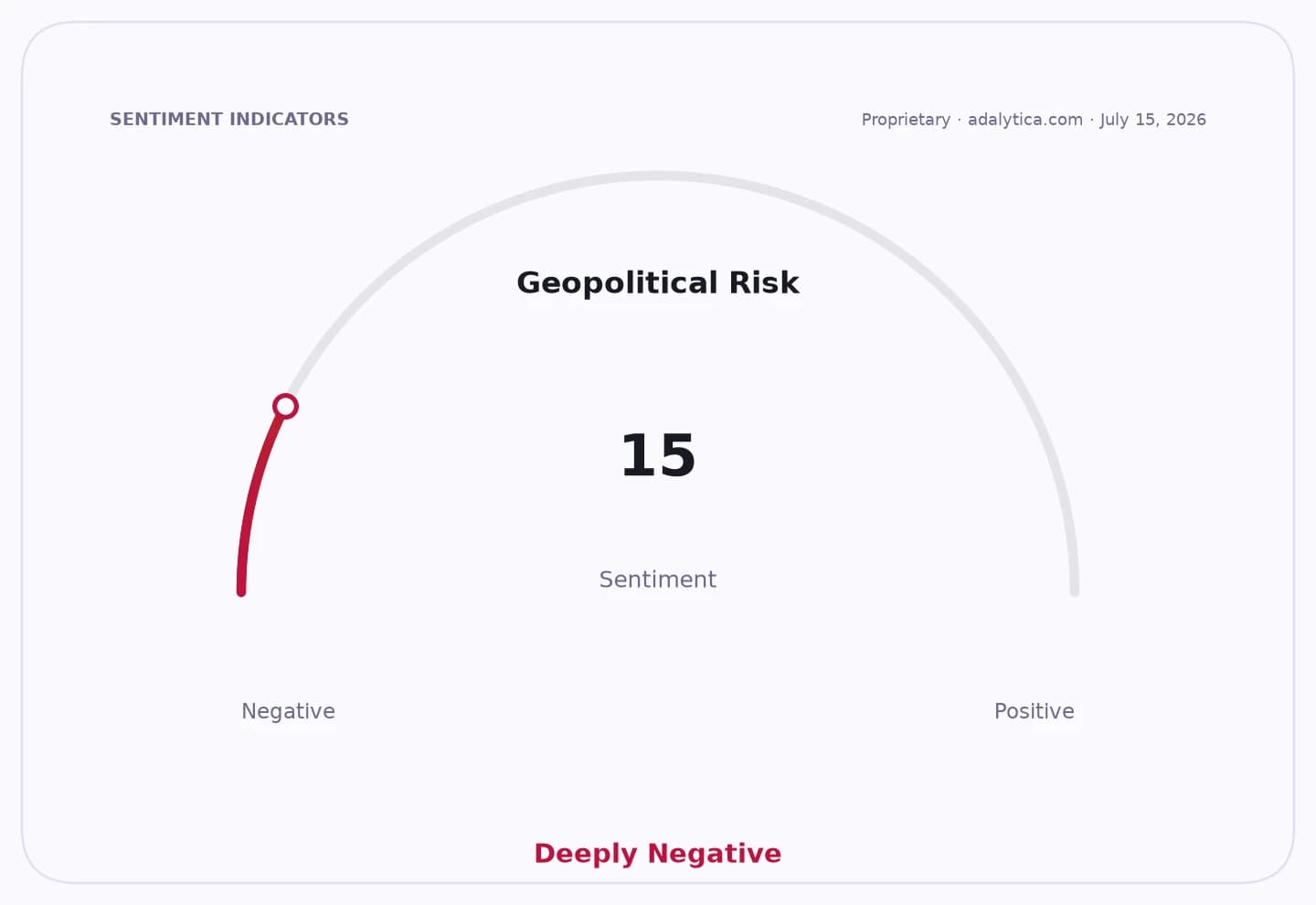
China and Australia used a high-level parliamentary meeting in Beijing to keep one of Asia’s most economically important bilateral relationships on a steadier footing, with the biggest market implication being less about immediate policy change than about whether the two trading partners can preserve a working channel amid broader U.S.-China tension.
China and Australia hold Beijing parliamentary meeting
Zhao Leji, chairman of China’s National People’s Congress Standing Committee, met Australia’s House of Representatives Speaker Milton Dick at the Great Hall of the People on Sept. 20, according to Xinhua. The optics matter because Canberra and Beijing have spent the past two years trying to normalize relations after a period of tariffs, trade restrictions and political friction that hit commodities, agriculture and education links. Parliamentary diplomacy does not move cargoes on its own, but it helps reduce the risk that commercial ties are whipsawed by political escalation.
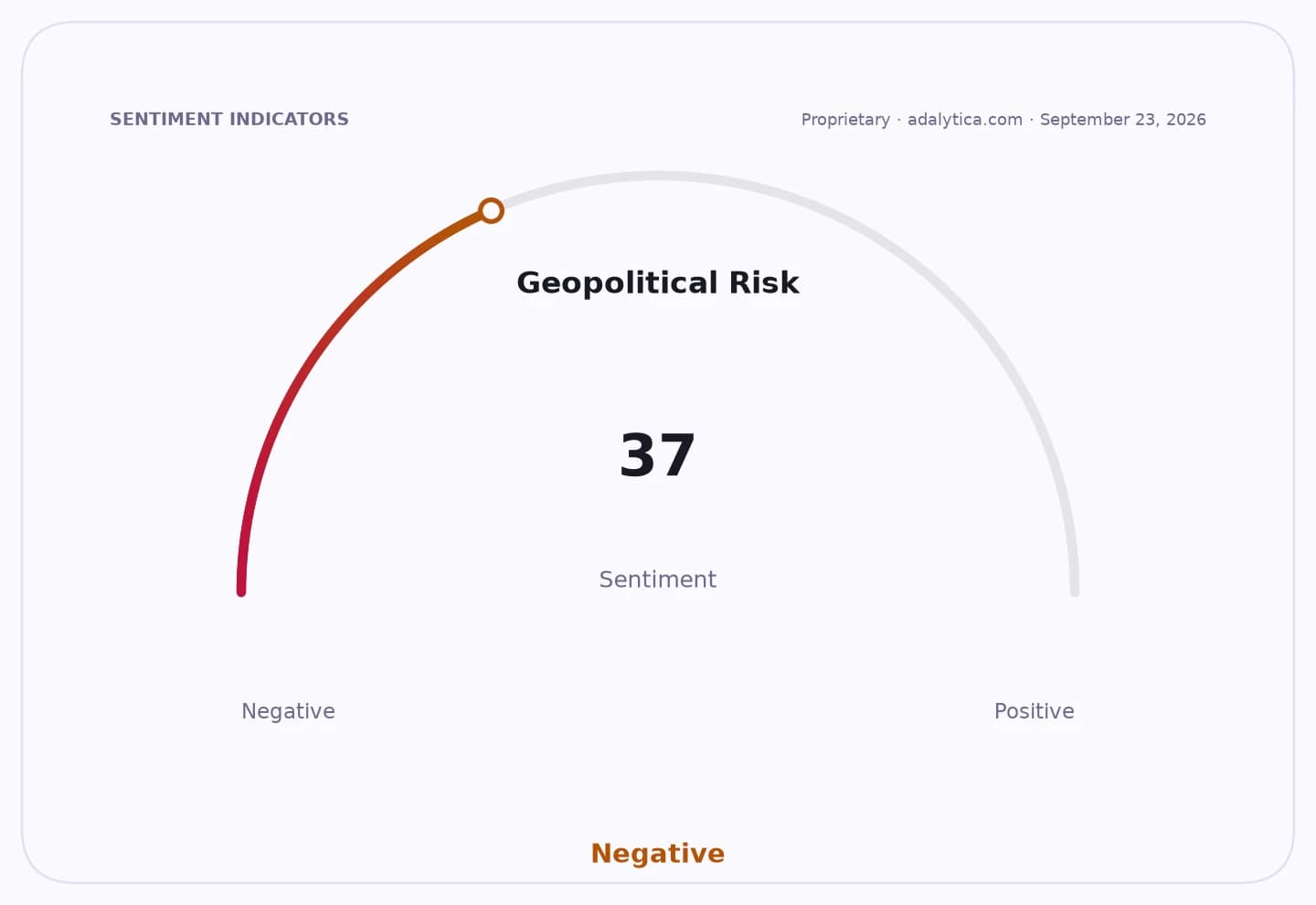
Sentiment IndicatorsⓘProprietary · adalytica.com · September 23, 2026
This is a snapshot — live sentiment, awareness and momentum for 130+ markets update continuously in the dashboard.Open AlphaPulse
That matters economically because China remains central to Australia’s export model, especially in iron ore, coal and other raw materials that feed Chinese industry and construction. For Beijing, a more predictable relationship with Australia supports supply security; for Canberra, it protects access to its biggest trading partner and limits the chance that diplomatic setbacks spill back into prices, volumes and investment decisions. The meeting also reinforces China’s broader message that it wants to stabilize relations with major partners even as frictions with the United States stay elevated.
Markets have already shown how sensitive resource stocks are to the China narrative. BHP has recently traded around A$85.59, below its 50-day moving average of A$86.88, while Rio Tinto has slipped to A$95.61 versus a 50-day average of A$97.34. The two miners remain above their 200-day averages, but both have cooled after earlier strength, reflecting a market that is still trying to balance China demand hopes against the risk of slower growth and policy uncertainty. The broader China ETF FXI has also been soft, closing at 34.44, below both its 50-day and 200-day averages, a sign that investors remain cautious on Chinese exposure despite periodic diplomatic thawing.
The significance is less about an immediate rerating than about removing a downside scenario. If bilateral ties continue to improve, Australian miners, agricultural exporters and education providers gain from lower policy risk and more stable demand conditions. If talks stall or relations sour again, the losers would be exporters and investors who have rebuilt positions on the assumption that the worst of the trade dispute is over. The latest meeting suggests both sides still see value in keeping channels open, even if the relationship remains constrained by strategic rivalry.
For investors, the key question is whether diplomatic normalization can translate into durable trade stability, not just better headlines. That would matter most for iron ore and bulk commodities, where Chinese demand and Beijing’s policy choices still set the tone for earnings and valuations. It would also matter for broader Asia risk appetite: the Adalytica US-China Relations Sentiment gauge is at an extreme-greed reading, while global stability sentiment has weakened, underscoring how quickly geopolitical optimism can coexist with underlying fragility.
| Entity | Gains | Losses |
|---|---|---|
| China | ▲steadier supply ties | ▼leverage from friction |
| Australia | ▲export certainty | ▼tariff-risk premium |
| BHP and Rio Tinto | ▲more stable China demand | ▼policy volatility |
| FXI and China-linked assets | ▲improved risk sentiment | ▼if talks fail to deepen |