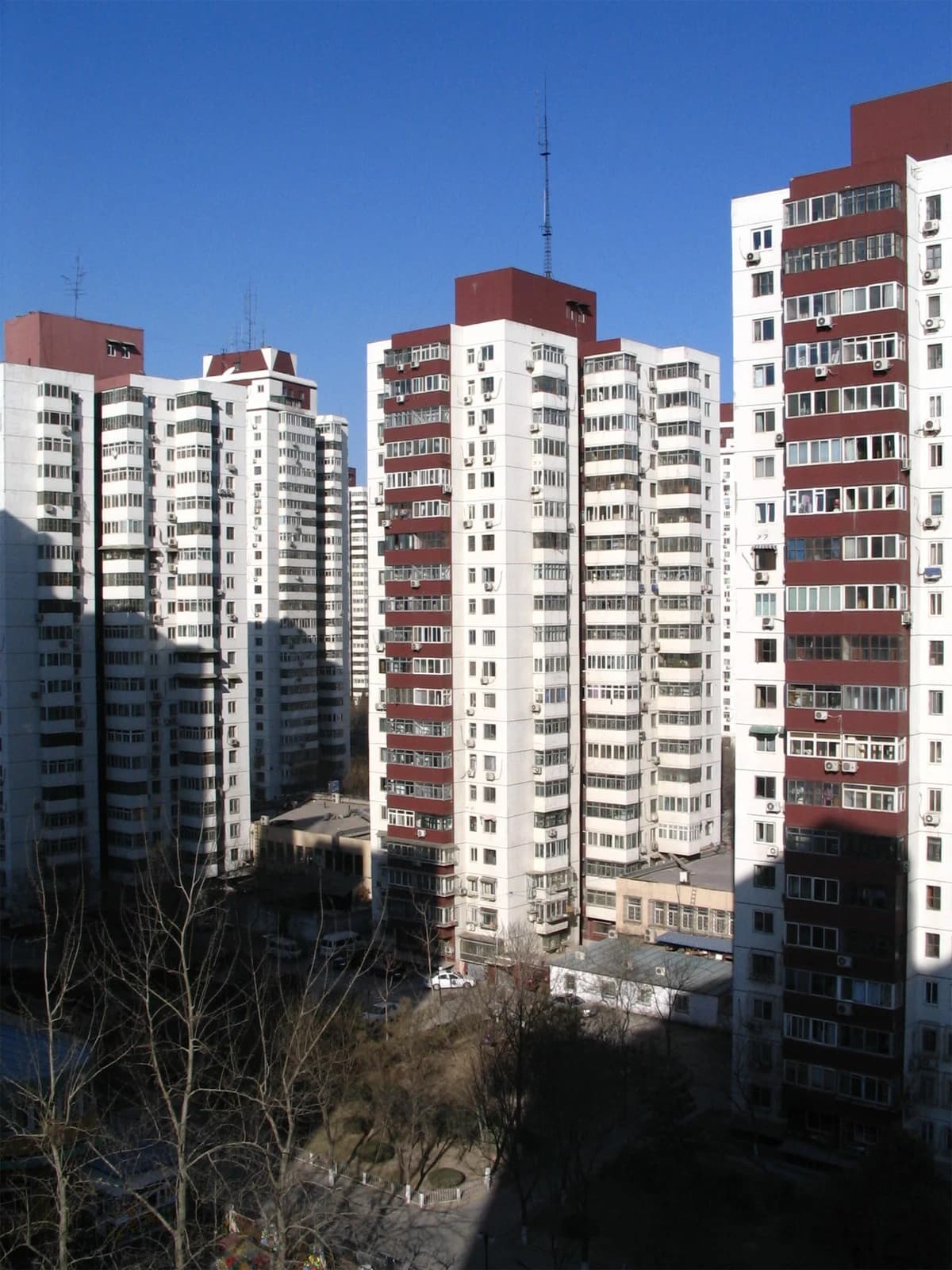
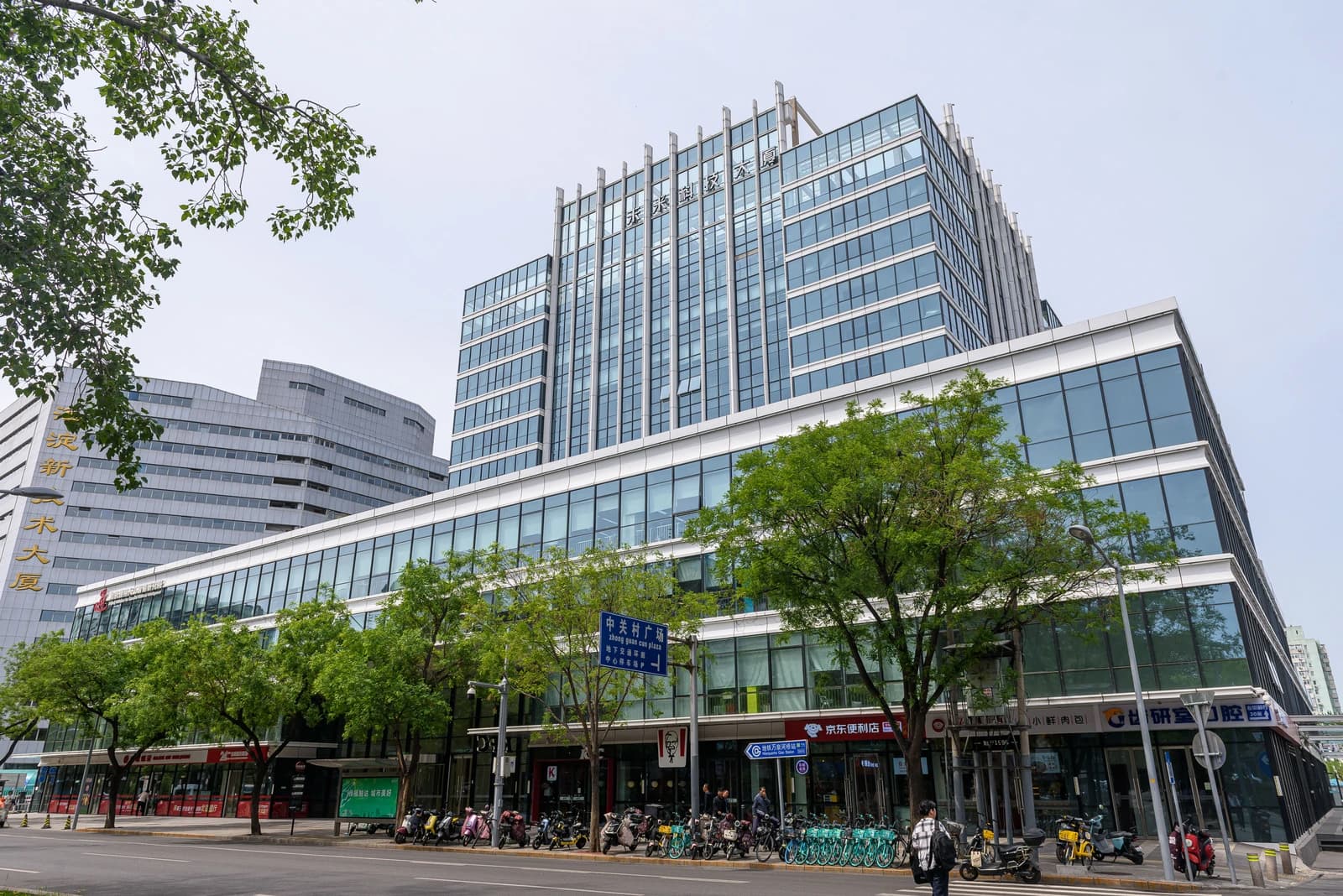
China’s architectural industry is being forced to rethink what it means to be a “qualified” professional as state-linked design institutes, universities and developers face a slower, more regulated market that rewards technical breadth over sheer volume.
China Architecture Sector Shifts to Quality Over Volume
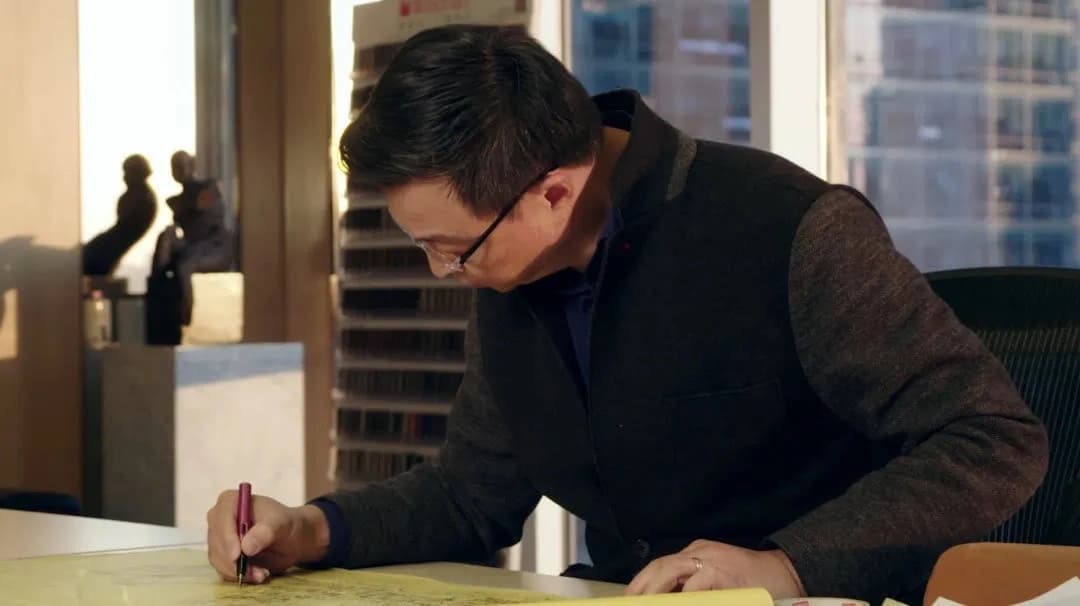
In an interview tied to Tsinghua University School of Architecture and its design institute, Zhuang Weimin said the sector has changed dramatically since he joined the Tsinghua Architectural Design and Research Institute in 1992, when it had about 150 staff and was split into smaller offices. He became president in 2000, as China’s building boom was accelerating and design firms were expanding alongside it. That model is now under pressure as the country’s property slowdown, tighter urban rules and rising sustainability demands reshape demand for architects and the firms that employ them.
The shift matters economically because architecture sits upstream of construction, real estate and urban renewal spending. When project pipelines weaken, design institutes are among the first parts of the value chain to feel the squeeze. That can hit employment, fees and investment appetite across the broader built-environment sector. It also changes the skill mix that clients and regulators want: not just aesthetic vision, but compliance, engineering judgment, conservation, low-carbon design and the ability to work within more restrictive planning frameworks.
For investors and operators in the construction and real-estate ecosystem, the story is less about one university institute than about the industry’s re-rating. China’s next phase of urban development is likely to be more selective, with stronger emphasis on public facilities, renovation, heritage preservation and higher-quality civic projects rather than indiscriminate expansion. That favors firms with institutional ties, technical credentials and diversified capabilities, while smaller design shops dependent on residential property cycles may struggle.
The broader narrative is that the profession is moving from growth-by-scale to survival-by-specialization. Zhuang’s career arc — from entry-level designer to head of a major institute — mirrors an era when Chinese architecture expanded rapidly with the economy. The new era is more constrained, and the gap between architecture students and practicing professionals now appears less about talent than about whether graduates are equipped for a market defined by regulation, sustainability and slower demand.
For China’s architecture sector, the next catalyst will be policy: how local governments, universities and state-owned design groups adapt to a market where quality, compliance and efficiency matter more than volume. Firms that can align with those priorities should keep their edge; those built for the old boom may continue to lose relevance.
| Entity | Gains | Losses |
|---|---|---|
| THAD and top university institutes | ▲Institutional demand, policy alignment | ▼Dependence on slower project flow |
| Large qualified design firms | ▲Public projects, compliance work | ▼Pure residential growth model |
| Smaller private studios | ▲Niche work if specialized | ▼Volume-driven fee business |
| Architecture graduates | ▲Broader technical training value | ▼Easy entry into boom-era jobs |