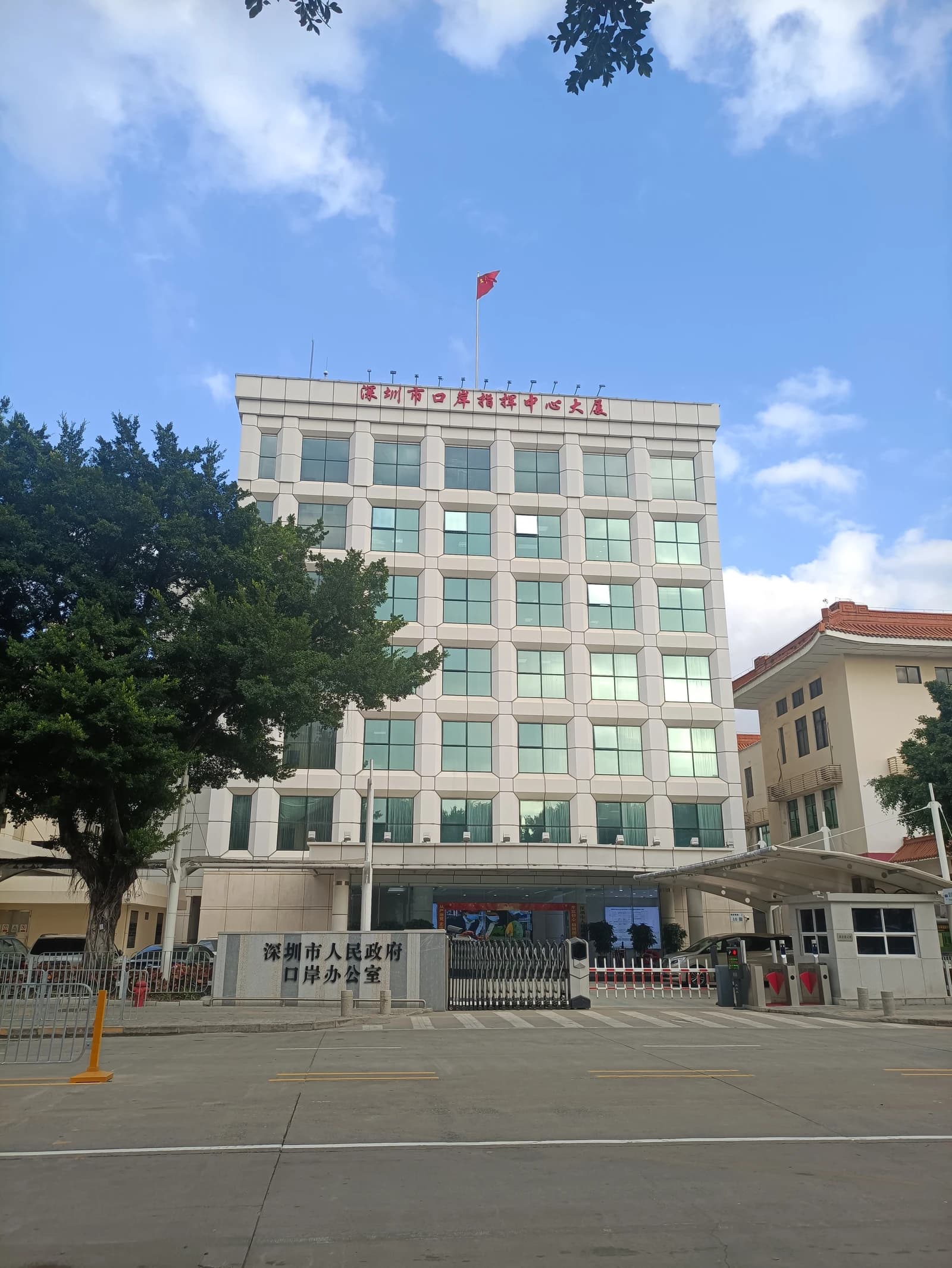
China is finding it harder than expected to turn next month’s APEC summit in Shenzhen into the kind of business diplomacy showcase Beijing wants, with senior US executives declining to attend or wavering over the trip as Beijing repeatedly extends the registration deadline.
China APEC summit draws weak US executive response
The tepid response matters because APEC is one of the few multilateral venues where China can signal openness to global capital while also using business leaders to reinforce a message of stability ahead of a high-stakes Xi Jinping-Donald Trump meeting. Instead, the slow sign-up underscores how fragile US-China commercial ties remain, and how quickly diplomacy can lose traction when companies see little policy payoff.
Sentiment Indicators
US-China Relations
People familiar with the matter said some American CEOs were put off by limited scheduling details, few expected breakthroughs and a lack of clear opportunities for engagement. Beijing has been inviting executives who attended Trump’s May trip to China and later the White House state dinner for Xi in September, including large names such as Tesla’s Elon Musk, Nvidia’s Jensen Huang and Goldman Sachs chief executive David Solomon.
But some executives have already moved on to other commitments, according to the sources, and Beijing’s repeated extensions of the registration deadline have become a signal of lukewarm interest rather than momentum. One source said the Chinese side had not addressed the core problem: without a detailed agenda and confirmed bilateral meetings, the summit looks more ceremonial than commercially useful.
US-China Relations vs FXIadalytica.com
Explore this data interactively — full history, time series and cross-market comparisons.
CCP Policy Direction
That is the economic and market-relevant issue at the center of the story. Beijing wants APEC to project confidence in China as a place for investment, trade and dealmaking just as foreign firms are reassessing exposure to the world’s second-largest economy. Yet the invitation strategy appears to be running into Washington’s resistance to Chinese investment, a lack of clarity on reciprocity and the limited scope for tangible outcomes at a forum where big policy shifts are unlikely.
The optics are especially important because the summit comes just weeks after Chinese business leaders were excluded from the White House guest list at the last minute despite being in Washington, a reminder that both sides are now managing business diplomacy more tightly. That broader chill is also reflected in market indicators around China risk: investor sentiment tracked by Adalytica’s US-China relations gauge is neutral but fragile, while awareness sits at an “extreme fear” level, suggesting markets are highly alert to headlines even when conviction is weak.
For investors, the immediate implication is not a direct earnings shock but another sign that policy support and cross-border commercial engagement are becoming less predictable. That weighs on the case for a broad rerating of China-exposed equities and keeps pressure on sectors most sensitive to regulatory access, export controls and capital flows. US multinationals with large China operations, from technology to consumer and financial firms, still have reasons to engage — but the payoff from high-profile summit diplomacy looks limited.
| Entity | Gains | Losses |
|---|---|---|
| Chinese government | ▲Diplomatic optics | ▼Summit prestige |
| US executives | ▲Optionality | ▼Time and certainty |
| China-exposed equities | ▲Short-term headline flows | ▼Re-rating hopes |
| US-China relations | ▲Continued dialogue | ▼Commercial trust |