China is turning Antelope Reef in the Paracel Islands into what analysts expect will become a second 10,000-foot military airstrip, a move that would mark Beijing’s biggest South China Sea expansion in a decade and sharpen questions about how much resistance the U.S. and its allies are willing to show.
China Builds New Airstrip on Antelope Reef
Geopolitical Risk
Dredgers began work late in 2025 and by August had created almost 1,500 acres of new land, according to the Asia Maritime Transparency Initiative at CSIS. By mid-August, 4,300 feet of runway had been graded, and Reuters said images on Sept. 25 showed gravel piles and compaction cranes on the site. Ben Lewis of PLATracker said he expected a first landing by mid-2027, possibly earlier.
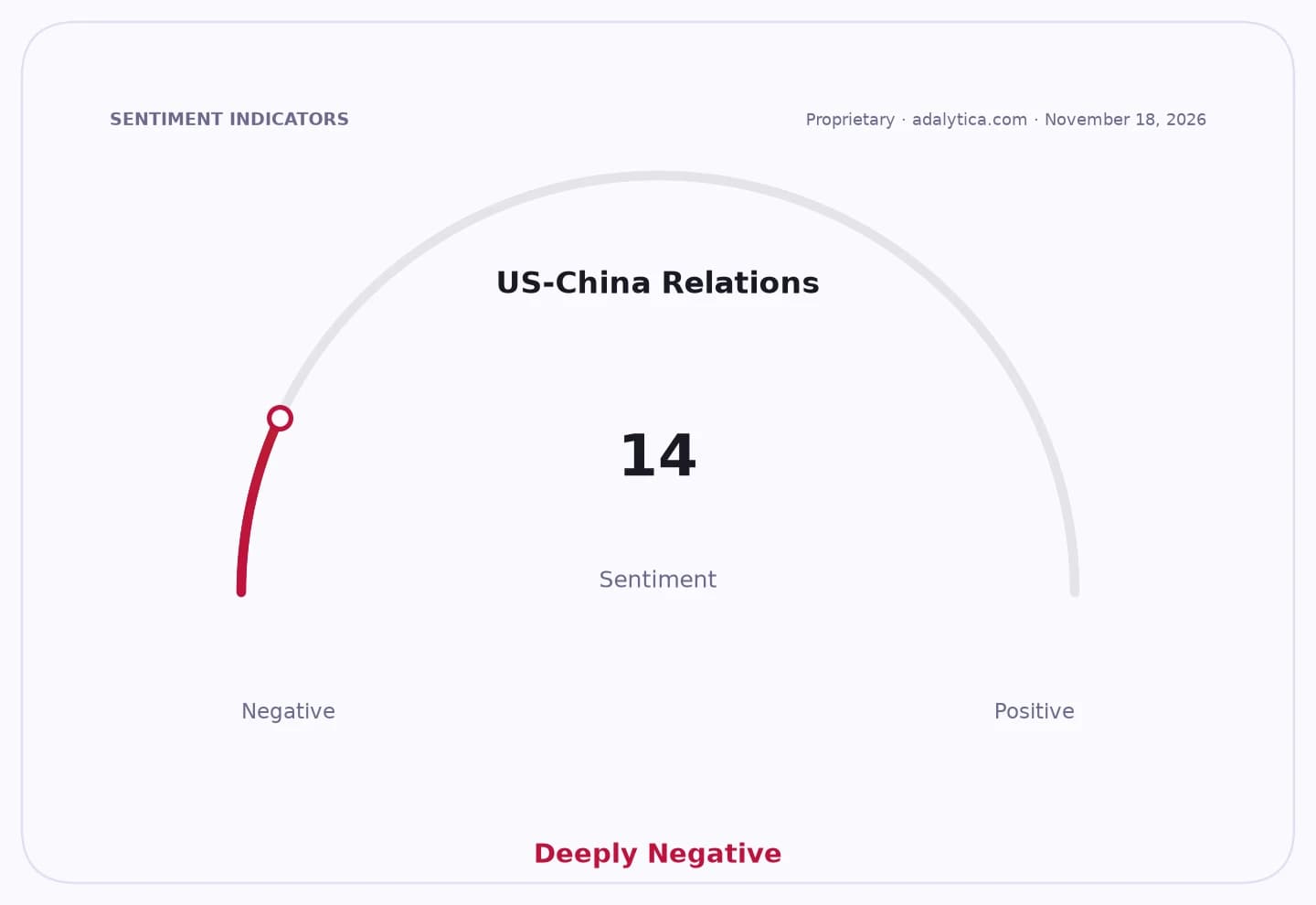
Sentiment Indicators
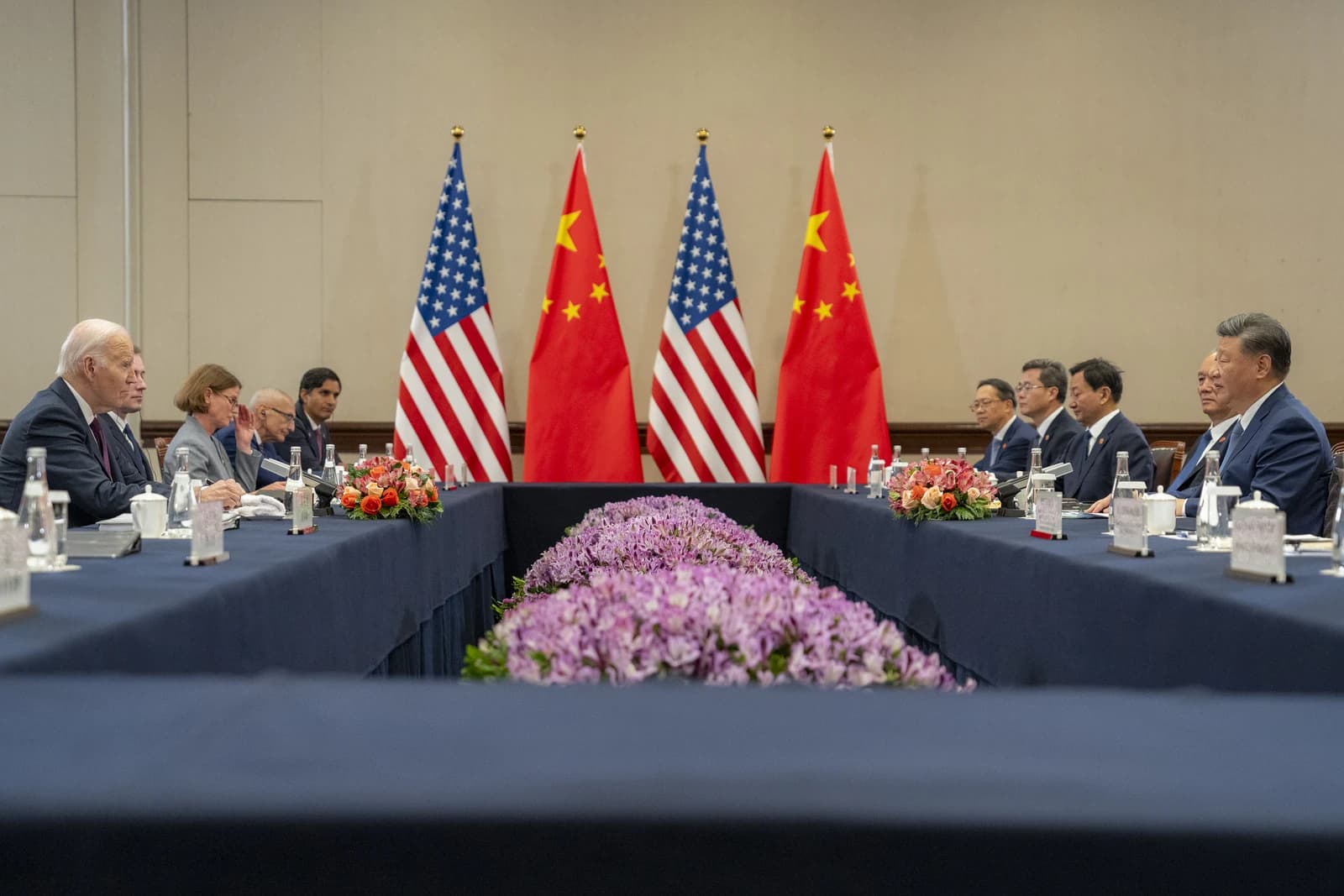
US-China Relations
The reef sits about 90 km from Woody Island, where China already has an airstrip in the Paracels, and roughly 300 km from Sanya on Hainan, home to Beijing’s ballistic missile submarines. A finished base would extend China’s military reach over one of Asia’s most contested waterways and give the People’s Liberation Army another hardened foothold near shipping lanes used by global trade.
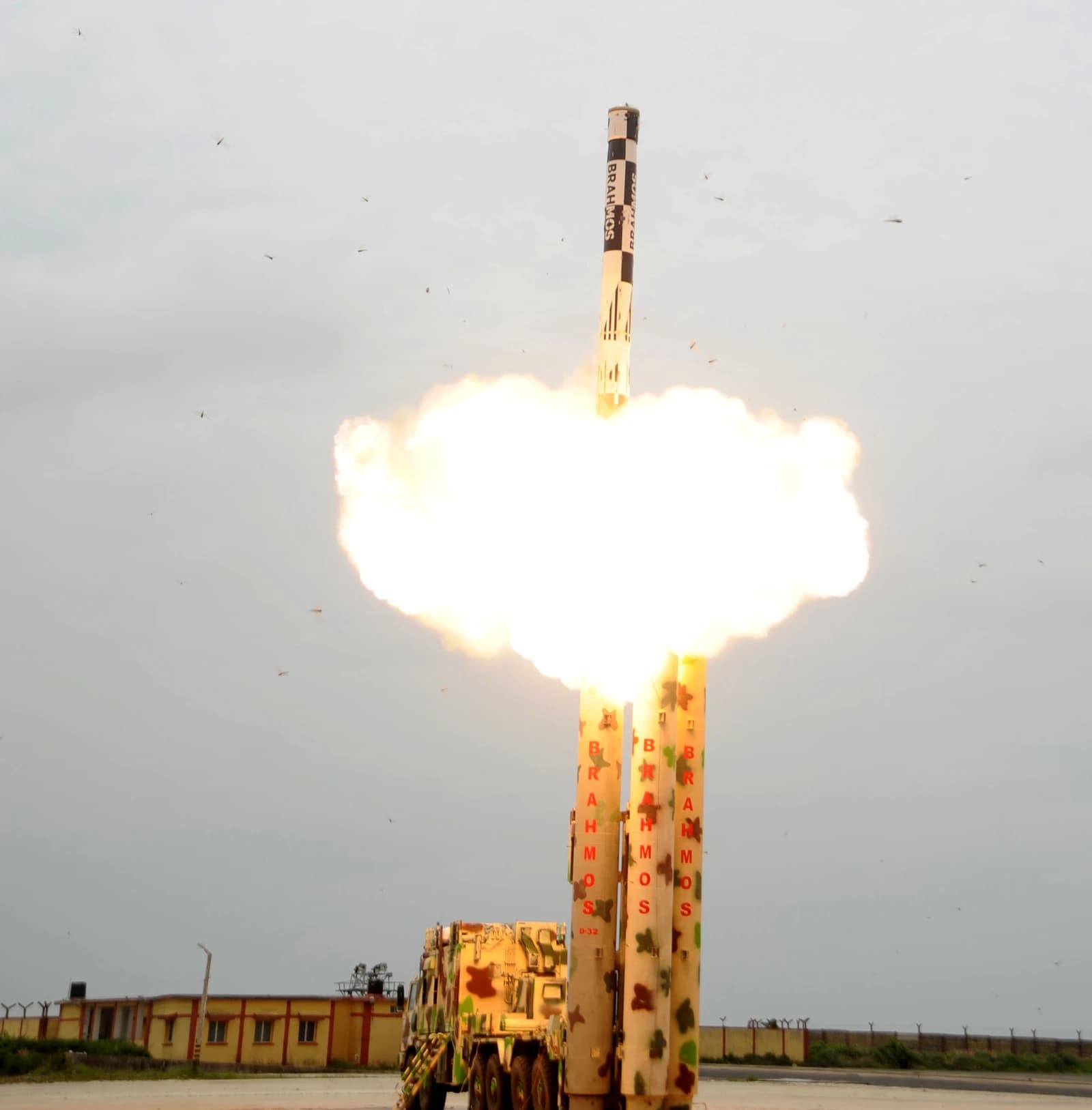
For investors, the immediate market relevance is not a direct earnings hit but a higher geopolitical risk premium for defense, shipping and regional supply chains. Shares of Lockheed Martin, Northrop Grumman and RTX have stayed firm this year, with the latest closes at $571.85, $542.31 and $193.44 respectively, as the prospect of sustained Indo-Pacific militarization keeps demand for missiles, surveillance systems and air-defense platforms in focus. The broader message is that tensions are rising even as political pushback stays muted.
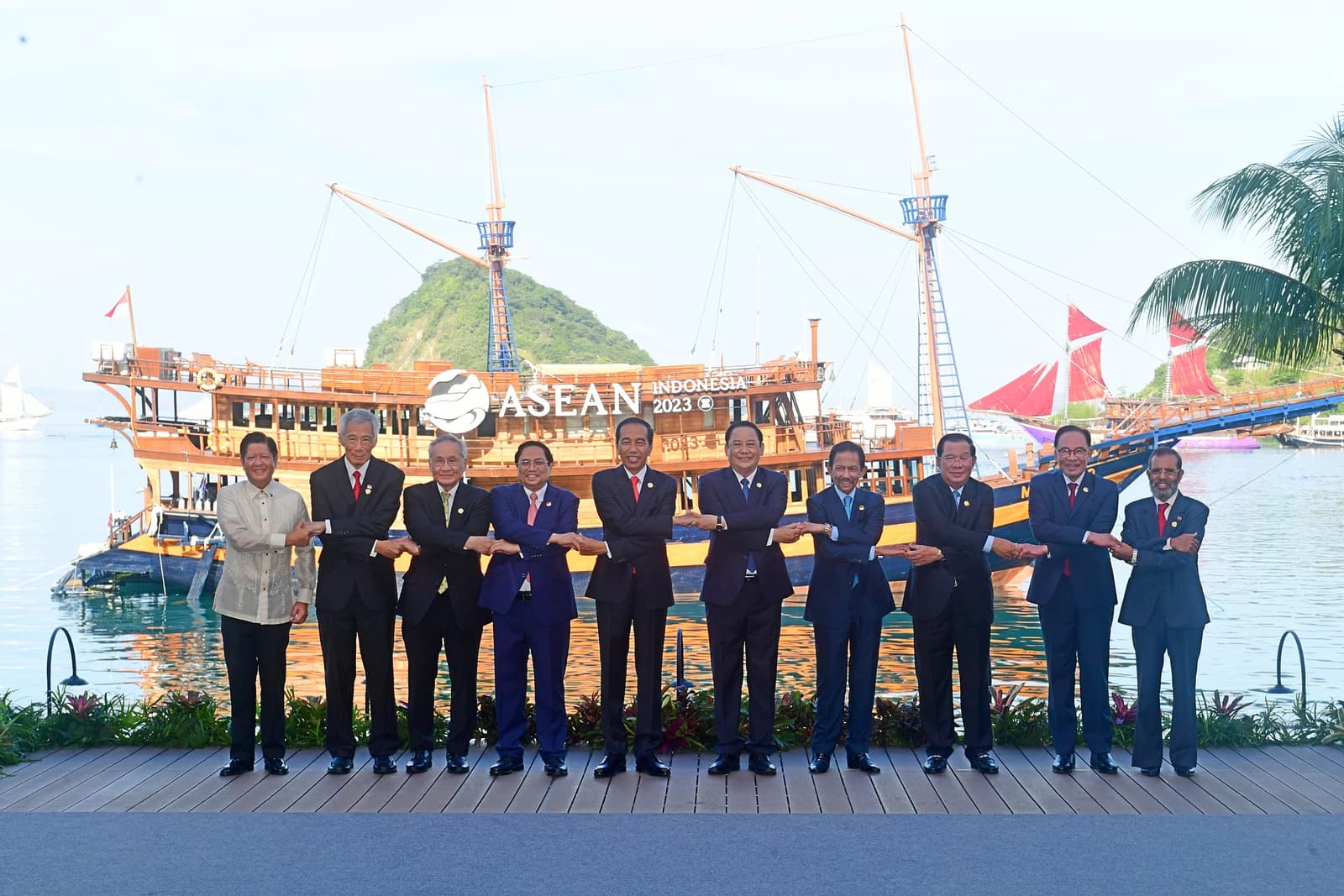
That muted response matters. Japanese Prime Minister Sanae Takaichi told the East Asia Summit on Nov. 17 that attempts to change the status quo by force or coercion were unacceptable and urged compliance with the 2016 arbitral ruling rejecting Beijing’s sweeping claim to most of the sea. U.S. President Donald Trump took the opposite tone a day later in Manila, saying he was “not concerned about that at all” when asked about the West Philippine Sea and the mutual defense treaty with the Philippines.
The gap between rhetoric and action is widening at the same time Manila, Tokyo and Washington are trying to harden ties. Trump said he had approved $5 billion of arms sales to the Philippines since returning to office, while Tokyo and Manila signed a reciprocal access agreement that took effect in September 2025. Vietnam, which also claims the Paracels, has protested the work, but it has kept trade and infrastructure talks with Beijing moving.
Outside resistance has so far been limited. ASEAN’s code of conduct for the South China Sea is only about 80% agreed, and no new deadline has been set, leaving Beijing with room to keep building while the region argues over rules.
With analysts expecting an initial landing by mid-2027, the next catalyst is whether the runway becomes operational before the code of conduct is finished — and whether Washington, Tokyo or Manila respond with anything more than warnings.
| Entity | Gains | Losses |
|---|---|---|
| China | ▲Military reach in the Paracels | ▼Diplomatic trust |
| Philippines | ▲Arms support and allied backing | ▼Security pressure |
| Japan | ▲Regional relevance and defense ties | ▼Rising maritime risk |
| U.S. defense contractors | ▲Higher demand for systems | ▼If tensions ease |