Chicago’s credit pressure is deepening after S&P Global placed the city on downgrade watch, a move that could make it more expensive for the nation’s third-largest city to borrow just as its finances are under scrutiny.
Chicago Credit Risk Rises After S&P Watch

The warning matters because a lower rating would translate into higher interest costs on future debt issuance and refinancing, squeezing a municipal budget already facing questions over governance and cash management. Chicago’s chief financial officer has abruptly resigned and the City Council has approved an outside financial review, adding to concerns that the city’s fiscal problems are becoming harder to contain.
Sentiment Indicators
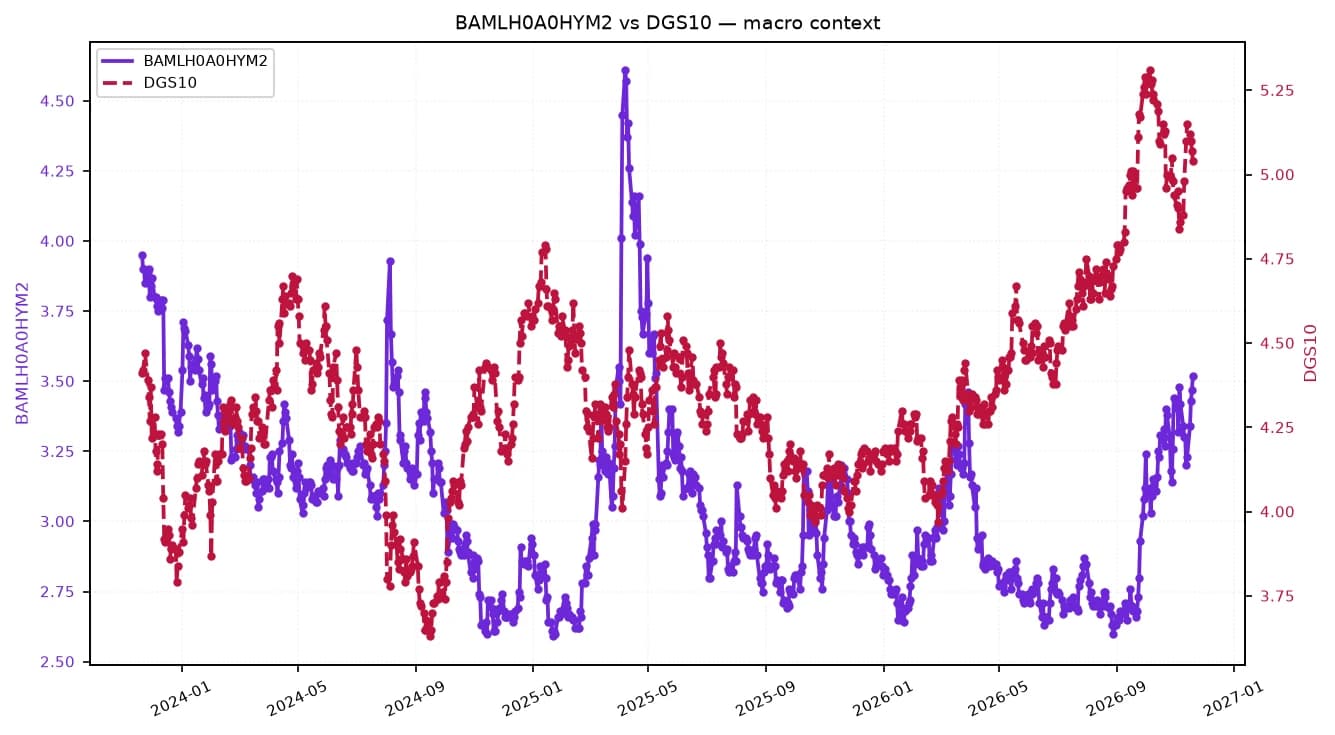
For investors in municipal bonds, the issue is less about Chicago alone than about what it says on credit quality in a high-rate environment. The 10-year Treasury yield was around 5.17% in the latest forecast, while high-yield credit spreads remained elevated, a backdrop that tends to punish weaker issuers and widen the penalty for budget stress.
Chicago has long relied on debt markets to fund operations and capital needs, so any rating action would hit at the margin through pricier access to capital and potentially tighter investor demand. That would matter for holders of Chicago paper, muni funds with exposure to Illinois credits and anyone pricing the risk of further downgrades among large U.S. cities.
The broader market tone is also cautious. Adalytica’s S&P 500 trade signals show “Fear,” while its U.S. dollar signals flash “Extreme Fear,” reflecting a risk-off backdrop that can amplify pressure on lower-rated municipal borrowers and make investors more selective on credit.
The next catalyst is whether the outside review and any budget response restore confidence before S&P makes a final call. If the city cannot show a credible plan, the downgrade watch could turn into a costlier reality for taxpayers and bondholders alike.
| Entity | Gains | Losses |
|---|---|---|
| S&P Global | ▲More leverage on ratings discipline | ▼None if fiscal risk persists |
| Chicago taxpayers | ▲Potential push for tighter oversight | ▼Higher borrowing costs |
| Muni bond investors | ▲Better risk pricing | ▼Mark-to-market pressure on Chicago debt |
| Peer city issuers | ▲Benchmark for fiscal scrutiny | ▼Spillover doubts on weaker credits |