Chiang Rai’s rice market is stabilizing after officials confirmed 10 local samples passed quality standards, easing fears that mills would stop buying and helping paddy prices edge closer to 10 baht per kilogram.
Chiang Rai Rice Prices Edge Toward 10 Baht
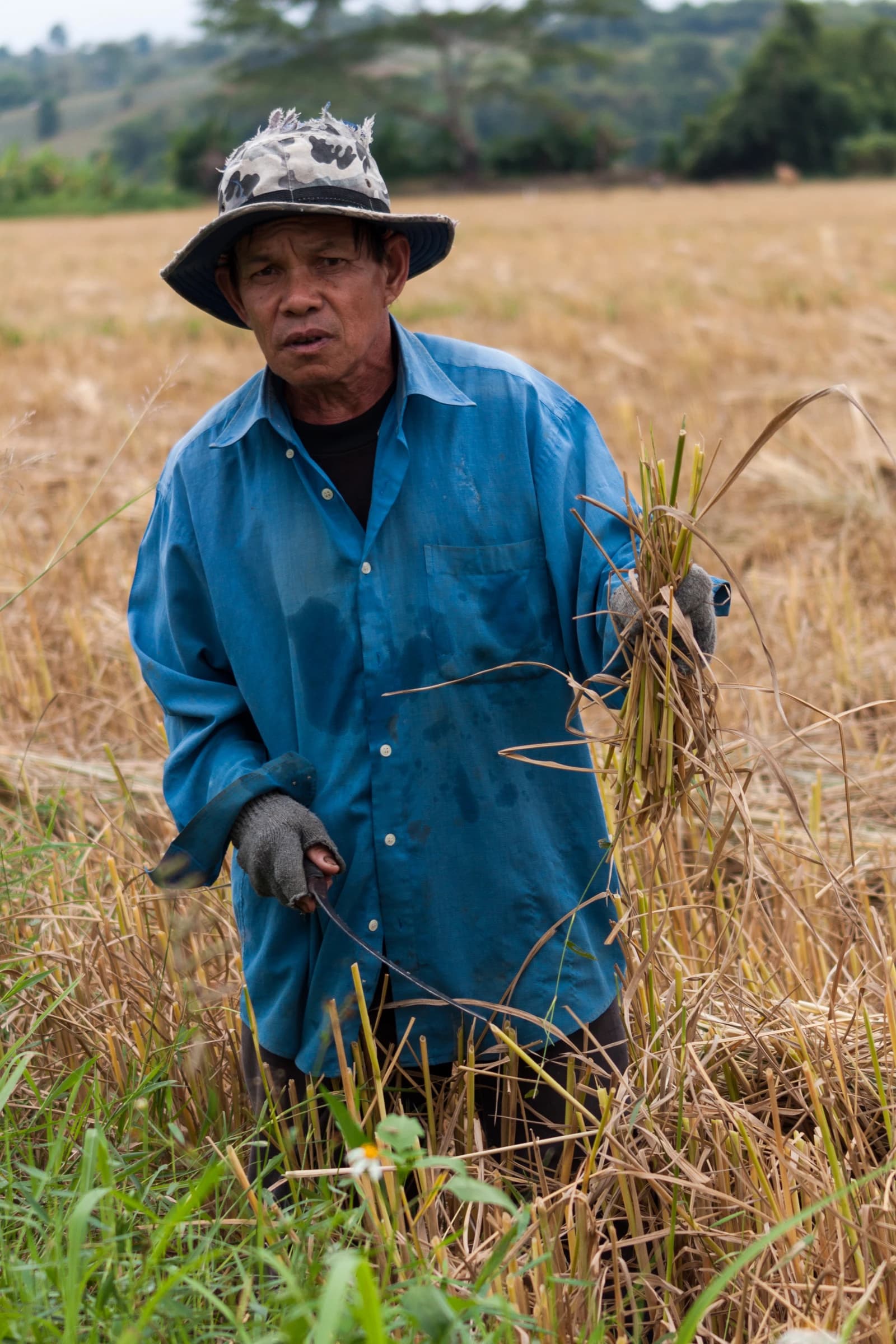
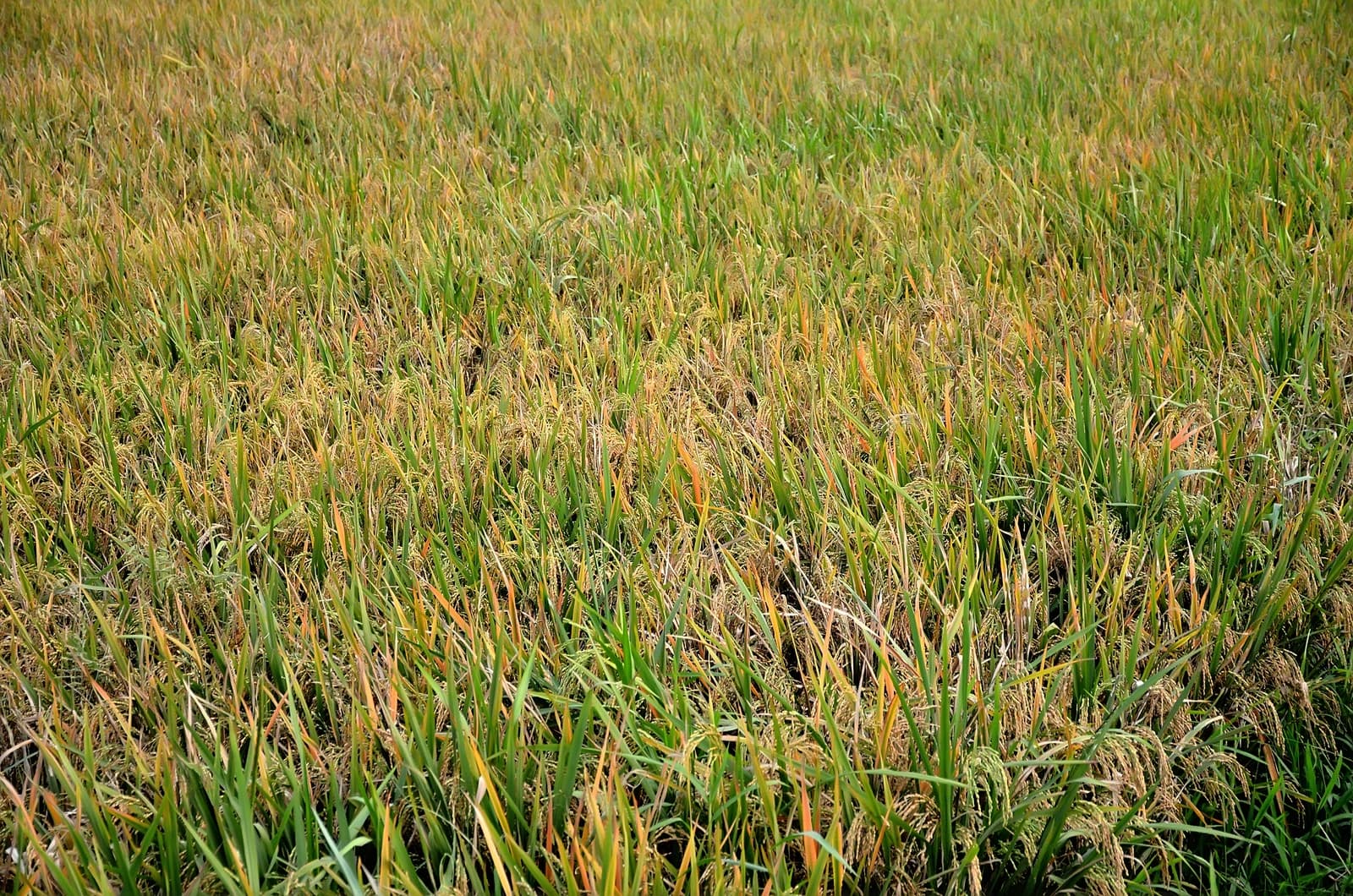
The result matters because it removes a near-term overhang on one of Thailand’s key northern rice-producing provinces at the tail end of the harvest. With mills and cooperatives saying they will keep purchasing, farmers should face less risk of being forced to sell into a weak market as about 170,000 tons of sticky rice and jasmine rice still move to market before harvest wraps up by the end of November.
Sentiment Indicators
Prices for fresh sticky paddy have already improved to 9,300-9,400 baht a ton, with some transactions at 9,500 baht, up from roughly 9,100-9,200 baht previously. Traders say the market could test 10 baht per kilogram as remaining supply thins and demand stays firm, giving growers a stronger negotiating position after weeks of concern over buying interruptions.
Thailand’s Commerce Ministry moved quickly to shore up confidence after reports that mills had halted purchases. Internal trade officials met rice millers and the Thai Rice Millers Association, which said it would help bring in additional mills if local buyers cannot absorb all the crop, while agricultural cooperatives said they are ready to continue aggregating paddy with financing support from state lender BAAC.
The quality clearance is also important for pricing because it reduces the chance that mills will discount or reject deliveries on contamination concerns. The ministry said it wants the inspection results widely publicized to prevent rumors from distorting trade, a reminder that confidence can move farmgate prices as much as physical supply in thin markets.
Officials are also leaning on broader support measures, including cheaper fertilizer input coordination, credit programs to delay paddy sales and a paddy trading fair in Mae Sai from Nov. 28-30. Those steps are aimed at keeping liquidity flowing through the final stretch of the season and ensuring farmers can sell at prices above market levels, rather than being squeezed by short-term oversupply fears.
For investors and agribusiness stakeholders, the immediate takeaway is a firmer domestic rice backdrop in northern Thailand, with millers, cooperatives and lenders all helping absorb the remaining crop. The next test is whether the last 170,000 tons clear smoothly and whether sticky rice prices can actually break through the 10 baht threshold without fresh disruption.
| Entity | Gains | Losses |
|---|---|---|
| Chiang Rai farmers | ▲Higher paddy prices | ▼Selling at discounted levels |
| Mills and cooperatives | ▲Supply confidence | ▼Buying disruption fears |
| Thai Commerce Ministry | ▲Credibility on market support | ▼Rumors of halted purchases |
| Buyers of paddy | ▲Steadier supply flow | ▼Margin pressure if prices rise |