Brazil’s Senate has approved a plan to cut the standard workweek to 40 hours from 44 without wage reductions, turning President Luiz Inacio Lula da Silva’s labor pledge into a major political and economic test ahead of the country’s next election cycle.
Brazil Senate Approves 40-Hour Workweek Plan
The reform, which would end the long-running six-days-on, one-day-off model for much of the workforce, matters because it directly changes labor costs, scheduling and household income expectations in Latin America’s largest economy. Supporters say the move could improve quality of life for millions of workers and nudge productivity higher if companies adapt through better staffing and automation.
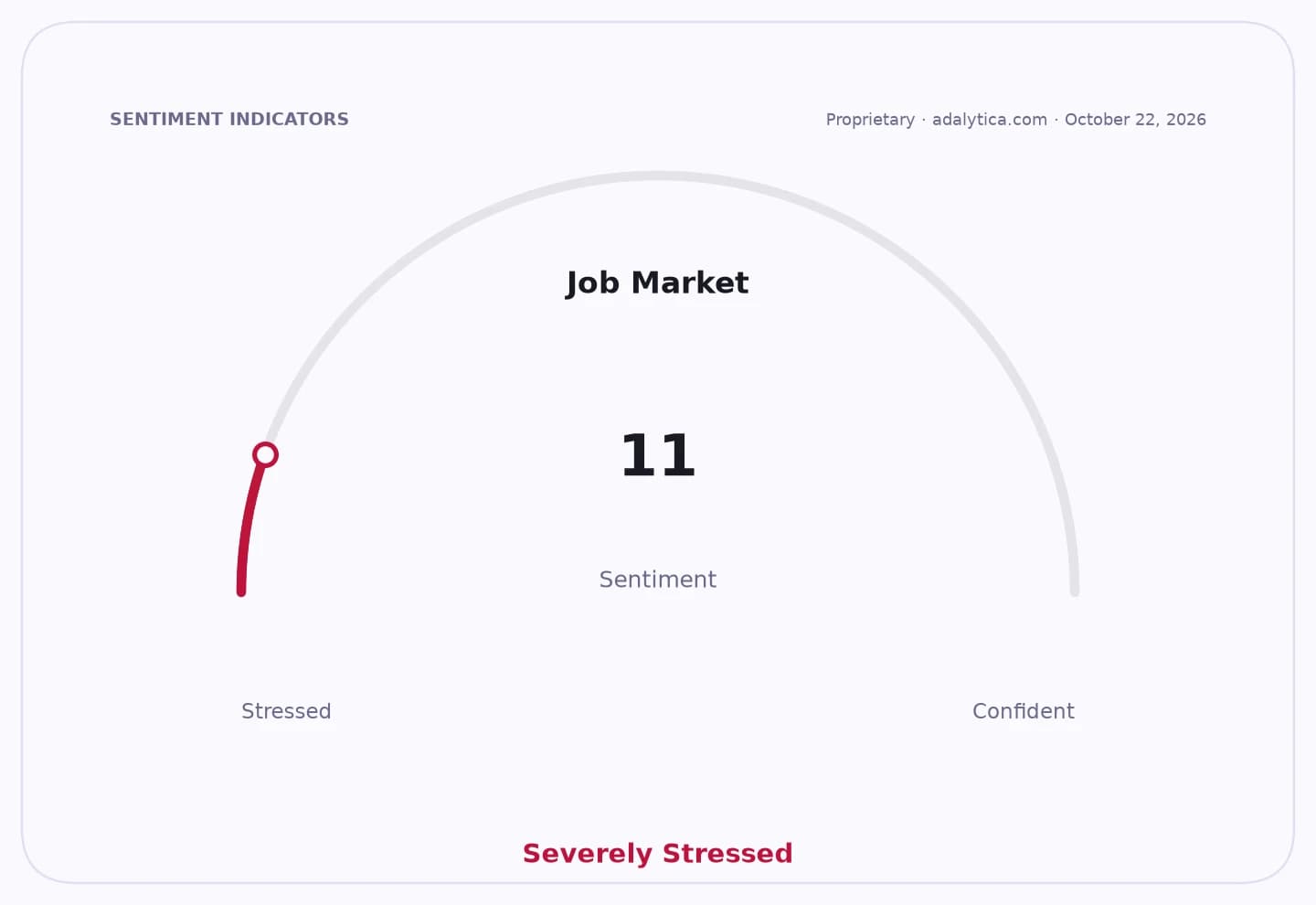
Sentiment Indicators
For investors, the policy is a clear read-across to Brazilian employers exposed to labor-intensive operations, especially retail, services, logistics and consumer-facing businesses that rely on extended hours and shift work. A shorter workweek with pay held steady can pressure margins unless firms offset it with pricing power, more hiring or efficiency gains.
The political stakes are just as large. Lula is using the issue to widen support among workers after trailing in the first round of the presidential race, while opponents are framing the move as campaign-season opportunism. Public backing appears strong: a Quaest survey cited in local reporting showed 69% of Brazilians favor scrapping the six-day schedule.
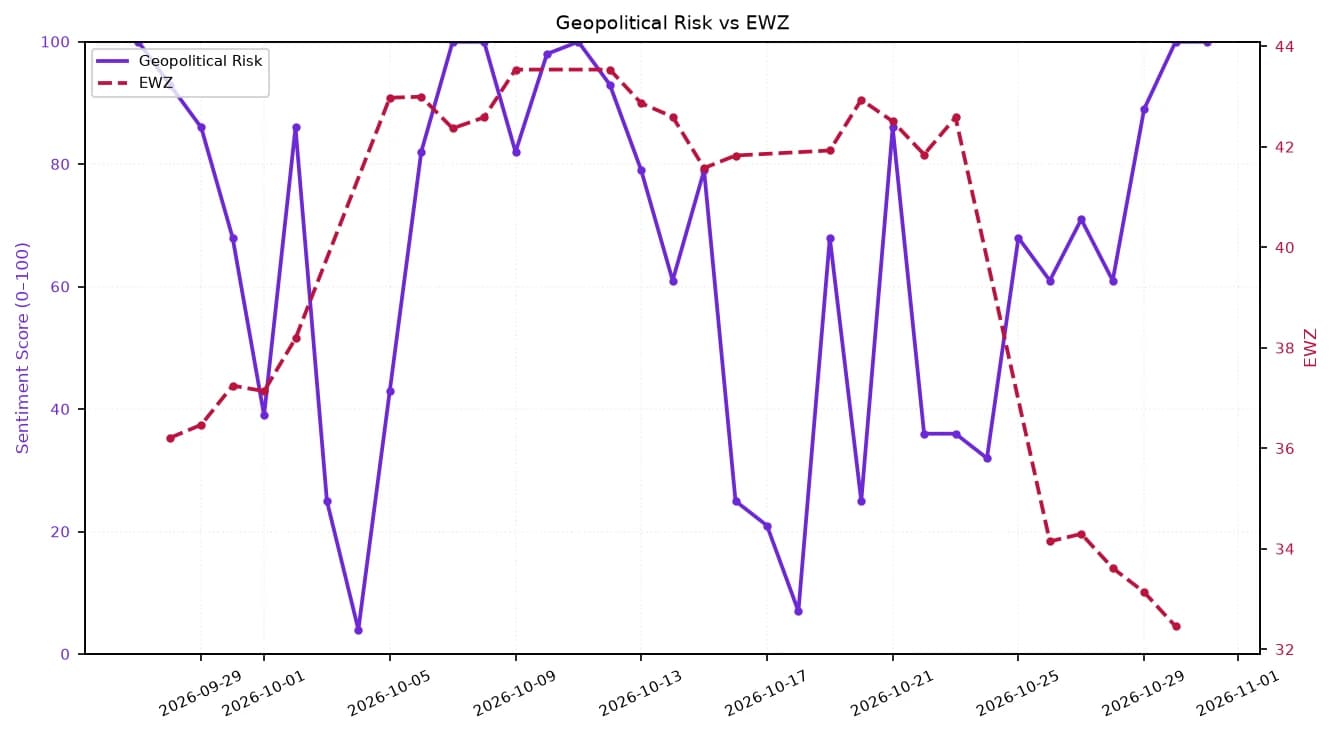
Markets are already treating Brazil as a story of stronger risk appetite more than immediate policy damage. The iShares MSCI Brazil ETF, EWZ, has climbed to $41.76 from $35.16 on March 13, with its 50-day moving average at $37.66 and the 200-day at $36.74, while its RSI reading of 75.3 points to an overbought setup. The smaller-cap Brazil fund EWZS has also rallied to $15.62 from $13.41 on March 13, after briefly trading below $12 in August.
The broader backdrop is one of rising political sensitivity around labor rights and living standards, and Lula’s push fits that trend. The key question now is implementation: whether lawmakers preserve the pay guarantee, how quickly the change phases in, and how businesses absorb the extra cost without cutting hiring or investment.
| Entity | Gains | Losses |
|---|---|---|
| Brazilian workers | ▲Shorter hours, same pay | ▼Less overtime flexibility |
| Lula government | ▲Political support, campaign momentum | ▼Business backlash |
| Employers | ▲Possible productivity push | ▼Higher labor costs |
| EWZ/EWZS holders | ▲Reform optimism, Brazil risk premium | ▼Near-term volatility, margin concerns |