Brazil’s push to launch a $125 billion tropical-forest fund at the Amazon Summit in Bogotá is the biggest development for investors, because it ties climate diplomacy to hard capital, regional trade and Brazil’s long-term standing in global commodity markets.
Brazil Amazon Summit Advances $125B Forest Fund
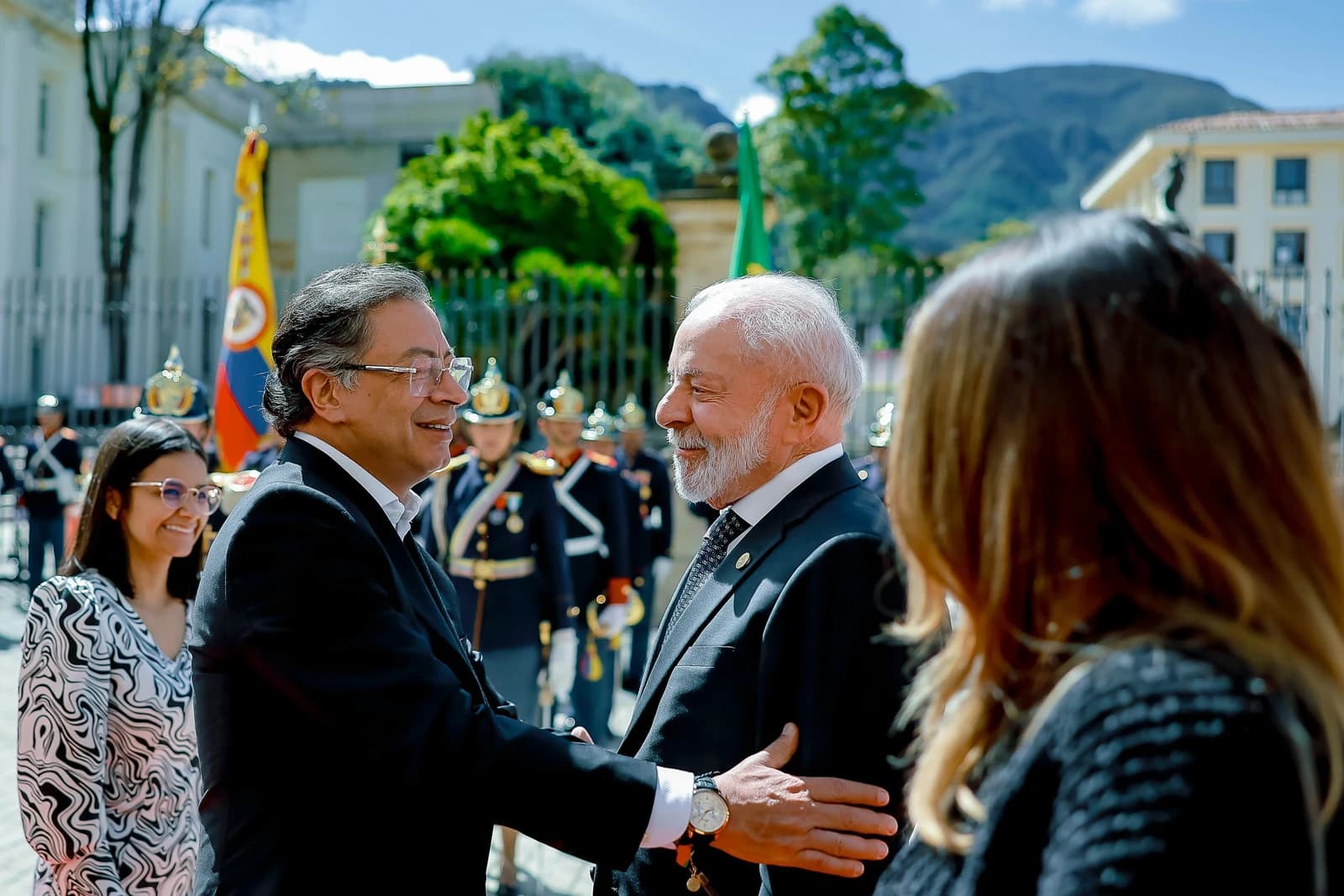
President Luiz Inácio Lula da Silva is attending the fifth summit of the Amazon Cooperation Treaty Organization alongside leaders from the region’s eight Amazon countries, where the main goal is to turn broad climate promises into a more durable economic framework before COP30, which Brazil will host in the Amazon. That matters because the Amazon is no longer just an environmental issue; it is becoming a policy and financing battleground that could shape flows into forestry, infrastructure, agriculture and energy across South America.
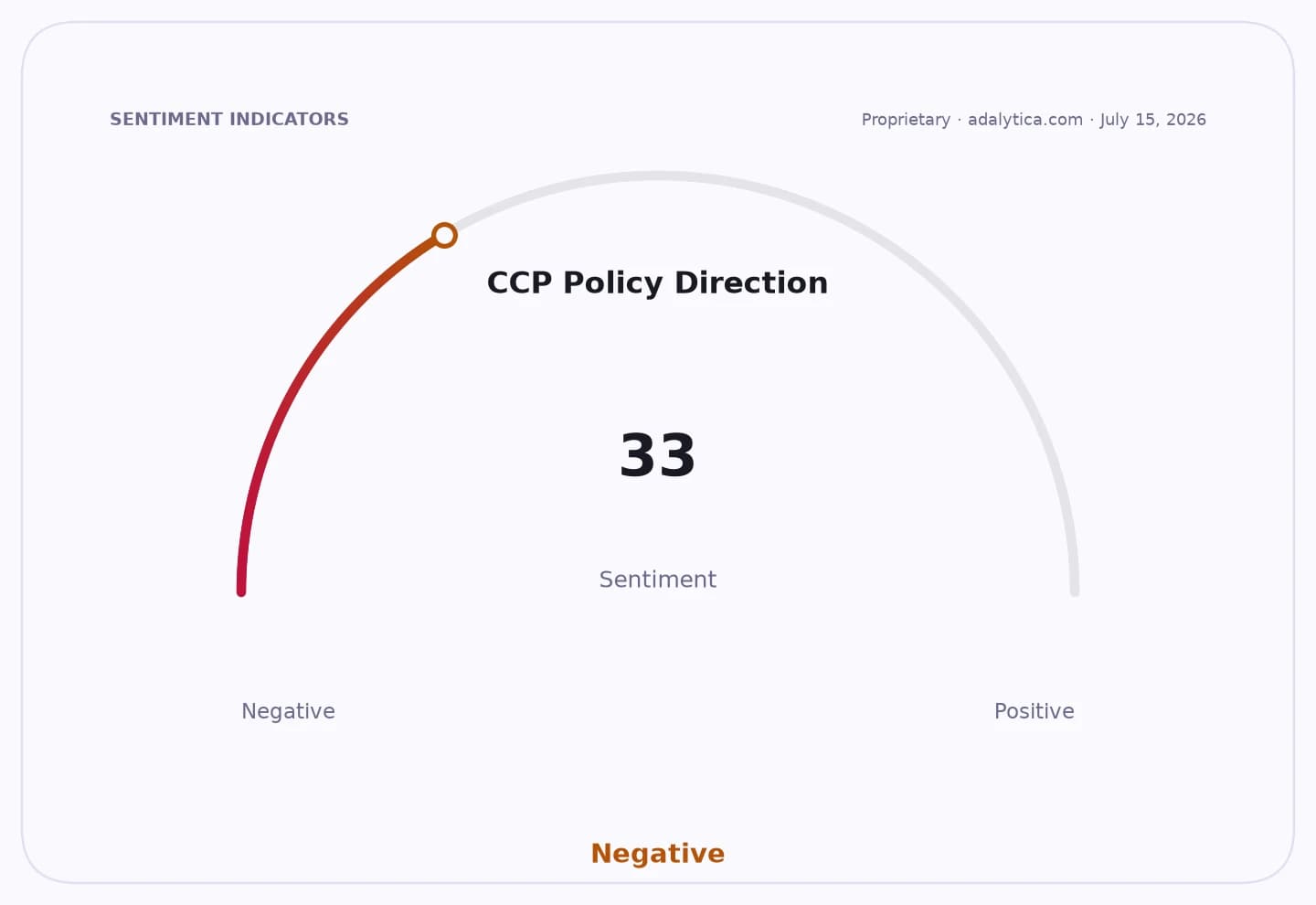
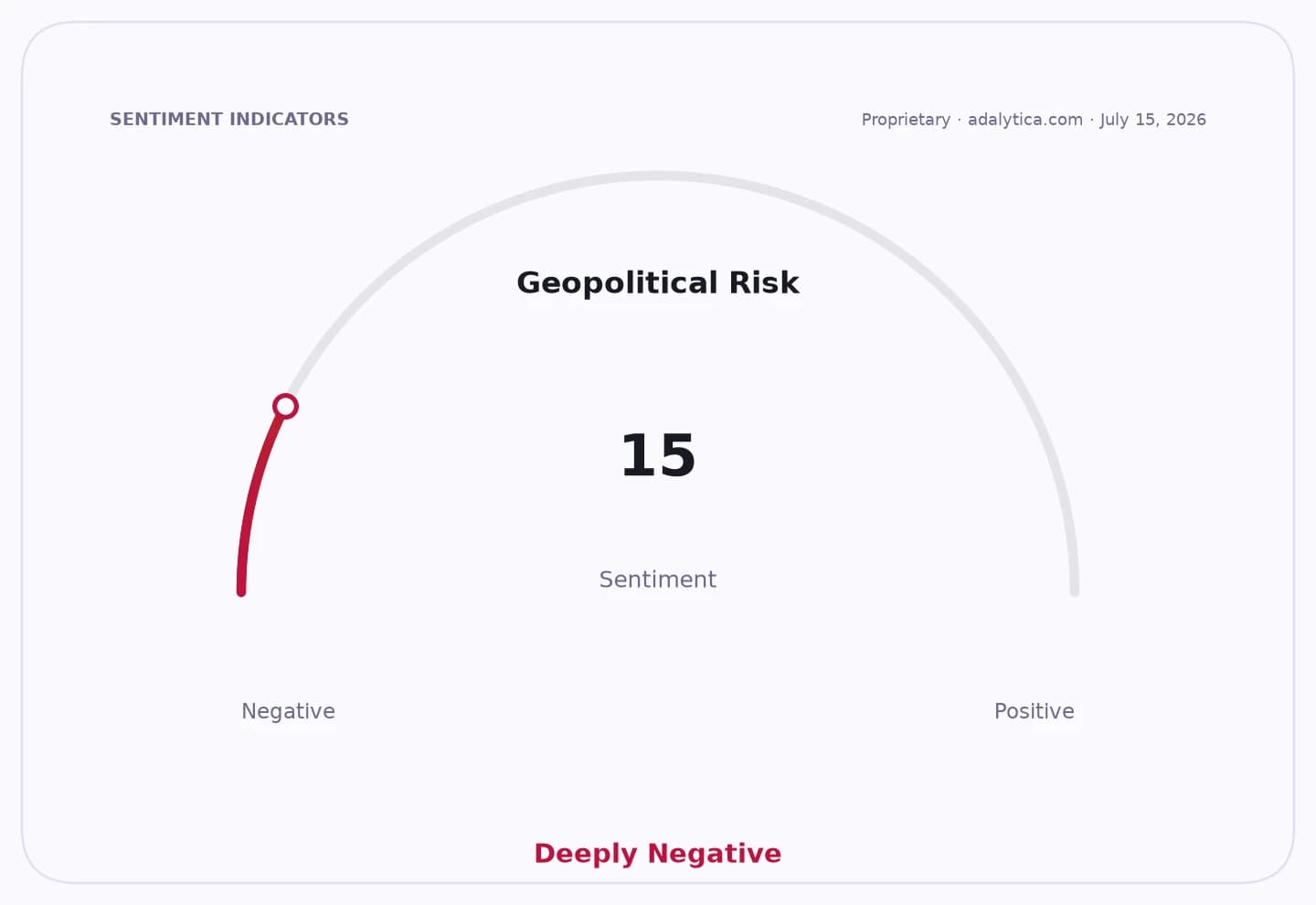
Sentiment IndicatorsⓘProprietary · adalytica.com · September 22, 2026
This is a snapshot — live sentiment, awareness and momentum for 130+ markets update continuously in the dashboard.Open AlphaPulse
At the center of the meeting is the Bogotá Declaration, which will build on the 2023 Belém Declaration and is expected to deepen regional commitments on climate action, protection of Indigenous communities and sustainable development. For investors, the significance is that Brazil is trying to turn conservation into a financing opportunity rather than a drag on growth. The proposed Tropical Forests Forever Fund would pay developing countries for preserving forests, effectively creating a new asset class around standing timber and carbon storage if it can attract real backing.
That would have ripple effects well beyond diplomacy. A credible forest-finance mechanism could support Latin American sovereigns seeking climate-linked funding, deepen the market for transition capital and improve the investment case for companies with exposure to forestry, sustainable agriculture and infrastructure tied to the region’s green agenda. It also reinforces Brazil’s bid to position itself as a central broker between commodity production and climate responsibility.
The summit also has a more immediate commercial angle. Lula’s visit is strengthening Brazil’s relationship with Colombia, elevated to a strategic partnership in 2024, with bilateral trade already above $3 billion in 2025. That is another reminder that the Amazon agenda is not only about preserving forests; it is also about widening trade links among neighbors that share supply chains, energy corridors and political priorities.
The market backdrop suggests investors are willing to give Brazil the benefit of the doubt for now. The iShares MSCI Brazil ETF, EWZ, has climbed to $38.07, above both its 50-day moving average and 200-day moving average, while its relative strength index sits at 66, a sign momentum remains firm. Petrobras shares have also held up well around $20.63, supported by cash generation even as the company balances domestic pricing discipline with longer-term reserve replacement. Vale, by contrast, has been softer near $14.15, underscoring how much Brazil’s equity story still depends on global growth, commodities and policy credibility rather than one theme alone.
The bigger question is whether Lula can turn summit language into bankable policy. If Bogotá produces concrete follow-through on financing, conservation and regional coordination, Brazil could strengthen both its climate leadership and its appeal to long-term investors looking for exposure to a more sustainable Latin America. If the rhetoric outpaces execution, the opportunity will fade quickly. For now, the Amazon Summit is worth watching as a potential long-term catalyst for Brazil’s investment case.
| Entity | Gains | Losses |
|---|---|---|
| Brazil / Lula government | ▲Climate leadership; regional influence | ▼Pressure to deliver funding |
| Colombia / Amazon partners | ▲More capital and coordination | ▼Higher policy expectations |
| Forest investors / green lenders | ▲New financing framework | ▼Delay if fund stalls |
| Fossil-heavy critics / short-term skeptics | ▲— | ▼Lost momentum on conservation narrative |