Blackstone is lining up a $3.1 billion deal to buy into LNG Canada, a wager that says the liquefied natural gas export boom is still in the early innings and that long-duration energy infrastructure remains one of the market’s most durable themes.
Blackstone eyes $3.1 billion LNG Canada stake
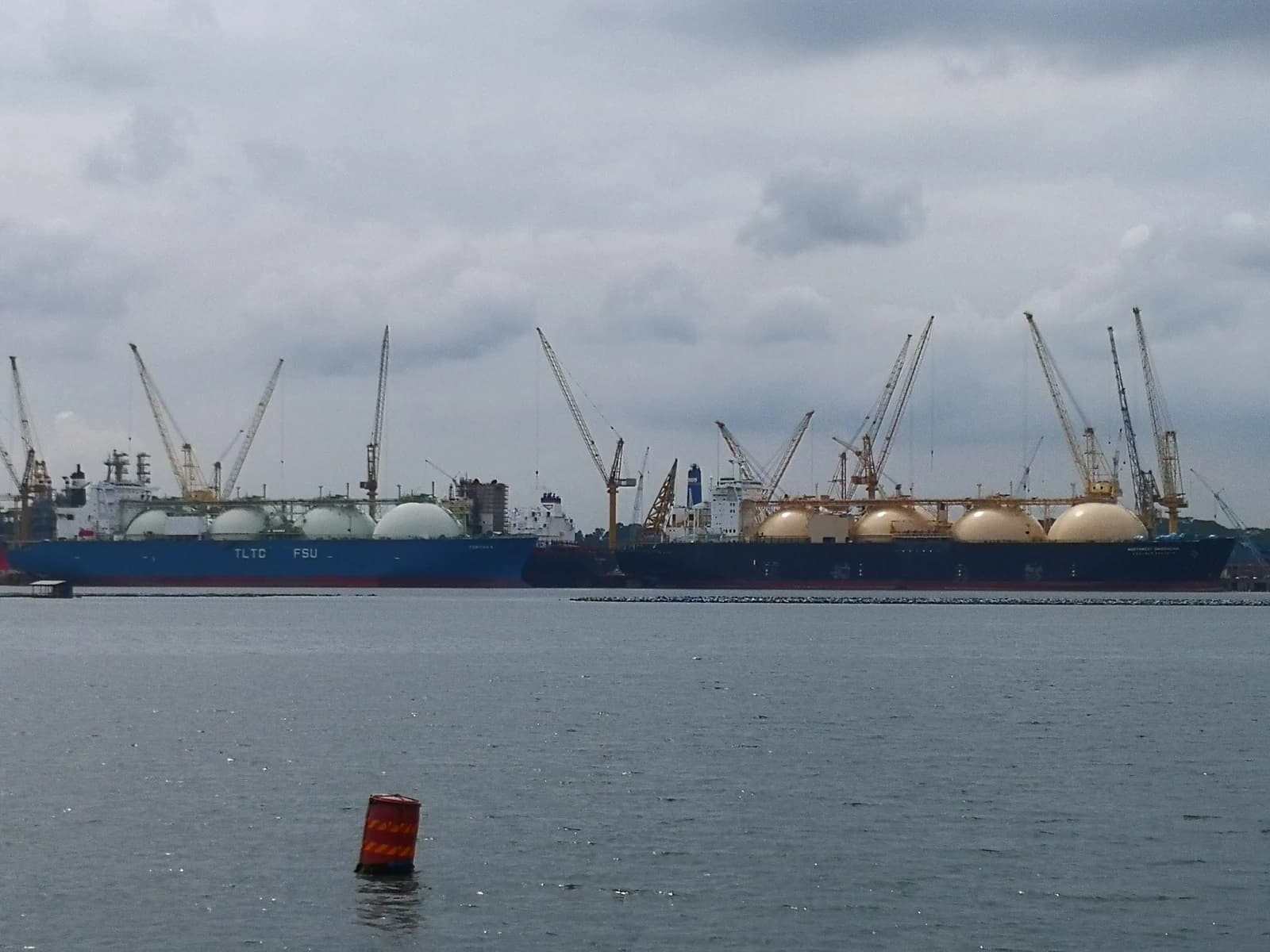
For investors, the significance goes beyond one transaction. LNG Canada sits at the intersection of global energy security, Asian demand growth and North American gas supply, and a large private-equity purchase would underscore how much value is still being assigned to export capacity that can move stranded Canadian gas into premium global markets. In a year when natural gas trade signals have remained noisy but generally constructive, the deal points to an asset class that still attracts capital even as headline sentiment swings.
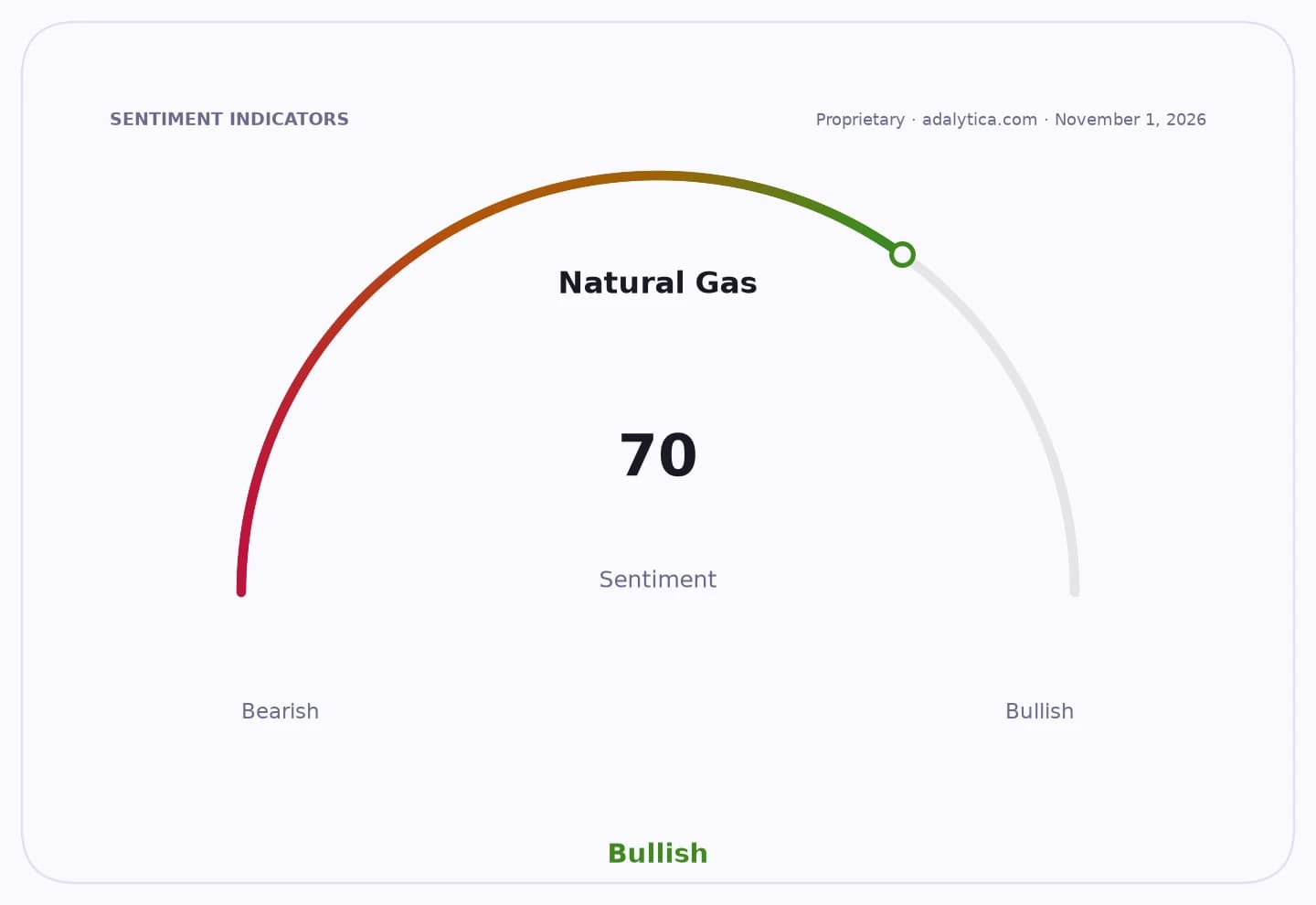
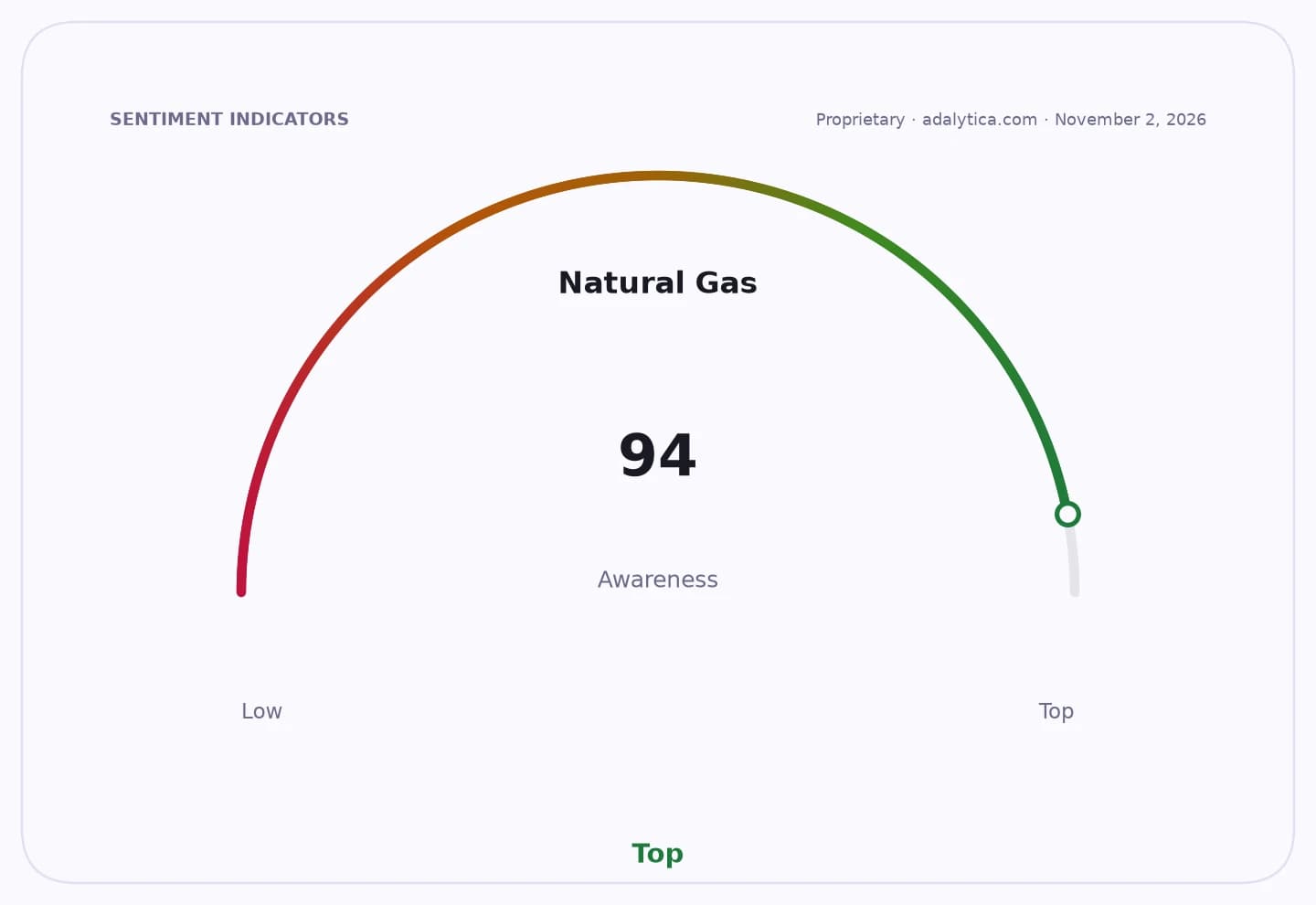
Sentiment Indicators
Natural Gas
Blackstone’s interest also fits a bigger investing story: institutions are still hunting for cash-generating real assets that can benefit from decades-long energy transition dynamics without depending on a single quarter of earnings momentum. LNG export terminals do not need dramatic growth every month to create value; they need throughput, contracts and a favorable spread between local gas prices and international LNG benchmarks. That is exactly the kind of compounding setup long-term investors tend to prize.
The timing matters too. Technical readings on Blackstone’s shares show the stock has recovered from a sharp mid-year selloff and is back near its 50-day and 200-day moving averages, while momentum indicators have improved from deeply oversold levels. In plain English, the market has already been reassessing the firm’s outlook, and a large infrastructure-style deal could reinforce the case that Blackstone’s sprawling alternatives platform still has room to deploy capital into hard assets with visible demand tailwinds.
Natural Gas
There is also a broader macro angle. Global energy markets remain sensitive to geopolitics, trade policy and supply security, and LNG has become a central tool for countries that want diversification away from pipeline bottlenecks and politically risky suppliers. Canada’s ability to expand exports to allies and trade partners gives the project strategic value well beyond its accounting return, and that makes it attractive to buyers willing to think in years, not weeks.
The risks are real, of course. LNG projects are capital-intensive, regulatory-heavy and exposed to construction, shipping and pricing volatility. But that is also why they can be compelling for patient investors: the winners often emerge from assets that are difficult to replicate and expensive to build. If Blackstone closes this deal, it would be another reminder that infrastructure linked to energy security can still command serious money, and it is worth watching for anyone looking for long-term exposure to the LNG buildout.
| Entity | Gains | Losses |
|---|---|---|
| Blackstone | ▲Long-lived cash flows | ▼Capital tied up in a cyclical asset |
| LNG Canada sellers | ▲Premium valuation | ▼Future upside in the project |
| Canadian gas producers | ▲More export demand | ▼Dependence on LNG pricing |
| Competing LNG projects | ▲Sector validation | ▼More competition for capital |