Bitcoin is still clinging to the $80,000 level, but the more important story for investors is that the fast-moving ETF cash trade behind the rally has already turned cautious.
Bitcoin Holds $80,000 as ETF Outflows Hit
Bitcoin
That matters because spot Bitcoin funds have become the cleanest window into institutional appetite for the asset. When money floods into those ETFs, it helps validate Bitcoin as a mainstream portfolio position. When it reverses, as it did with a $635.6 million net outflow in a single session, it tells you that big investors are no longer adding aggressively just because the price is higher.
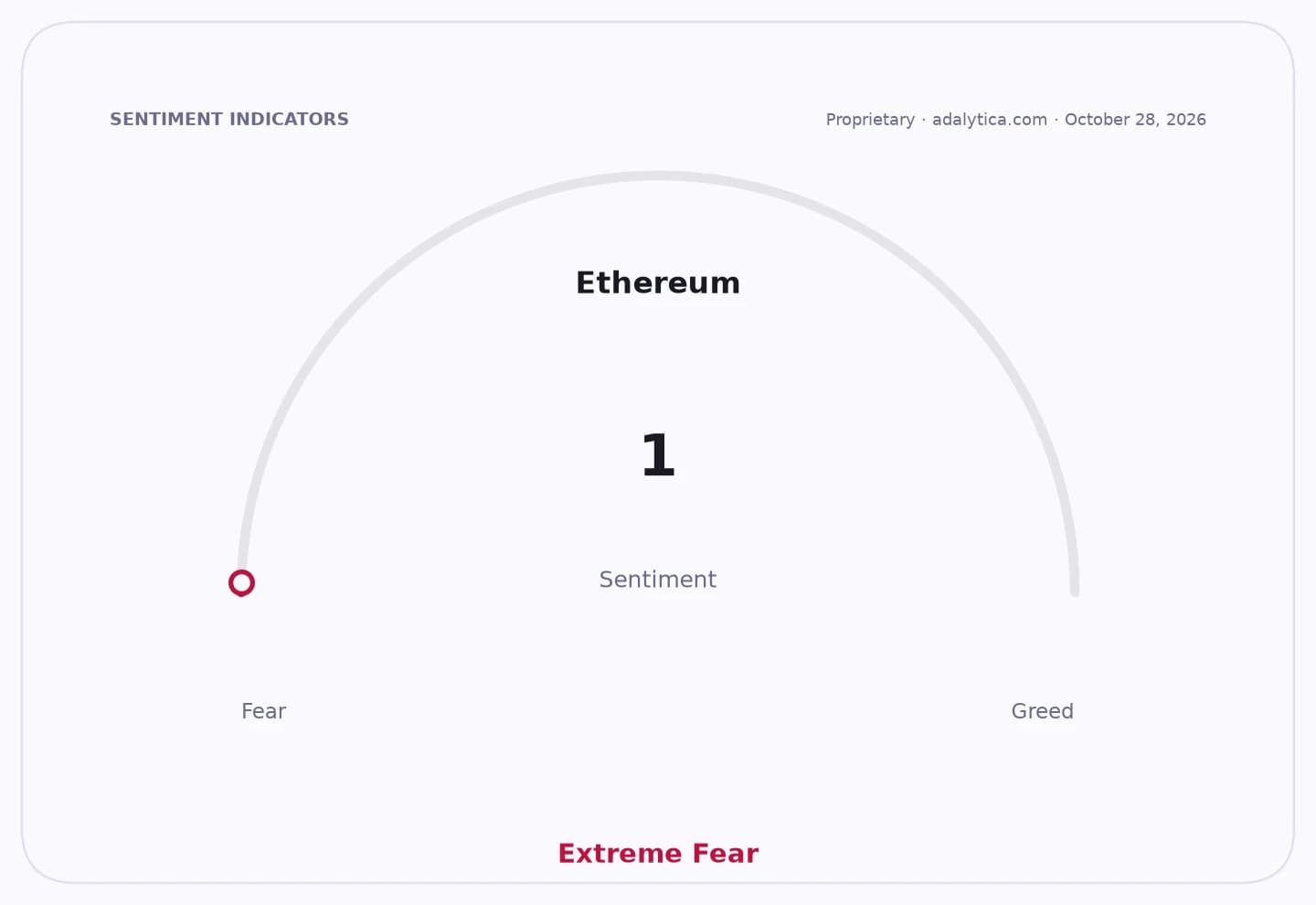
Sentiment Indicators
Bitcoin recently hovered around $80,402, after a volatile week that left it down 1.47% over seven days. Ethereum also slipped, while Bitcoin’s market dominance held above 60%, underscoring how much the broader crypto tape still depends on the flagship coin. In technical terms, Bitcoin is trading below its 50-day moving average and with a weak RSI reading, which suggests the market is still searching for a durable floor rather than launching into another clean advance.
The ETF reversal is what gives this move economic weight. BlackRock’s IBIT accounted for $254.1 million of the outflow, Fidelity’s FBTC for $217.5 million and Ark Invest/21Shares’ ARKB for $109.4 million. That followed three straight days of inflows totaling more than $1 billion. For long-term investors, the message is simple: crypto demand from institutions remains real, but it is also highly sensitive to the macro backdrop and to whether investors think the next move from the Federal Reserve will be supportive or restrictive.
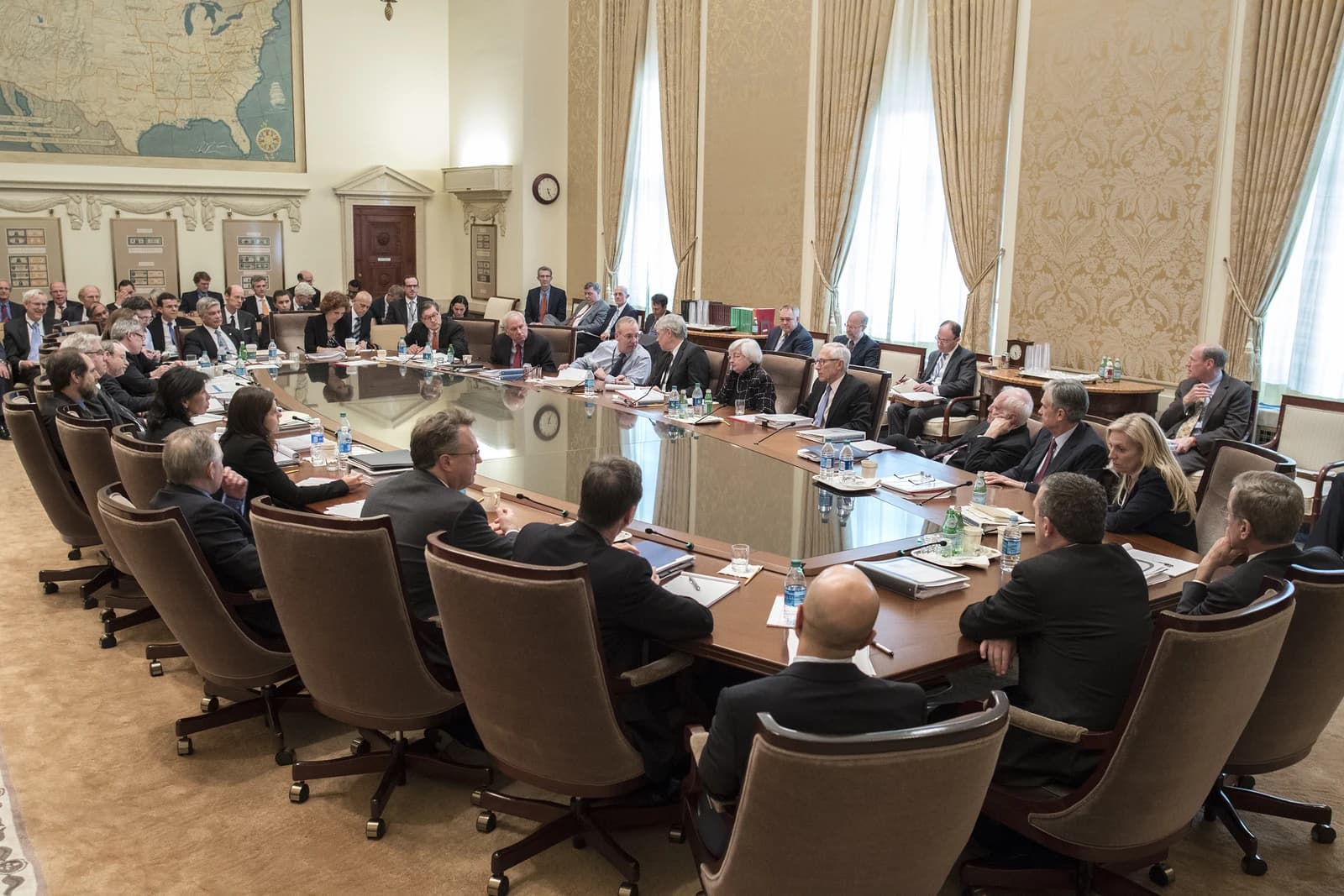
That makes the upcoming Fed meeting unusually important for Bitcoin. Higher oil prices have revived inflation worries, and if rate expectations shift higher, risk assets tend to feel it first. Bitcoin has increasingly traded like a high-beta macro asset, not an isolated digital curiosity, and that means Treasury yields, liquidity expectations and the dollar still matter a great deal.
The longer-term case for Bitcoin has not changed just because one ETF session was ugly. A regulated ETF wrapper has made it easier for advisers, institutions and retirement platforms to access the asset, and that structural shift should continue to support adoption over time. But investors should resist the temptation to treat inflows as a straight line. Crypto remains a volatile market, and ETF demand can swing quickly when macro nerves rise.
For investors with a long time horizon, the right lesson is not to chase every burst of enthusiasm. It is to watch whether Bitcoin can keep the $80,000 area intact while ETF flows stabilize and the Fed gives risk assets a clearer signal. If both happen, the next leg higher could be far more durable. If not, this market may need more consolidation before the long-term bull case can reassert itself.
| Entity | Gains | Losses |
|---|---|---|
| Bitcoin bulls | ▲Support at $80,000 | ▼Momentum traders |
| Spot Bitcoin ETFs | ▲Mainstream access | ▼Short-term inflow chasers |
| Fed doves | ▲Easier risk appetite | ▼Inflation hawks |
| BlackRock, Fidelity, Ark | ▲Trading activity | ▼Recent buyers at the highs |