Crypto copy trading is no longer just about following the best trader — in 2026, the real edge is who can ring-fence risk, cap slippage and keep more of the payout after fees and profit splits.
Binance, Bitget, BloFin Compare Copy Trading Risk
That matters because leverage is still the engine of the crypto futures market, and in a volatile tape it can turn a copied winning trade into a balance-sheet problem if margin is not isolated properly. The comparison across Binance, Bitget, BloFin, Bybit and OKX shows the market is moving toward tighter account segregation and more explicit execution controls, a shift that should matter both to retail followers and to the exchanges competing for their capital.
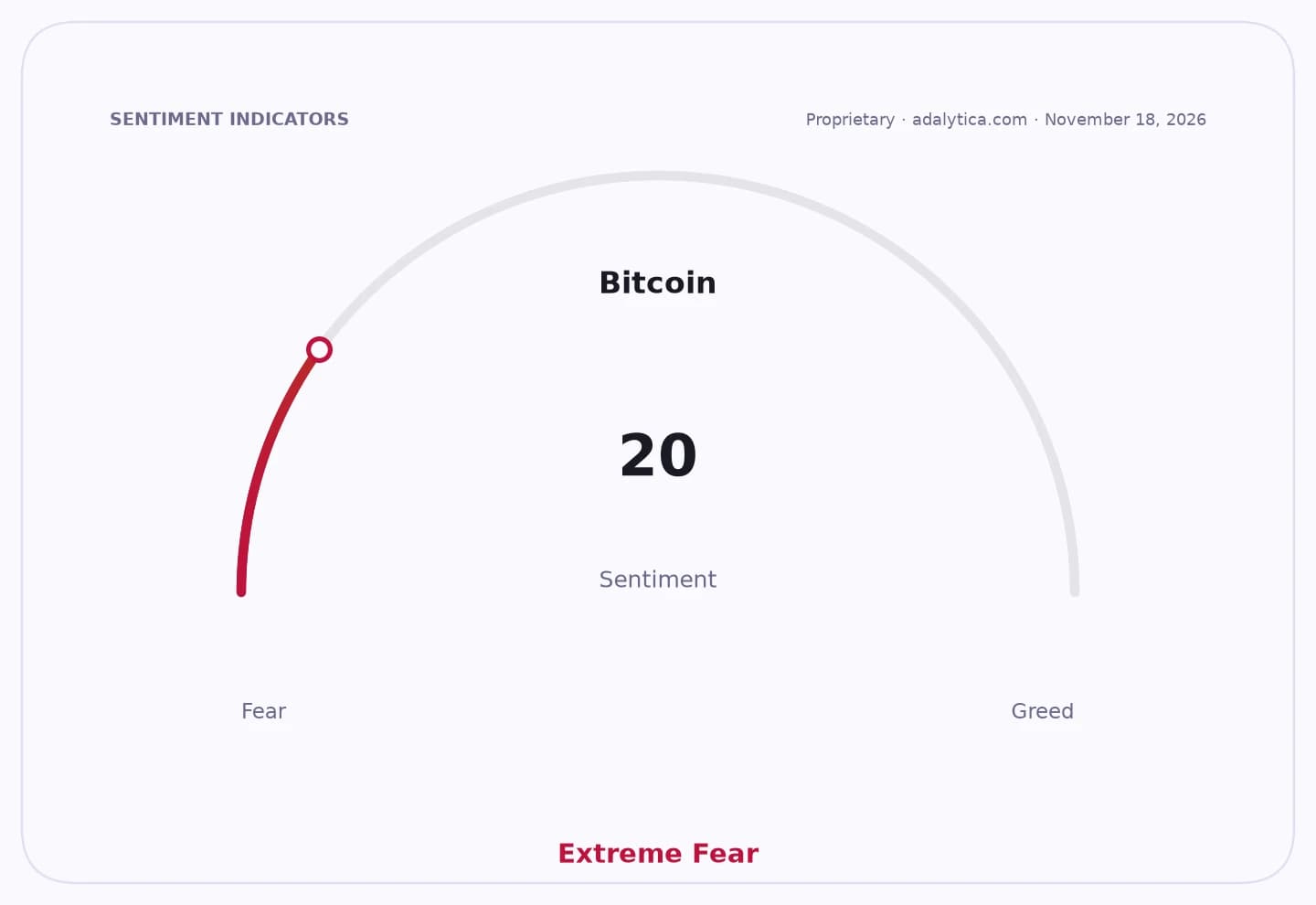
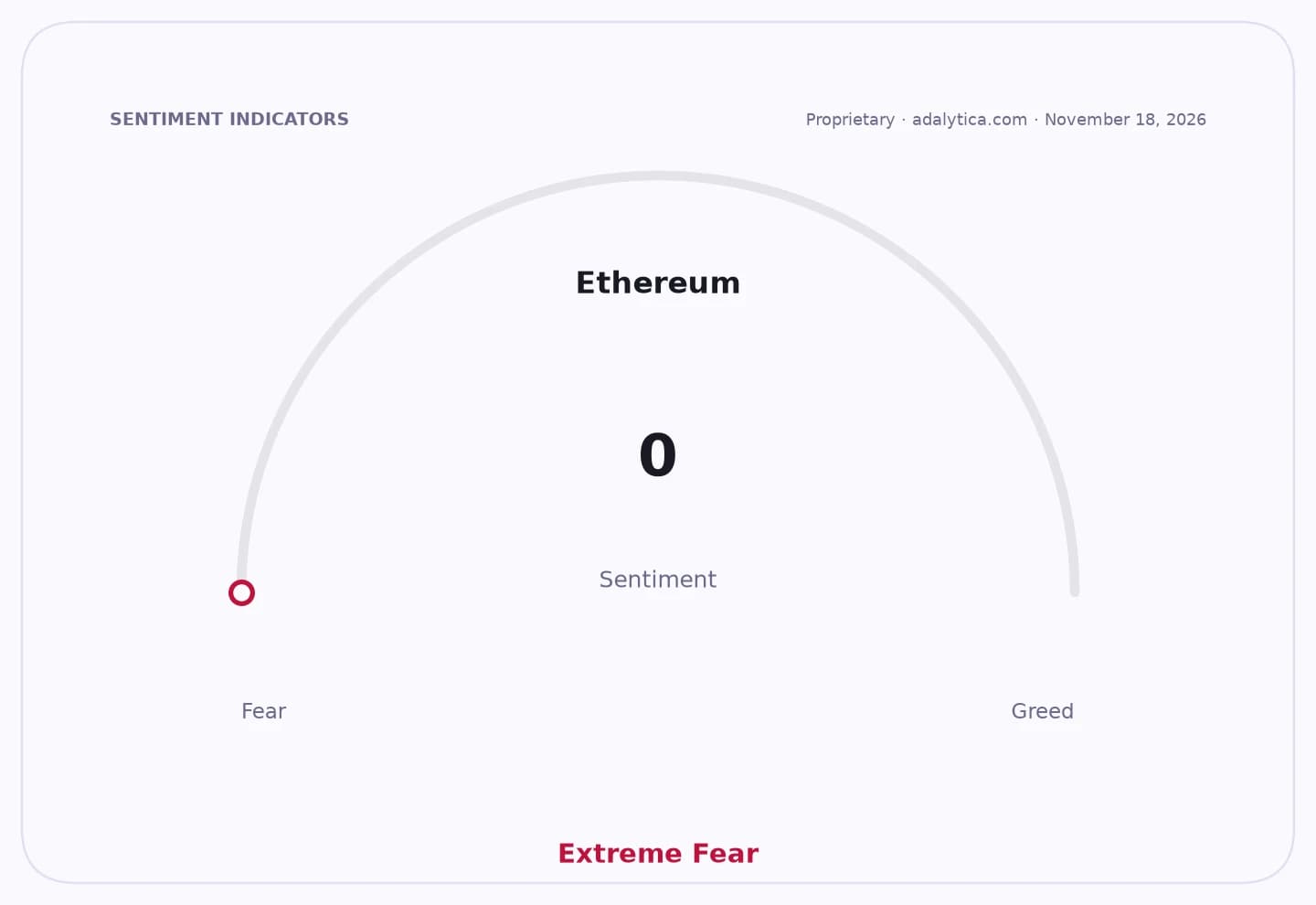
Sentiment Indicators
Binance comes out ahead for users prioritizing portfolio-level separation and lower frictions on size. It allows copy allocations from 10 USDT, supports isolated margin, and pairs 0.0200% maker and 0.0500% taker fees with a fixed copier leverage cap of 10x. Its Portfolio Stop Loss adds another layer of protection. Bitget is close behind on compartmentalization, using separate sub-accounts for each followed trader and offering up to 150x BTCUSDT perpetual leverage, though its 0.0600% taker rate and daily High Water Mark settlement cut into economics.
BloFin stands out for combining a segregated Copy Trading Account with 150x leverage and trader analytics based on Sharpe, Sortino and Calmar ratios. That makes it a more risk-aware venue than a simple leaderboard casino, even if its 100 USDT minimum and regular 0.0600% taker fee are not the cheapest in the group. Bybit’s Unified Trading Account offers multi-asset collateral, but that pooled design is a trade-off for followers who want hard isolation. OKX, meanwhile, is strongest on fund locking and flexible modes, but its 100x leverage ceiling and 8% to 13% profit split leave less upside in the follower’s pocket.
The economics are straightforward: fees and payout splits matter as much as signal quality. On a worked $10,000 BTCUSDT perpetual copy trade that earns 200 USDT gross, the follower keeps 171 USDT net on Binance and OKX at a 10% profit split, versus 170.10 USDT on Bybit and 169.20 USDT on Bitget and BloFin at regular fees. At the top end of the split schedule, the gap widens quickly: Binance’s 30% Elite Trader cut leaves just 133 USDT, while OKX’s 13% cap leaves 165.30 USDT and Bybit Classic’s 15% split leaves 160.65 USDT.
That is why the market’s next battleground is not just who has the biggest leaderboard — it is who can deliver the best all-in take-home after spreads, funding, leverage limits and performance fees. For active followers, the best setup is no longer maximum leverage; it is isolated capital, tight slippage guards and a profit-share schedule that does not eat the trade alive.
The broader backdrop is also turning more defensive. Bitcoin sentiment on Adalytica.com is neutral at 40, while the S&P 500 sits in extreme greed at 91 and the U.S. dollar is flashing extreme greed at 94, a combination that suggests risk appetite is uneven and capital is still demanding protection. In that environment, platforms that can keep copy funds isolated and execution disciplined should gain share, especially if volatility stays elevated.
For investors, the investable message is that the winners in crypto copy trading are likely to be the exchanges with the best risk plumbing, not the loudest marketing. Binance, Bitget and BloFin look best positioned to attract cautious leverage users, while Bybit and OKX will need to lean harder on product breadth to offset their weaker economics for followers. The asymmetric opportunity sits with platforms that can turn volatility into sticky fee revenue without exposing users to catastrophic cross-margin blowups.
| Entity | Gains | Losses |
|---|---|---|
| Binance | ▲Isolated portfolios, lower all-in drag | ▼Higher elite trader cuts |
| Bitget | ▲Sub-account ring-fencing, 150x leverage | ▼Higher taker fees |
| BloFin | ▲Risk analytics, segregated copy account | ▼Higher entry minimum |
| Bybit | ▲Unified collateral, product breadth | ▼Weaker isolation economics |
| OKX | ▲Smart Sync fund locking, flexible modes | ▼Lower leverage ceiling |