BHP’s move to sue a union at its Spence copper mine over what it called illegal stoppages underscores a bigger risk for investors: even short work disruptions in Chile can tighten a copper market that is already running hot.
BHP Sues Union Over Spence Copper Mine Stoppages
Copper prices have been supported by repeated labor flashpoints in the world’s top producing country, where unions and miners have been locked in tense negotiations and strike threats have repeatedly jolted the market. That matters because copper is the backbone metal for electrification, data centers and grid buildout, so any supply hiccup can quickly ripple through industrial users, miners and the broader inflation picture.
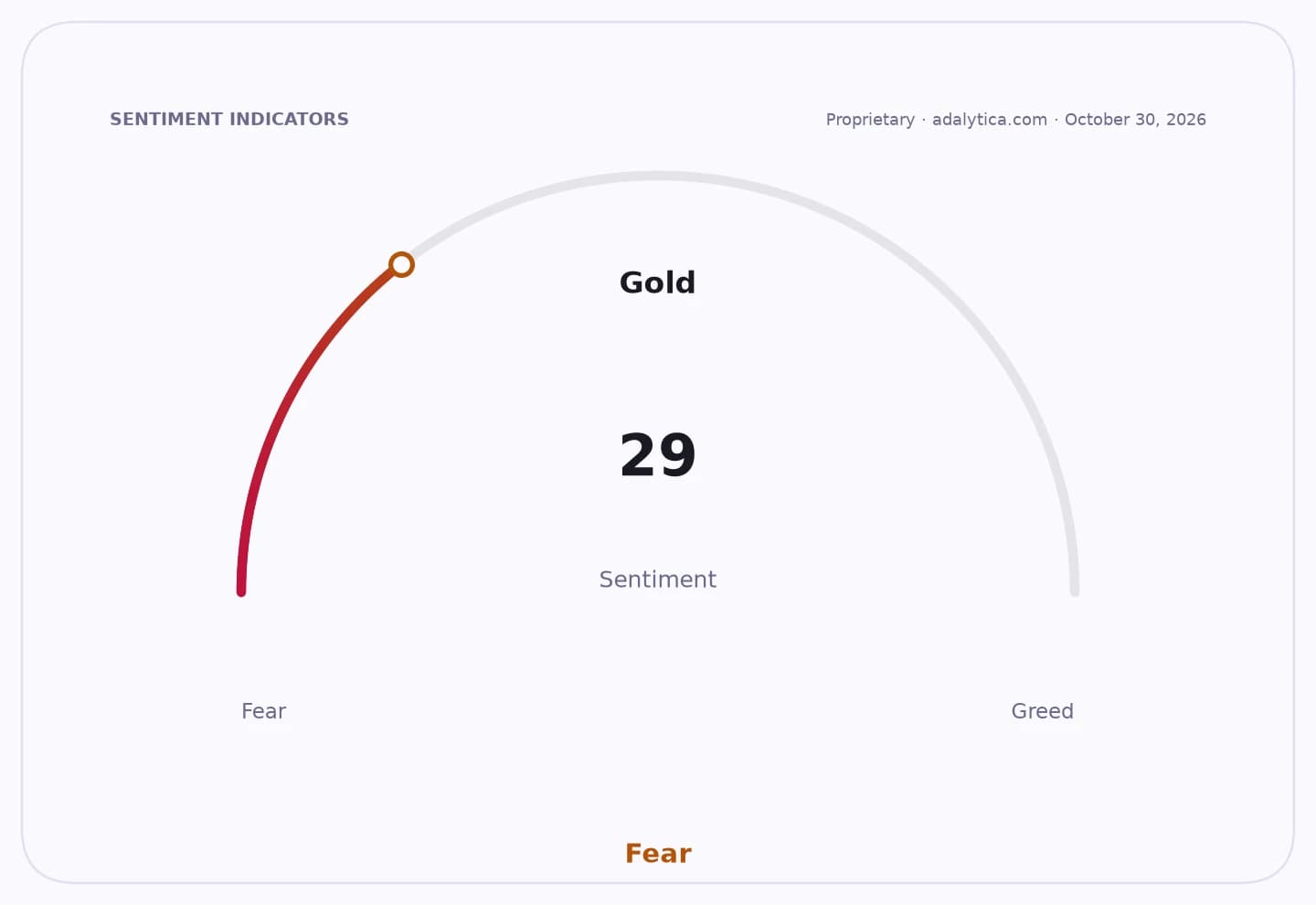
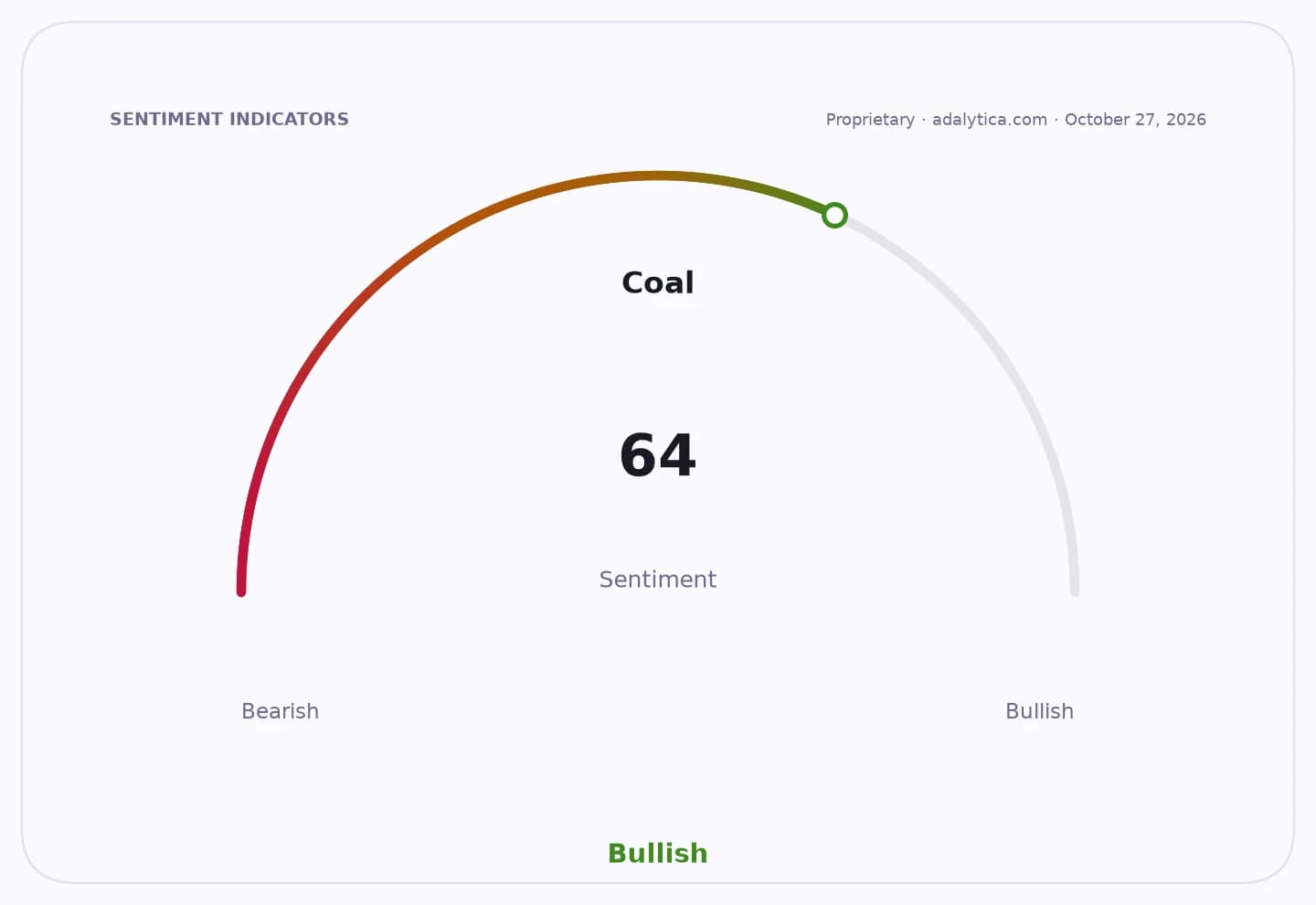
Sentiment Indicators
The immediate market read is straightforward. Higher copper prices tend to bolster earnings for producers such as BHP, Southern Copper and Freeport-McMoRan, but they also raise costs for manufacturers, builders and utilities that rely on the metal. When labor unrest threatens output at a mine as important as Spence, traders tend to price in tighter supply even before production is actually interrupted, which can keep the market volatile and support margins for the biggest miners.
The stock market has already shown how sensitive copper names are to this backdrop. Shares of major producers have been bid up and then pulled back sharply as prices and headlines swing, reflecting a market that likes the long-term copper story but is still wary of operational disruption. BHP’s legal fight suggests management is trying to defend production discipline and signal that it will not tolerate unauthorized stoppages, a stance that may help near-term output but could also prolong tension with labor.
For long-term investors, the important point is that copper remains one of the most compelling secular commodities tied to the energy transition. Electric vehicles, renewable power and AI-linked infrastructure all need more copper, not less. That is why labor disputes in Chile matter far beyond one mine: they expose how fragile supply can be in a market with powerful demand drivers.
The key question now is whether BHP can restore normal operations at Spence without a broader escalation. If talks stabilize, the episode may fade into another short-lived copper scare. If not, investors should expect more price spikes, more margin pressure for copper consumers and continued support for the miners that can keep producing.
| Entity | Gains | Losses |
|---|---|---|
| BHP shareholders | ▲Higher copper prices | ▼Production disruption risk |
| Copper miners | ▲Stronger pricing power | ▼Labor unrest and legal costs |
| Industrial copper users | ▲— | ▼Higher input costs |
| Union members | ▲— | ▼Legal pressure and bargaining risk |