Belarus plans to raise social spending by 11% to 12% in its 2027 budget, underscoring a political priority to protect household incomes and public-sector wages even as the country stays under Western sanctions and faces regional security risks.
Belarus 2027 Budget Lifts Social Spending 11%-12%
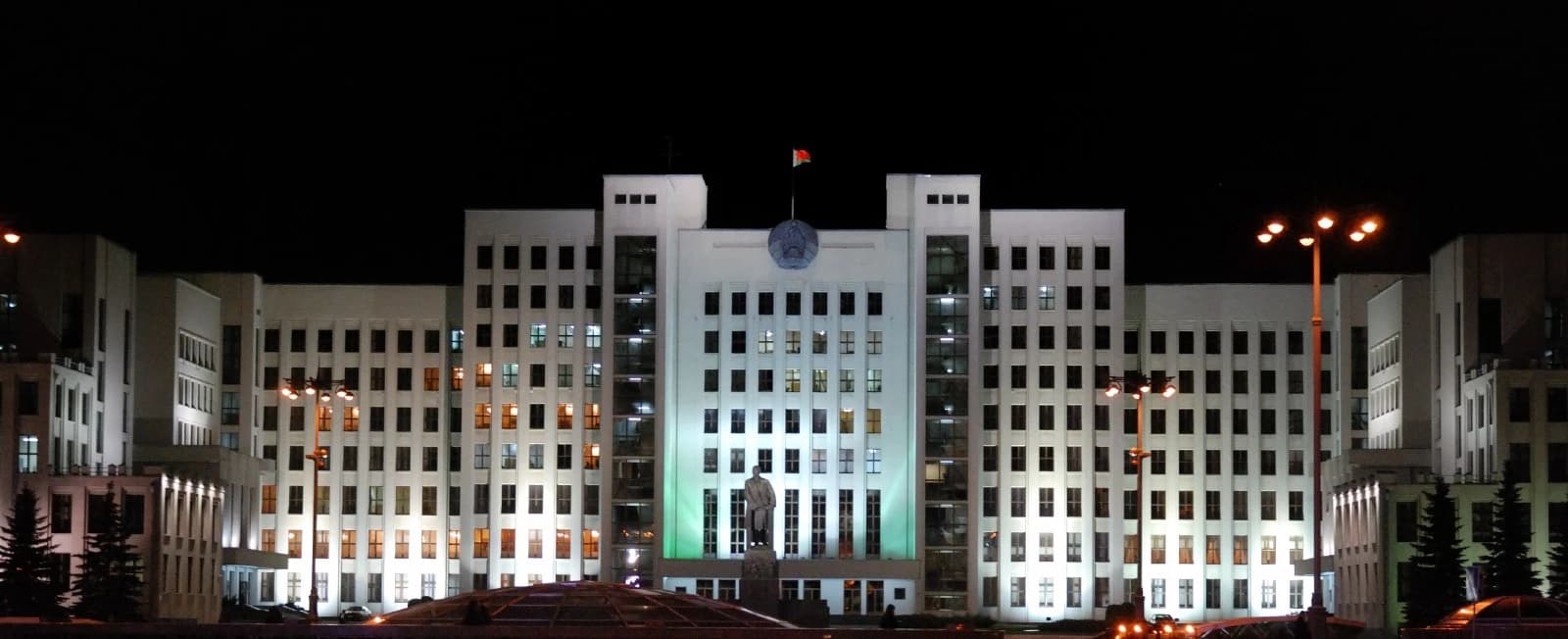
The spending increase matters because in Belarus, social outlays are not just a policy choice but a core tool for preserving domestic stability. The draft budget, presented by parliament budget committee chairman Vasily Panasyuk, keeps the state focused on wages for budget workers, support for large families, housing construction, hospitals, schools and kindergartens, while also adding money for road repairs and scientific and innovative activity.
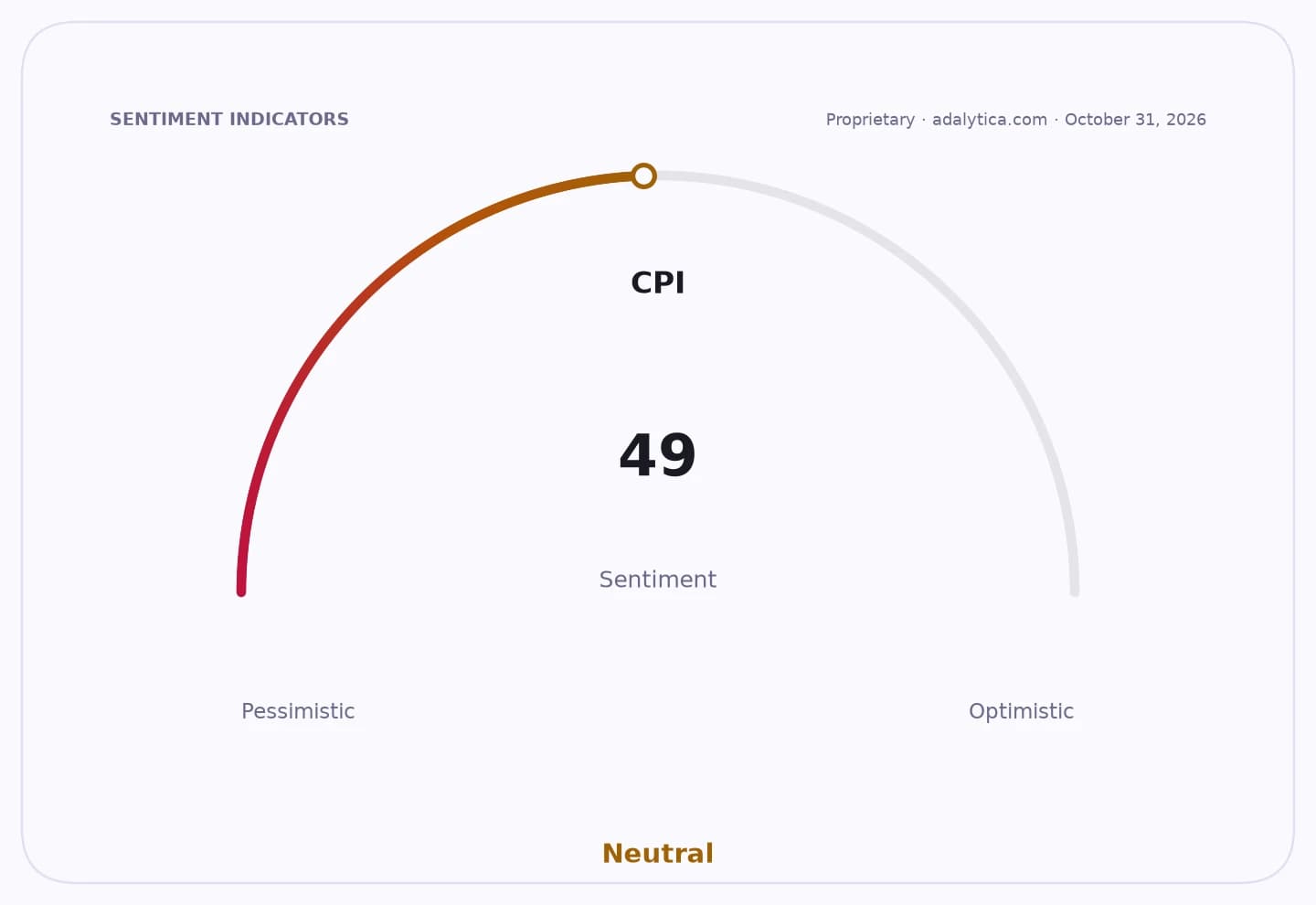
Sentiment Indicators
That approach suggests Minsk is trying to balance two pressures at once: maintain the social contract that has long anchored the economy, and do it without loosening fiscal discipline. Panasyuk said the 2027 budget is being formed with a deficit, but one that is smaller than the expected gap in the current year, helped by what he called a stronger economy and a broader tax base. He added that the budget is aligned with GDP growth, investment, real disposable incomes and service exports, indicating officials are betting on a moderate expansion rather than a crisis-driven austerity plan.
The budget also shows where the state expects to find support for revenue. Agricultural spending is set to rise by more than 21% on a targeted basis, including more money for mineral fertilizers, as Belarus leans harder on food exports to contribute to the budget. Panasyuk said returns from agriculture now rival the contribution once generated by oil refining a decade ago, a notable signal of how sanctions have pushed the economy toward a different set of pillars. In the revenue mix, industry and farming remain central, while taxes denominated in Belarusian rubles are being updated for inflation and excise rates adjusted under international agreements.
For investors, the message is less about near-term market opportunity than about the durability of Belarus’s state-led model. Higher social spending can support consumption and limit pressure on labor markets, but it also constrains fiscal flexibility at a time when sanctions reduce external financing options and raise the cost of policy mistakes. A conservative budget may reassure domestic constituencies, yet it leaves the economy more dependent on state-directed growth, agriculture and exports tied to a narrow set of partners.
The contrast with Europe in the Russian-language briefing is politically useful for Minsk, but economically the key issue is sustainability. If growth holds and tax receipts improve, Belarus can keep funding wages and welfare commitments. If sanctions bite harder or regional tensions disrupt trade, the room to preserve that model narrows quickly. For now, the 2027 budget reads as a deliberate attempt to buy social stability with targeted spending, while keeping the deficit from widening further.
| Entity | Gains | Losses |
|---|---|---|
| Belarusian households | ▲Higher social support | ▼— |
| Public-sector workers | ▲Wage increases | ▼— |
| Belarus government | ▲Short-term stability | ▼Fiscal flexibility |
| Western creditors/sanctions policy | ▲— | ▼Limited leverage |