Many Bavarians are wary of artificial intelligence, a sign that public acceptance may become a bigger constraint on adoption than the technology itself.
Bavaria survey finds skepticism about AI adoption
Artificial Intelligence
A survey commissioned by the Bavarian cooperative association found 38% of respondents expect AI to make life worse in the coming years, compared with 27% who see an improvement and 35% who are undecided. That matters because AI is moving from lab demos into everyday services, and without broad trust, businesses and policymakers may struggle to turn model advances into productivity gains, new revenue streams and political support for deployment.
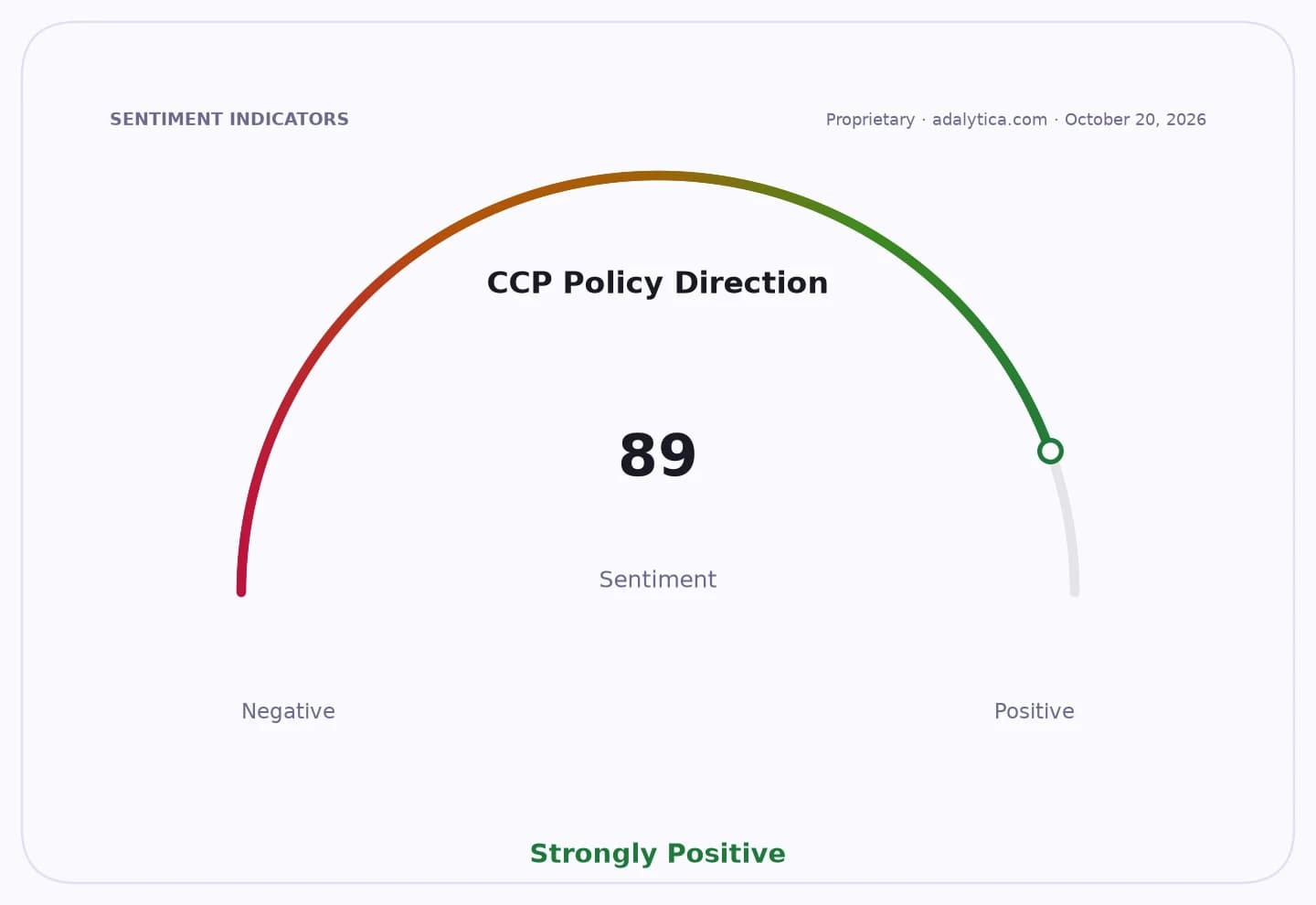
Sentiment Indicators
The Civey poll of more than 3,000 people in Bavaria suggests the debate in Germany’s richest state is not just about performance or cost, but legitimacy. Only about 9% of respondents saw a clear improvement from AI, while roughly 18% expected somewhat positive effects. On the negative side, about 21% anticipated somewhat worse outcomes and 17% a clearly negative one. The results point to a cautious public mood at a moment when companies across Europe are pushing AI deeper into customer service, administration, manufacturing and finance.
For investors, that kind of skepticism can slow the monetization curve. Demand may still be strong for the infrastructure layer — chips, cloud and software tools — but adoption at the enterprise and consumer level depends on willingness to use, pay for and trust AI-enabled products. If users remain unconvinced, firms may face longer sales cycles, higher compliance costs and pressure to justify heavy investment in compute, model development and integration.
The finding also lands in a broader European policy context. The Bavarian association’s chairman, Stefan Müller, argued that Germany cannot afford to be a bystander in one of the decade’s defining technologies, but he also said AI’s promise will only be realized if people trust it. That echoes a central challenge for governments in Europe: how to encourage innovation without triggering backlash over data use, job losses, misinformation and accountability.
A separate measure of life satisfaction in Bavaria, the “Heimatindex,” slipped by one point to 64 but remained relatively high, suggesting the AI caution is not part of a broader collapse in confidence. Instead, it looks more like a targeted warning that technology adoption will need convincing public benefits, not just technical capability.
That leaves both companies and policymakers with a familiar but critical task: proving AI can be deployed safely, transparently and usefully enough to overcome skepticism. If they fail, Europe risks slower adoption and weaker competitiveness; if they succeed, the region could still capture the productivity gains while setting the rules of the road.
| Entity | Gains | Losses |
|---|---|---|
| AI vendors | ▲Faster adoption if trust improves | ▼Slower monetization if skepticism persists |
| Bavarian consumers | ▲More protection and scrutiny | ▼Fewer immediate AI benefits |
| Policymakers | ▲Chance to shape guardrails | ▼Pressure to justify regulation |
| Cooperatives/businesses | ▲Potential productivity gains | ▼Higher compliance and persuasion costs |